Can the viscosity of SILICONE RESIN be adjusted? How to adjust it? - Silicone Resin Factory&supplier
Silicone Resin Factory&supplier
Silicone Resin
Information Center
Everything you need to know about our products and company
How to Modify Silicone Resin Viscosity: Practical Techniques for Industrial Applications
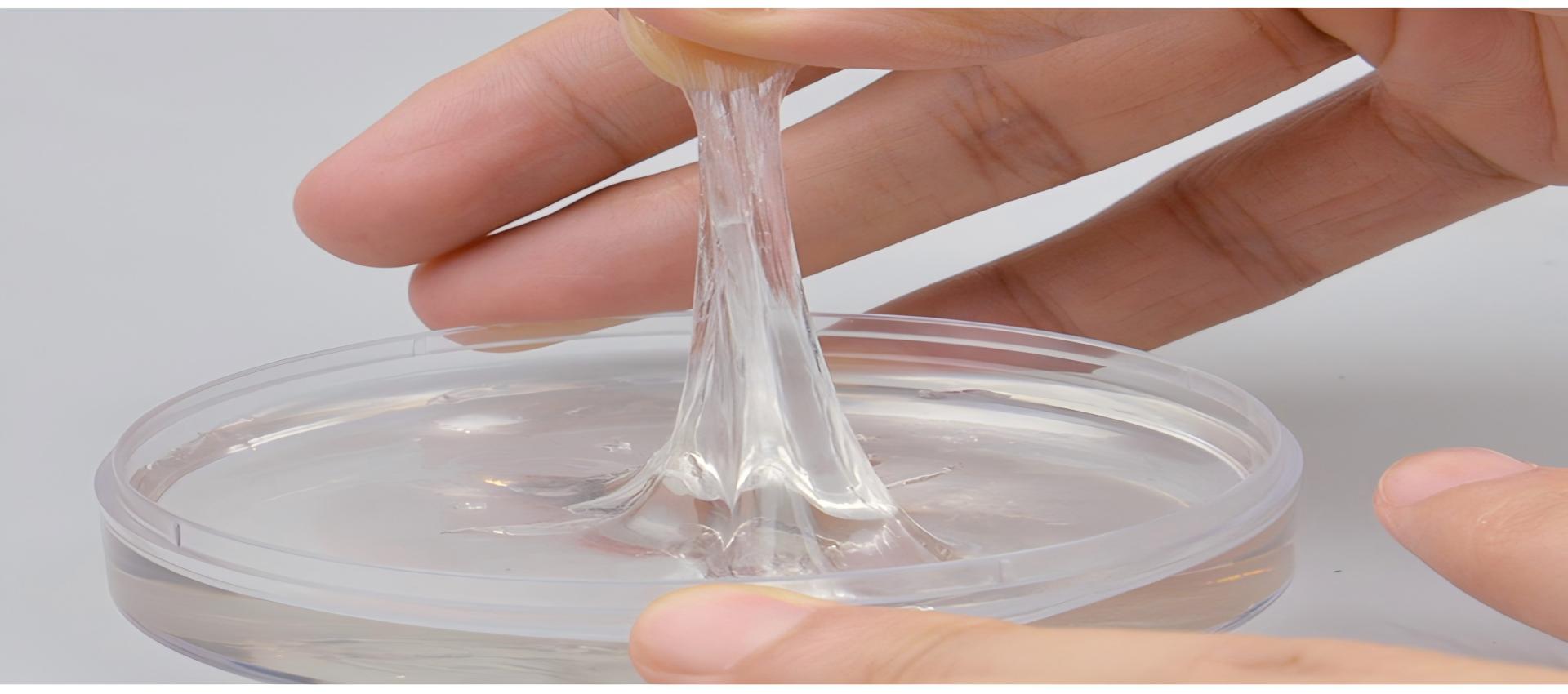
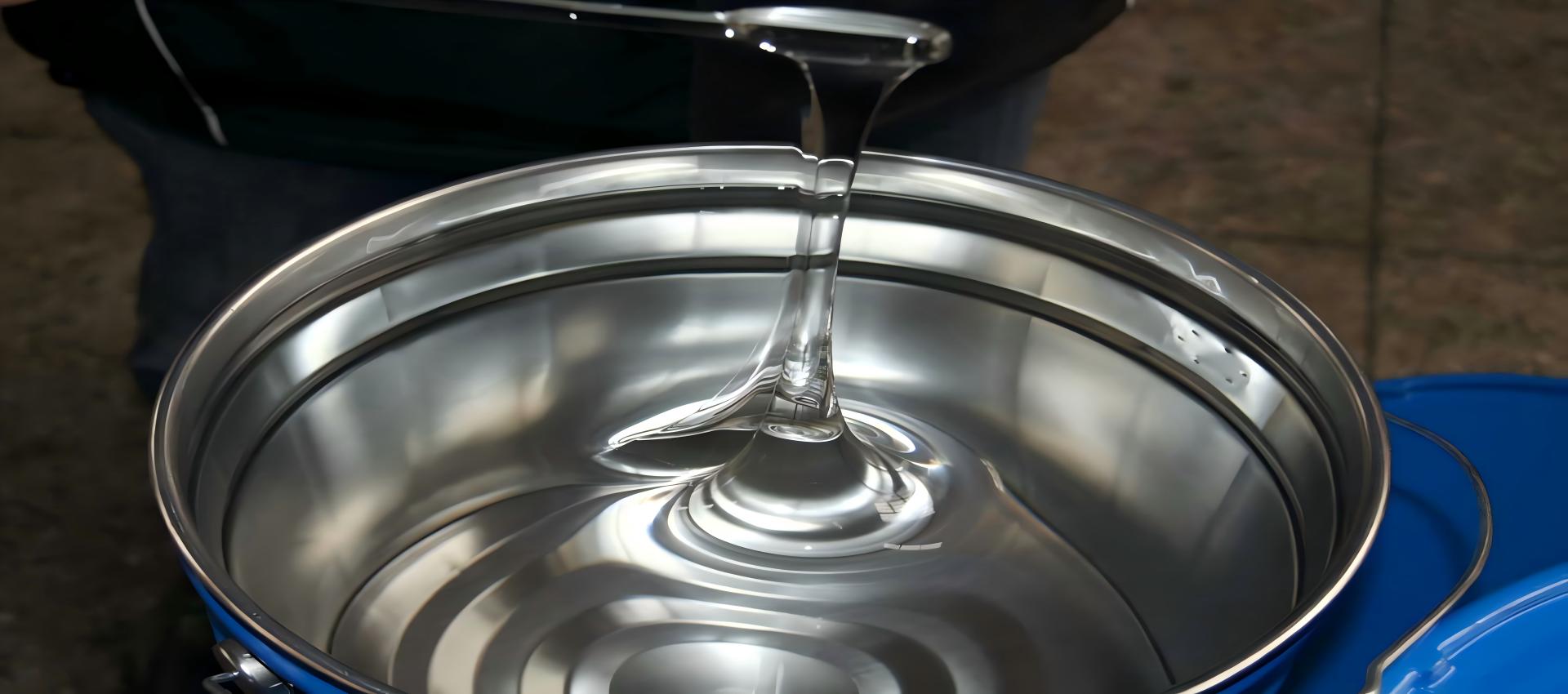
Silicone resin viscosity is a critical parameter that directly impacts its performance in applications ranging from coatings to adhesives. Whether you need a thinner formulation for spray applications or a thicker consistency for structural bonding, adjusting viscosity is achievable through targeted adjustments. Below, we explore actionable methods to optimize silicone resin viscosity while maintaining functional integrity.
1. Adjust Molecular Weight and Base Composition
The molecular weight of the silicone base directly influences viscosity. Higher molecular weight polymers exhibit greater entanglement, leading to higher viscosity. For instance, Biyuan’s SilibaseSR-0944 silicone resin leverages a branched molecular structure to achieve a balanced viscosity of 5,000–8,000 cP at 25°C, making it ideal for high-temperature coatings and electrical insulation .
Optimization Tip: Select a base resin with tailored molecular weight. For low-viscosity needs (e.g., electronics potting), opt for low-MW bases like SilibaseVSR-0274 (6,500–7,500 cP). For high-fluidity applications, consider dilution with silicone oils (e.g., dimethyl silicone oil ≤10% by weight) .
2. Control Filler Content and Type
Fillers such as silica or calcium carbonate enhance mechanical properties but increase viscosity.
High-Viscosity Applications: Use precipitated silica to boost tear strength and dimensional stability. For example, pad-printing silicones with 30% silica achieve viscosity stability during curing .
Low-Viscosity Solutions: Replace inert fillers with lightweight alternatives like fumed silica in small quantities (<5%) to minimize flow resistance without sacrificing strength .
3. Utilize Diluents and Plasticizers
Diluents are essential for fine-tuning viscosity without compromising curing performance.
Solvent-Based Systems: Add toluene or xylene (1:1 to 1:1.5 dilution ratio) to SilibaseSR-0944 for flexible viscosity adjustment in coating applications .
Solvent-Free Options: For eco-friendly formulations, use low-viscosity vinyl silicone oil (e.g., SilibaseVSR-0274) to reduce viscosity while preserving thermal stability .
4. Optimize Crosslinking Density
Crosslinking agents like hydrogenated silicone oil (addition-type) or organotin catalysts (condensation-type) regulate viscosity during curing.
Addition-Type Silicones: Increase hydrogen content in hydrosilicone oil to enhance crosslink density, raising hardness and reducing fluidity. For example, a 2% hydrogen boost reduces hardness by 1 Shore A while lowering viscosity .
Curing Temperature: Heat curing (120–150°C) accelerates crosslinking, temporarily lowering viscosity for easier application before solidification .
5. Process Adjustments for On-Demand Viscosity
Processing methods play a pivotal role in achieving target viscosity:
Shear Thinning: Utilize high-shear mixing (e.g., internal mixers) to temporarily reduce viscosity during dispersion. Post-mixing, viscosity returns to baseline, ensuring stable potting or molding .
Temperature Control: Warm silicone resins to 30–50°C to decrease viscosity by 30–50%, ideal for screen printing or spray applications. Cool to 10–20°C for thicker pastes .
Biyuan’s Viscosity Solutions: Built for Industry Demands
Biyuan’s silicone resin portfolio addresses diverse viscosity needs with precision:
SilibaseSRK-0894: A low-viscosity epoxy-modified polysiloxane (150–600 cP) for corrosion-resistant coatings, offering room-temperature curing and <100 g/L VOC compliance .
SilibaseCA-0944 Catalyst: A tailored additive for SilibaseSR-0944, enabling viscosity modulation during curing while maintaining thermal stability up to 250°C .
For high-performance applications like aerospace adhesives or medical devices, Biyuan’s formulations ensure consistent viscosity across production batches, reducing waste and rework costs.
Why Partner with Biyuan?
Custom Formulations: Adjust viscosity using Biyuan’s modular systems (bases, catalysts, diluents).
Global Compliance: Products meet ASTM C920, ISO 11600, and REACH standards.
Cost Efficiency: Optimized viscosity minimizes material usage and energy consumption.
Elevate your product’s durability and process efficiency with Biyuan’s silicone resin solutions—engineered for adaptability, reliability, and long-term performance.
For detailed technical specifications or sample requests, explore Biyuan’s product catalog or consult their engineering team.
The Repair Principle of Self-Healing Silicone Resin: Mechanisms and Industrial Applications
An Innovation in Material Science
Self-healing silicone resin represents a groundbreaking advancement in polymer technology, offering unprecedented durability and longevity for industrial applications. Unlike conventional silicones that remain permanently da.
How Anti-Graffiti Silicone Resin Coatings Achieve Easy-to-Clean Functions
In an era where urban maintenance costs continue to rise and vandalism poses significant challenges to public and private properties, anti-graffiti silicone resin coatings have emerged as a technologically advanced solution. These specialized coatings combine unique chemical pr.
Transparent Silicone Resin: Revolutionizing Optical Applications
Transparent silicone resin has emerged as a game-changing material in the optical industry, combining exceptional clarity, durability, and versatility. Its unique properties make it indispensable across diverse sectors, from consumer electronics to advanced medical devices. Below, we expl.
In the competitive leather manufacturing industry, the final texture of leather products often determines their market success. Silicone resin has emerged as a revolutionary treatment solution that significantly enhances various leather textures while adding functional benefits. This advanced material transforms ordinary leather into high-performance produ.
Understanding Methylphenyl Silicone Resin vs. Pure Methyl Silicone Resin: Key Differences and Applications
When selecting the right silicone resin for industrial or commercial projects, understanding the nuances between methylphenyl silicone resin and pure methyl silicone resin is critical. Both types offer unique advantages depending on performanc.
How Silicone Resin Transforms Wig Performance and Durability
In the competitive world of wig manufacturing, silicone resin has emerged as a game-changing ingredient that significantly enhances hair strand properties. This advanced material delivers exceptional performance benefits that elevate wig quality, durability, and realism. For wig producers se.
Key Applications of Antistatic Silicone Resin: A Comprehensive Guide
Antistatic silicone resin has emerged as a critical material in industries requiring precise control over electrostatic discharge (ESD). Its unique properties—such as high electrical resistivity, thermal stability, and environmental resistance—make it indispensable across diverse sect.
Silicone resin has become a fundamental ingredient in cosmetic formulations worldwide, yet confusion persists about its effects on skin health, particularly regarding pore clogging. Understanding the science behind this versatile material reveals a more nuanced reality that combines performance with skin safety.
What is Silicone Resin and Why is it Used.
In the rapidly evolving solar energy sector, photovoltaic (PV) module manufacturers face increasing demands for higher efficiency, extended durability, and enhanced reliability of solar panels. The performance of PV modules is heavily influenced by the materials used in their construction, particularly those that provide protection against environmental st.
Understanding UV-Curable Silicone Resin Curing Times: Key Factors and Applications
UV-curable silicone resin has revolutionized industries requiring rapid bonding and high-performance materials. Unlike traditional curing methods, UV curing offers speed and precision, but the exact timelines depend on multiple variables. Here’s a detailed breakdown of w.
Key Parameters Controlled in SILICONE RESIN Production for Optimal Performance
Introduction to Silicone Resin Manufacturing
Silicone resin represents a category of high-performance polymers characterized by their unique silicon-oxygen (Si-O) backbone and organic side groups. This hybrid structure delivers exceptional thermal stability, weather resist.
How Marine Silicone Resin Coatings Defend Against Seawater Erosion
In the harsh environment of marine ecosystems, seawater erosion poses a constant threat to infrastructure, equipment, and operational efficiency. Marine silicone resin coatings have emerged as a cutting-edge solution to combat this challenge, offering unparalleled protection and durabil.
The photovoltaic (PV) industry stands at the forefront of the global transition to renewable energy, with solar modules serving as the fundamental building blocks of this transformation. As the demand for higher efficiency, longer lifespan, and greater reliability in solar panels intensifies, manufacturers face increasing pressure to adopt advanced materia.
In industries where durability, weather resistance, and long-term reliability are non-negotiable, the choice of raw materials becomes the cornerstone of product success. For formulators, manufacturers, and engineers working in fields as diverse as electronics, construction, automotive, and renewable energy, selecting the right protective base material can .
Water Absorption of Silicone Resin: Effects on Insulation Performance
Understanding Silicone Resin’s Hydrophobic Properties
Silicone resin stands out in the polymer family for its exceptional water resistance and inherent hydrophobic characteristics. The unique molecular structure of silicone resin—featuring a silicon-oxygen (Si-O) backbone .
Applications and Best Practices for Silicone Resin in 3D Printing
Silicone resin has emerged as a groundbreaking material in additive manufacturing, offering unique properties that redefine possibilities across industries. Its biocompatibility, flexibility, and thermal stability make it a standout choice for applications ranging from medical devices to.
Enhanced Performance of Modified Silicone Resins: Key Innovations and Applications
The evolution of silicone resins has revolutionized industrial material science, with epoxy-modified variants leading the charge in delivering unparalleled performance. These advanced materials combine the inherent strengths of silicone—such as thermal stability and weat.
The Safety of SILICONE RESIN in Non-Stick Pan Coatings: A Comprehensive Analysis
In the world of cookware, non-stick pans have become indispensable for health-conscious consumers and professional chefs alike. Among the various coating technologies available, silicone resin has emerged as a leading material that combines exceptional non-stick properties .
Silicone resin is celebrated for its exceptional heat resistance, flexibility, and chemical stability, making it a cornerstone material in industries ranging from electronics to construction. But one question often arises: How compatible is silicone resin with other resins?The answer lies in understanding its chemical structure, modification possibilities,.
Marine engineering demands innovative solutions to combat biofouling—a persistent challenge that increases operational costs, reduces efficiency, and threatens ecosystems. Silicone resin has emerged as a game-changing material in this field, offering eco-friendly, durable, and high-performance coatings. Below, we explore its transformative applications and.
Innovative Transparent Silicone Resin: Transforming the Landscape of Optical Device Manufacturing
In the fast-evolving world of optical technology, the demand for high-performance materials that balance clarity, durability, and adaptability has never been greater. At the heart of this revolution lies transparent silicone resin—a material quietly reshap.
The Growing Role of UV-Curable Silicone Resins in Eco-Friendly Coating Innovations
As global demand for sustainable materials surges, industries are rethinking traditional coating systems to reduce environmental impact without compromising performance. Enter UV-curable silicone resins—a game-changer in the shift toward greener solutions. These advanced.
High-Temperature Challenges in Aerospace Engineering: Why Silicone Resin is Redefining Performance
In the relentless pursuit of pushing aerospace boundaries—whether for hypersonic flight, deep-space exploration, or next-gen jet engines—materials are the unsung heroes. Among these, high-temperature resistant silicone resin has emerged as a critical innov.
How Silicone Resin is Revolutionizing the Electronics Manufacturing Sector
The electronics manufacturing industry is undergoing a transformative shift, driven by the demand for smaller, faster, and more durable devices. At the heart of this innovation lies silicone resin—a material that has transcended its traditional applications to become a cornerst.
Silicone Resin: The Invisible Workhorse Powering Modern Industrial Innovation
In today’s fast-paced industrial landscape, materials that balance durability, adaptability, and performance are rare gems. Enter silicone resin—a synthetic polymer with a unique molecular structure that makes it indispensable across sectors ranging from electronics to health.
3D Printing with Silicone Resin: Unlocking a New Era of Agile Manufacturing
Silicone resin has emerged as a transformative material in additive manufacturing, bridging the gap between traditional silicone properties and the design freedom of 3D printing. Unlike conventional methods reliant on molds, 3D-printed silicone enables rapid prototyping, comple.
Executive Summary
Silicone resin technology is revolutionizing lithium-ion battery performance, offering unprecedented improvements in energy density, cycle life, and safety. As the global demand for high-performance energy storage solutions accelerates, silicone resins have emerged as a critical enabler for next-generation battery technologies. This co.
When talking about organosilicon materials, most people think of silicone sealing gaskets and silicone kitchenware. Nevertheless, methyl MQ silicone resin, another core organosilicon raw material, underpins numerous industries including pressure-sensitive adhesives, high-end coatings, electronic materials and cosmetic ingredients. Featuring distinctive mol.
Introduction
In the rapidly evolving electronics and advanced manufacturing sectors, anti-static silicone resinhas emerged as a critical material solution addressing both performance and safety concerns. This specialized polymer combines the exceptional thermal stability, chemical resistance, and electrical insulation properties of conventional silicone.
Introduction to Silicone Resin Technology in Wood Preservation
The utilization of silicone resins in wood protection represents a significant advancement in materials science, offering unprecedented durability for outdoor wooden structures. These sophisticated polymers create a protective barrier that shields wood from environmental degradation while ma.
Silicone resin curing represents a critical chemical transformation process where liquid or semi-solid silicone polymers undergo crosslinking reactions to form durable, heat-resistant, and electrically insulating materials. This comprehensive guide explores the fundamental curing mechanisms, advanced optimization techniques, and practical applications that.
Introduction
The field of advanced material science is witnessing a remarkable transformation driven by the innovative application of silicone resin microspheres. These specialized materials have emerged as a cornerstone technology across diverse industries, from aerospace and electronics to medical devices and renewable energy. Characterized by their .
Recently, the National Intellectual Property Administration of China has granted a patent entitled A Light-Moisture Dual-Curable Silicone Resin as well as Its Synthesis Method and Application. Publication No.: CN122427380A Application No.: CN202610903590.1 Publication Date: July 21, 2026 Filing Date: June 23, 2026 Inventors: Li Wanli, Wang Qingfu, Pan Sine.
Many people recognize the outstanding performance of silicone resins, yet few understand that the core factors governing their hardness, thermal resistance, curing speed and aging resistance lie in the microstructure of their internal siloxane backbone.
High-field ²⁹Si NMR (Nuclear Magnetic Resonance) serves as the “golden key” to decode the.
Silicone Pressure-Sensitive Adhesive (PSA) Industry
It represents one of the largest application scenarios for methyl MQ silicone resin. Incorporated into silicone pressure-sensitive adhesives, it enhances adhesion, cohesion and high-temperature thermal stability of adhesive layers. It applies to high-temperature tapes, PI tapes, medical adhesive tape.
Methyl vs. Phenyl Silicone Resin: A Technical Guide for Industrial Material Selection
In the world of high-performance industrial materials, silicone resins stand out for their exceptional thermal stability, electrical properties, and environmental resistance. Among these, methyl and phenyl silicone resins represent two of the most technologically signi.
Silicone resins have earned a prominent place in high-performance coatings due to their exceptional durability under environmental stress. Industries ranging from aerospace to construction rely on these materials for long-term protection against weathering. But what does the data actually say about their real-world performance? This analysis examines the w.
Epoxy and Acrylic Hybrid Silicone Resins: Advancing Material Performance
Introduction to Enhanced Silicone Resin Technology
The evolution of silicone resin technology through chemical modification represents a significant breakthrough in high-performance materials. By strategically blending epoxy and acrylic components with silicone backbone struct.
Executive Summary
Silicone resin represents a breakthrough technology in high-temperature ceramic bonding applications, offering unparalleled thermal stability and mechanical performance for industrial kilns and furnace systems. As a specialized polymer material, silicone resin combines the flexibility of organic polymers with the thermal resistance of .
Silicone Resin Solutions for Advanced Metal Protection
Introduction to Silicone Resin Technology in Metal Coatings
Silicone resins have emerged as transformative materialsin the realm of metal protection, offering unparalleled advantages in corrosion resistance and adhesion enhancement. These unique polymers combine an inorganic silicon-oxygen backbo.
Silicone resins transform release agent technology through their exceptional thermal stability and non-stick properties. These high-performance materials create durable, cross-linked release layers that prevent adhesion in demanding molding and casting applications.
The resins withstand temperatures exceeding 300°C while maintaining consistent release p.
Silicone resins deliver breakthrough performance in coating applications through their exceptional weather resistance and thermal stability. These advanced materials form durable, protective networks that maintain integrity under extreme environmental conditions, including prolonged UV exposure and temperatures ranging from -50°C to 300°C.
Meeting inter.
Silicone resins significantly enhance plastic and rubber products through their unique cross-linking capabilities and surface modification properties. These high-performance additives improve thermal stability, weather resistance, and processing characteristics across various polymer systems.
Meeting international industry standards, silicone resins off.
Silicone resins deliver exceptional thermal stability (up to 400°C) and mechanical strength to composite materials. These high-performance resins improve processing efficiency while enhancing electrical insulation and flame retardancy.
Compatible with organic and inorganic fillers, they ensure uniform distribution and strong interfacial adhesion. The re.
Contact Us
We're here to help with any questions or inquiries you may have
Contact Information
Address
No. 116, Jiangdong Street, Yiwu City, Jinhua City, Zhejiang Province,China