Silicone resins provide essential dielectric protection and thermal stability for electronic components. These materials offer reliable insulation (-50°C to 200°C operation) with low signal loss characteristics.
Featuring UL 94 V-0 flame resistance and superior moisture protection, they safeguard sensitive circuits in consumer and automotive application.
Silicone resins transform textile processing through enhanced durability and functionality. These advanced materials improve fabric softness, water repellency, and color fastness while maintaining breathability.
Thermally stable up to 300°C, the resins withstand high-temperature processing and provide long-lasting performance. They reduce energy consump.
Silicone resins deliver exceptional thermal stability (up to 400°C) and mechanical strength to composite materials. These high-performance resins improve processing efficiency while enhancing electrical insulation and flame retardancy.
Compatible with organic and inorganic fillers, they ensure uniform distribution and strong interfacial adhesion. The re.
Silicone resins significantly enhance plastic and rubber products through their unique cross-linking capabilities and surface modification properties. These high-performance additives improve thermal stability, weather resistance, and processing characteristics across various polymer systems.
Meeting international industry standards, silicone resins off.
Silicone resins deliver breakthrough performance in coating applications through their exceptional weather resistance and thermal stability. These advanced materials form durable, protective networks that maintain integrity under extreme environmental conditions, including prolonged UV exposure and temperatures ranging from -50°C to 300°C.
Meeting inter.
BiYuan Silicone Resin: Redefining Material Versatility
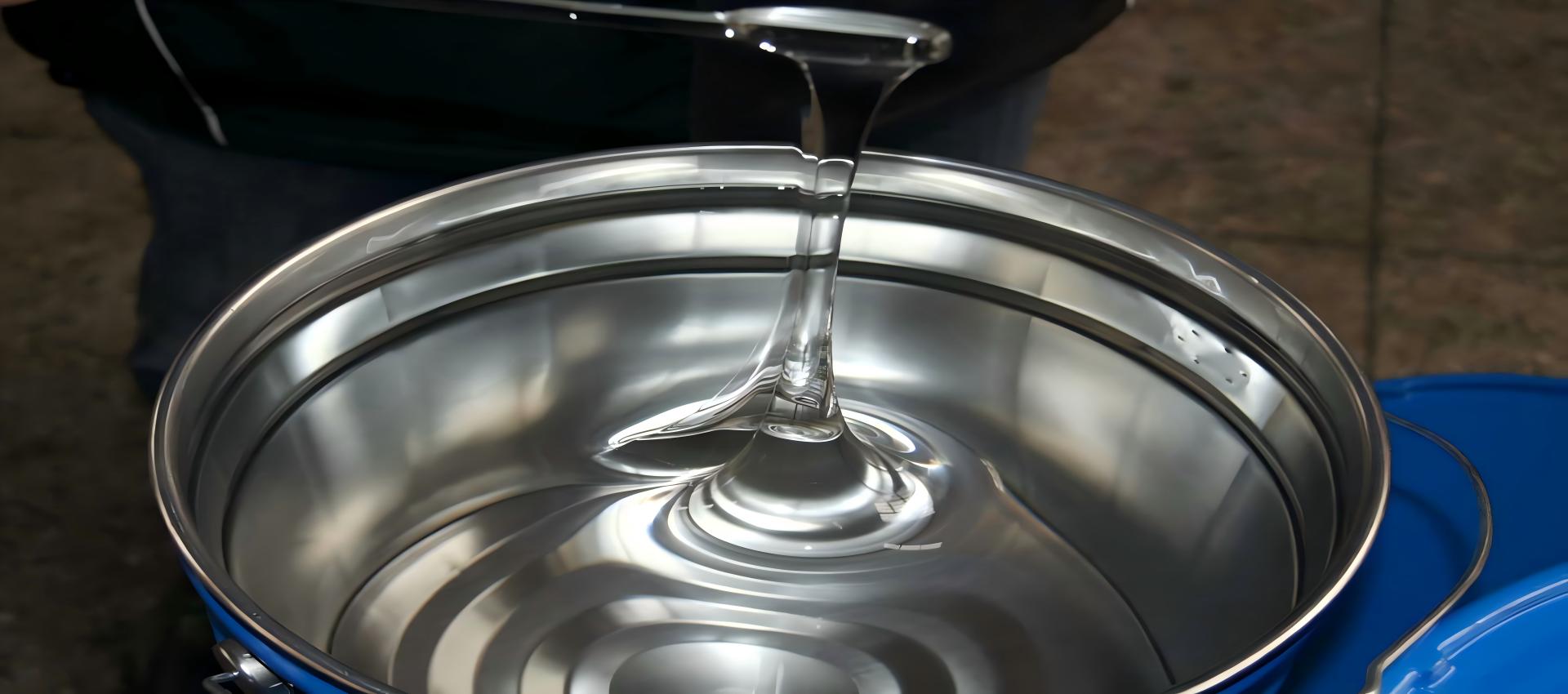
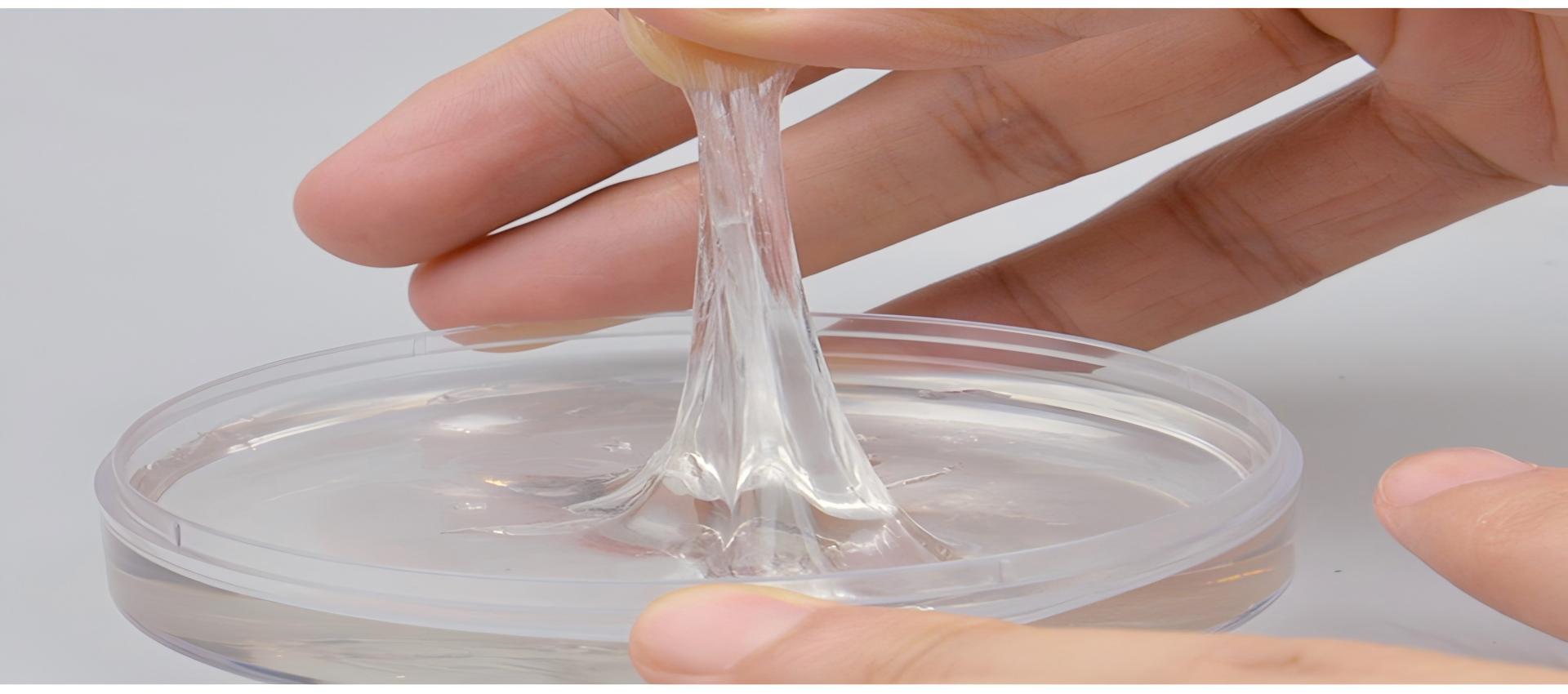
BiYuan’s advanced silicone resin delivers transformative performance for industries requiring exceptional material capabilities. This optically clear liquid combines superior thermal resilience, electrical insulation, and enduring weather resistance to enable innovation across cutting-edge applications.
Engineered for extreme adaptability, the resin forms durable hydrophobic barriers that withstand environmental degradation. With eco-compliant formulations meeting global standards, BiYuan Silicone Resin bridges peak performance and sustainability for applications spanning medical technology to advanced manufacturing. Discover how our material science can elevate your product durability and functionality. Contact us to develop customized solutions for your most demanding engineering challenges.
Quality Assurance
Strict quality control at every production stage
Innovation
Continuous R&D for cutting-edge products
Global Reach
Export to over 50 countries worldwide
Customer Focus
Dedicated to meeting customer needs

Silicone Resin Factory&supplier
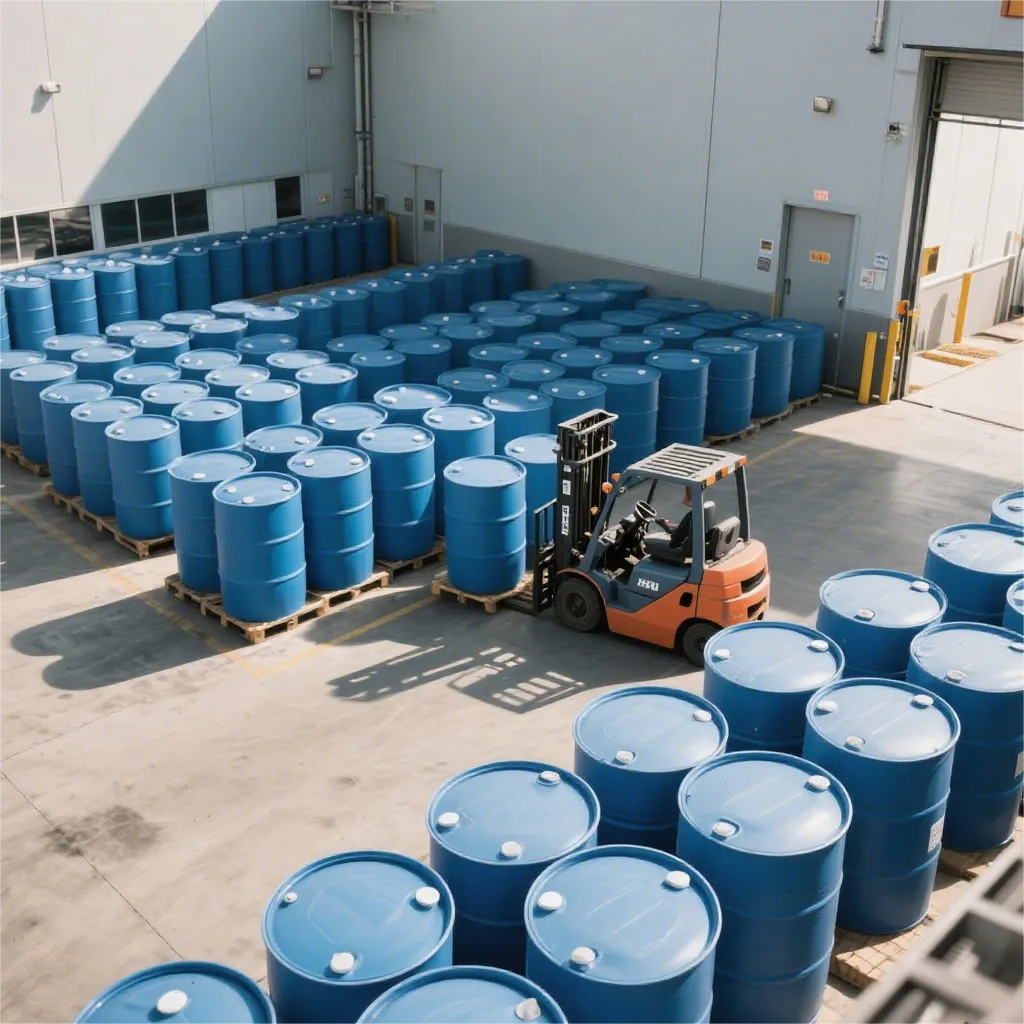
Equipped with cutting-edge technology and operated by skilled professionals, our factories ensure the highest quality standards for every product we manufacture.
Optimizing the Drying Process of Self-Drying SILICONE RESIN: Key Factors and Practical Solutions
The drying and curing efficiency of silicone resin plays a pivotal role in industrial and DIY applications, influencing product performance, project timelines, and operational costs. Whether you’re sealing industrial machinery, crafting waterproof electroni.
Silicone Resin Solvent Resistance: A Complete Guide for Industrial Applications
Understanding Silicone Resin’s Chemical Resistance Profile
Silicone resin demonstrates exceptional solvent resistance that makes it valuable across numerous industrial applications. This specialized polymer exhibits strong resistance to a wide range of chemicals, .
Silicone Resin Specific Gravity and Its Critical Role in Industrial Applications
Understanding Specific Gravity in Industrial Materials
Specific gravityis a fundamental physical property that represents the ratio of a substance’s density to the density of a reference material, typically water at 4°C. This dimensionless measurement provides cruc.
Low-Temperature Performance of Low-Phenyl Methyl Silicone Resin: A Comprehensive Guide for Industrial Applications
In the world of high-performance polymers, low-phenyl methyl silicone resin stands out for its exceptional capability to maintain functionality under extreme temperature conditions. This unique material combines the thermal stability of sil.
In the rapidly evolving solar energy sector, photovoltaic (PV) module manufacturers face increasing demands for higher efficiency, extended durability, and enhanced reliability of solar panels. The performance of PV modules is heavily influenced by the materials used in their construction, particularly those that provide protection against environmental st.
What Makes Silicone Resin Emulsion Stable? 5 Proven Strategies for Long-Lasting Performance
Silicone resin emulsions are indispensable in industries ranging from coatings to electronics, but their effectiveness hinges on one critical factor: stability. Whether you’re formulating high-temperature coatings or weather-resistant sealants, ensuring your si.
Silicone Resin in Glass Coatings: A Comprehensive Guide to Anti-Fog Performance
When it comes to enhancing glass functionality, silicone resin has emerged as a game-changing material. But can it truly deliver on the promise of anti-fog effects? Let’s dive into the science, applications, and real-world benefits of silicone resin-based coatings for fog-r.
How Heat-Resistant is Silicone Resin? Exploring Its Thermal Limits and Industrial Applications
Silicone resin stands out as a standout material in high-temperature environments due to its unique molecular structure and exceptional thermal stability. But what exactly defines its heat resistance, and how does it perform under extreme conditions? Let’s di.
In the evolving landscape of architectural coatings, performance, durability, and sustainability are no longer optional—they are essential. As buildings face increasingly harsh environmental conditions, from UV radiation and temperature extremes to pollution and moisture, the demand for advanced coating materials has never been higher. Silicone resins, wit.
In the frontiers of material science, where applications confront thermal extremes, corrosive environments, prolonged weathering, and severe electrical stress, conventional polymers often reach their functional limits. For engineers and formulators in aerospace, energy infrastructure, advanced electronics, and heavy industry, the demand is for a matrix mat.
Understanding the Challenge of Cured Silicone Resin Removal
Silicone resin presents unique removal challenges once fully cured. Unlike conventional resins, silicone-based formulations create exceptionally durable, heat-resistant bonds that adhere strongly to various substrates. In industrial settings, the improper removal of cured silicone resin can lea.
How to Maintain Silicone Resin Integrity Through Proper Storage
Silicone resin is a versatile material widely used in industries ranging from electronics to aerospace for its heat resistance, chemical stability, and durability. However, improper storage can degrade its performance, leading to costly project failures. To ensure optimal functionality and.
How Silicone Resin Revolutionizes Electronic Component Manufacturing
Silicone resin has emerged as a cornerstone material in modern electronics, offering unparalleled performance in harsh environments and demanding applications. Its unique combination of thermal stability, electrical insulation, and chemical resistance makes it indispensable across a w.
Boosting Performance: How to Improve Compatibility Between Silicone Resin and Plastics
In the world of polymer science, achieving optimal compatibility between silicone resin and various plastics represents a significant technical challenge with substantial industrial implications. These two material classes possess fundamentally different chemical stru.
Coloring Methods of Colored Silicone Resin: A Comprehensive Guide
In the world of advanced materials, colored silicone resin stands out for its unique combination of vibrant aesthetics and exceptional performance. As a versatile polymer with applications spanning multiple industries, understanding the various coloring methods is essential for manufact.
The photovoltaic (PV) industry stands at the forefront of the global transition to renewable energy, with solar modules serving as the fundamental building blocks of this transformation. As the demand for higher efficiency, longer lifespan, and greater reliability in solar panels intensifies, manufacturers face increasing pressure to adopt advanced materia.
In industries where operational conditions approach the limits of material science—aerospace propulsion, energy generation, chemical processing, and high-reliability electronics—the selection of a matrix material determines not merely product performance but system survivability. For engineers and formulators developing solutions that must withstand extrem.
How Silicone Resin in Fishing Net Coatings Prevents Marine Organism Attachment
In the global fishing and aquaculture industries, biofouling remains a persistent challenge that costs millions annually in maintenance, lost productivity, and environmental damage. Silicone resin has emerged as a groundbreaking solution for preventing marine organism attachm.
Measuring Silicone Resin Coating Thickness: Techniques and Best Practices
Why Silicone Resin Coating Thickness Matters
Silicone resin coatings provide essential protection for electronic components, industrial equipment, and high-performance materials. The correct coating thickness is critical for optimal performance – too thin, and protection beco.
Silicone resin has emerged as a critical material in advanced battery manufacturing, particularly for casings that require robust protection against electrolyte corrosion. This specialized polymer combines unique molecular stability with exceptional resistance to chemical degradation, making it increasingly valuable in industries ranging from electric ve.
I. Industry Definition
Modified silicone resins refer to a category of high-performance resin materials. Organic groups are introduced onto the molecular chains of silicone resins via chemical methods, or chemical modification is performed with other resins. This approach addresses the drawbacks of neat silicone resins, such as high curing temperature, .
Silicone Resin: The Hidden Engine Behind Next-Generation Wind Turbine Blades
The global push for renewable energy has placed wind power at the forefront of sustainable infrastructure development. As wind turbine manufacturers strive to maximize energy output and longevity, a critical materials revolution is quietly underway, centered on an advanced poly.
Balancing hardness and flexibility of polyester-modified silicone resins is an engineering task covering molecular structure design, crosslinking network construction, and coordinated optimization of formulation parameters and process conditions. A validated integrated solution can achieve a favorable balance with pencil hardness of 2H and positive impact .
Silicone Encapsulation Solutions: Advancing LED Performance and Durability
The Critical Role of Advanced Materials in LED Technology
In the rapidly evolving landscape of light-emitting diode (LED) technology, silicone-based encapsulants have emerged as a cornerstone material driving significant improvements in both performance and longevity. Unlike .
Silicone Resin Adhesives: The Secret Weapon for Bonding in Harsh Conditions
In industries where equipment and structures face relentless exposure to extreme temperatures, chemical corrosion, moisture, or UV radiation, traditional adhesives often fall short. Enter silicone resin adhesives—a versatile, high-performance solution engineered to maintain bond.
Executive Summary
Silicone resin technology is revolutionizing lithium-ion battery performance, offering unprecedented improvements in energy density, cycle life, and safety. As the global demand for high-performance energy storage solutions accelerates, silicone resins have emerged as a critical enabler for next-generation battery technologies. This co.
Title Interpretation and Summary
UV-resistant silicone resin represents a cutting-edge solution for outdoor surface protection, offering unparalleled defense against sun damage, weathering, and environmental degradation. This advanced material combines exceptional UV resistance with superior thermal stability, creating durable protective coatings that m.
When talking about organosilicon materials, most people think of silicone sealing gaskets and silicone kitchenware. Nevertheless, methyl MQ silicone resin, another core organosilicon raw material, underpins numerous industries including pressure-sensitive adhesives, high-end coatings, electronic materials and cosmetic ingredients. Featuring distinctive mol.
Introduction and Executive Summary
Low-phenyl silicone resin represents a specialized class of high-performance materials engineered specifically for demanding low-temperature environments. Characterized by phenyl content ranging from 5-10% (atomic ratio of phenyl group to silicon), this advanced material exhibits exceptional flexibility and elasticity .
Silicone Resin: Revolutionizing Modern Jewelry with Strength and Style
The Rise of Silicone Resin in Jewelry Design
The global jewelry landscape is undergoing a quiet transformation, with silicone resin emerging as a revolutionary material that seamlessly blends durabilitywith artistic expression. Unlike traditional jewelry materials that often prior.
The core of purity requirements for electronic-grade silicone resin lies in ultra-stringent control of trace impurities. Clear quantitative specifications are defined for different application scenarios, which directly determine the insulation reliability and long-term stability of electronic devices.
Key Impurity Control Specifications
Metal Ions: F.
Epoxy and Acrylic Hybrid Silicone Resins: Advancing Material Performance
Introduction to Enhanced Silicone Resin Technology
The evolution of silicone resin technology through chemical modification represents a significant breakthrough in high-performance materials. By strategically blending epoxy and acrylic components with silicone backbone struct.
The Environmental Advantages and Market Evolution of Water-Based Silicone Resin Coatings
The global coatings industry is undergoing a transformative shift toward environmentally responsible solutions, with water-based silicone resins emerging as a pivotal technology. This transition is driven by stringent environmental regulations and growing demand fo.
How Silicone Resin is Revolutionizing Industrial Fabric Treatment
In the evolving landscape of industrial textiles, a remarkable transformation is underway, driven by the innovative application of silicone resin. This versatile polymer is redefining performance standards across numerous sectors, from protective clothing to specialized industrial materia.
On November 17, 2026, an invention patent titled “A Silicone UV-Curable Resin, High-Damping Speaker UV Center Glue Comprising the Same, Preparation Method and Application” was granted (Grant Publication No. CN119859158B; Application No. CN202510166710.X; filing date February 14, 2025). The invention introduces a silicone UV-curable resin into t.
The Growing Role of UV-Curable Silicone Resins in Eco-Friendly Coating Innovations
As global demand for sustainable materials surges, industries are rethinking traditional coating systems to reduce environmental impact without compromising performance. Enter UV-curable silicone resins—a game-changer in the shift toward greener solutions. These advanced.
In today’s competitive consumer products market, visual appeal has become a critical differentiator. Silicone resin-based 3D effect coatings represent a technological breakthrough that combines aesthetic excellence with functional performance. These advanced coatings create stunning three-dimensional visual effects while providing exceptional durabil.
Properties and Applications of Silicone Foam Sealant
Silicone foam sealant, also known as silicone foam sponge, is a polymer elastomer combining the dual advantages of silicone rubber and foam materials. It is manufactured via high-temperature foaming and vulcanization process using raw silicone rubber as the base, together with fillers, vulcanizing age.
Introduction
In the rapidly evolving electronics and advanced manufacturing sectors, anti-static silicone resinhas emerged as a critical material solution addressing both performance and safety concerns. This specialized polymer combines the exceptional thermal stability, chemical resistance, and electrical insulation properties of conventional silicone.
As modern industrial electrical systems rapidly evolve toward high voltage, large capacity and intensive layout, high-temperature resistant insulating materials serve as the invisible framework guaranteeing stable operation of power equipment. Their performance limits directly set the safety ceiling of related devices. Driven by renewable energy grid integ.