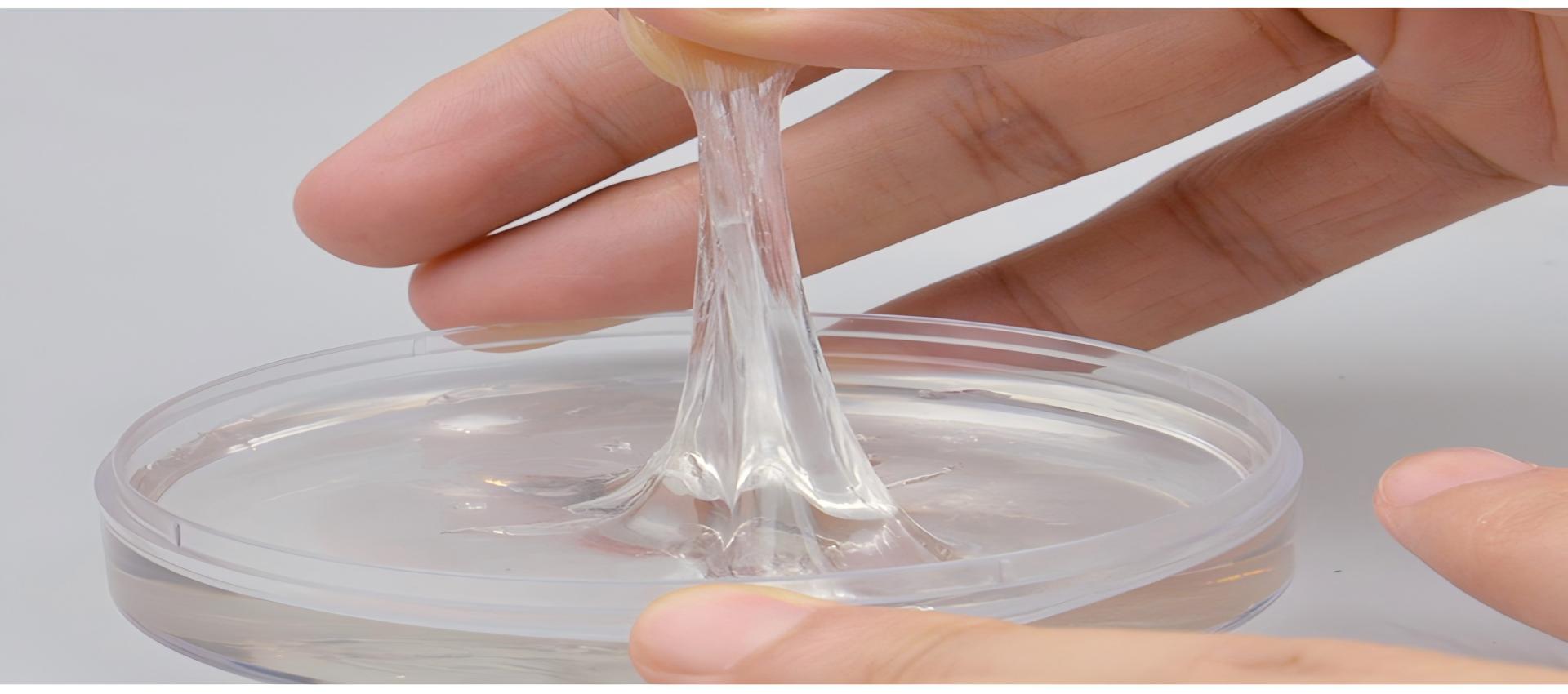
SILICONE RESIN for Ceramic Bonding: High-Temperature Solutions for Industrial Kilns - Silicone Resin Factory&supplier
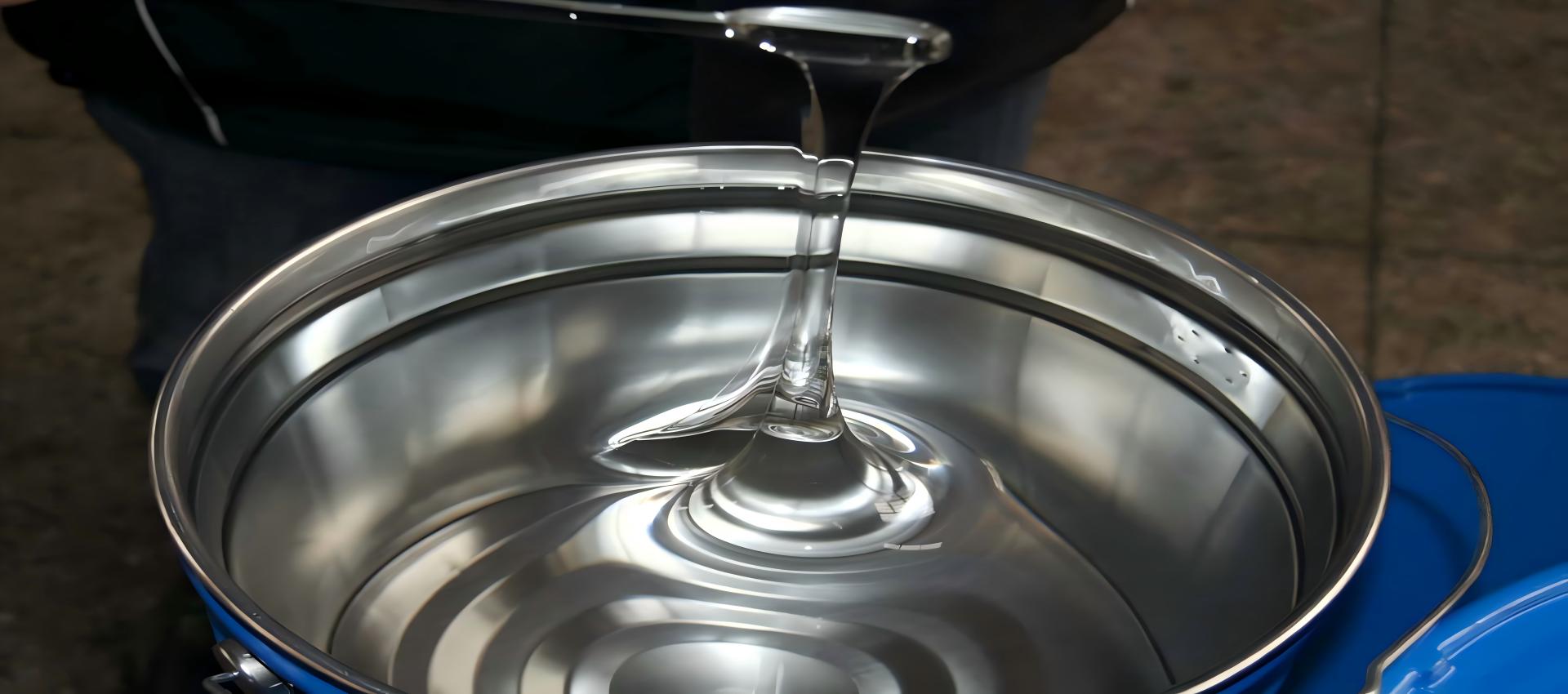
Silicone Resin
Everything you need to know about our products and company
Silicone resin represents a breakthrough technology in high-temperature ceramic bonding applications, offering unparalleled thermal stability and mechanical performance for industrial kilns and furnace systems. As a specialized polymer material, silicone resin combines the flexibility of organic polymers with the thermal resistance of inorganic materials, making it the ideal choice for demanding industrial environments where temperatures routinely exceed 500°C. This comprehensive guide explores the technical properties, application methodologies, and performance advantages of silicone resin in ceramic bonding applications, providing industrial professionals with the insights needed to optimize their high-temperature manufacturing processes.
Silicone resin’s superior high-temperature performance stems from its unique molecular structure featuring silicon-oxygen (Si-O) bonds with bond energy reaching 422.5 kJ/mol, significantly higher than conventional C-C bonds (347 kJ/mol) and C-O bonds (358 kJ/mol). This molecular architecture enables silicone resin to maintain structural integrity at temperatures up to 500°C, with some modified formulations capable of withstanding 600°C environments. The material’s low coefficient of thermal expansion ensures dimensional stability during thermal cycling, preventing cracking and delamination in ceramic joints subjected to rapid temperature changes.
Research demonstrates that silicone resin-based adhesives exhibit remarkable mechanical performance improvements at elevated temperatures. Bonding strength measurements show significant enhancement with increasing temperature exposure: ceramic joints bonded with silicone resin achieve 6.25 MPa at 200°C, which increases dramatically to 41.67 MPa after heat treatment at 1000°C. This unique property makes silicone resin particularly valuable for industrial kiln applications where components must maintain structural integrity throughout the entire thermal cycle.
A key innovation in silicone resin technology is its self-healing capability for ceramic composites. During high-temperature processing, the pyrolysis of silicone resin generates SiO₂ content that increases with higher resin content, forming a bonding phase between ceramic particles. Additionally, in-situ formation of network-like SiC nanowires from silicone resin precursors provides a dominant mechanism for crack healing. This self-healing property significantly improves the mechanical performance and extends the service life of ceramic components in industrial kilns.
Silicone resin plays a critical role in the manufacturing of ceramic shells for turbine blades via directional solidification processes. The material’s excellent mechanical properties and low linear expansion rates (as low as 0.93% in x-axis and 0.15% in y-axis directions at 32 wt% resin content) make it indispensable for high-temperature engineering components. The self-healing capability of silicone resin effectively addresses the propagation of interlayer microcracks that traditionally limit ceramic shell performance.
Industrial kilns require reliable bonding solutions for ceramic insulation, refractory linings, and heating elements. Silicone resin-based adhesives provide superior thermal resistance, chemical stability, and mechanical strength compared to traditional organic adhesives. These formulations are particularly effective for bonding carbon/carbon composites, graphite components, and silicon carbide ceramics used in high-temperature furnace construction.
Silicone resin coatings offer exceptional protection for kiln components exposed to extreme thermal and chemical environments. These coatings maintain their integrity and aesthetic appearance even under severe thermal stress, making them ideal for exhaust systems, heat exchangers, and furnace exteriors. The material’s resistance to UV radiation, chemical corrosion, and weathering ensures long-term protection in industrial settings.
Leading silicone resin manufacturers like Biyuan employ state-of-the-art production facilities with ISO 9001 and IATF 16949 certifications, ensuring consistent quality and performance. The manufacturing process incorporates statistical process control (SPC) for critical dimensions, with precision control achieving ±0.01 mm tolerances. Automated injection molding systems monitor temperature, pressure, and curing parameters in real-time to maintain process stability and product consistency.
Quality assurance protocols for silicone resin production include rigorous raw material inspection, production process monitoring, and comprehensive finished product testing. Advanced testing methodologies encompass mechanical properties evaluation (tensile strength, elongation), thermal performance analysis (thermal conductivity, insulation properties), and environmental resistance testing (aging, salt spray exposure). These stringent quality controls ensure that silicone resin products meet or exceed industry standards for high-temperature applications.
Biyuan’s R&D capabilities enable the development of customized silicone resin formulations tailored to specific industrial requirements. Through material modification techniques including inorganic filler incorporation, surface treatment optimization, and crosslinking density adjustment, the company delivers solutions that address unique application challenges in ceramic bonding, thermal insulation, and high-temperature sealing.
The silicone resin market demonstrates robust growth driven by increasing demand from automotive, aerospace, electronics, and construction sectors. Market projections indicate a compound annual growth rate (CAGR) of approximately 6% from 2020 to 2026, with the Asia-Pacific region leading market expansion due to rapid industrialization and infrastructure development. The growing emphasis on energy efficiency and sustainability in industrial processes further accelerates the adoption of high-performance silicone resin materials.
Recent advancements in silicone resin technology focus on developing formulations with enhanced thermal conductivity for heat dissipation applications, improved electrical insulation properties for electronic components, and superior flame retardancy for safety-critical applications. The integration of nanotechnology and hybrid material systems enables the creation of next-generation silicone resins with multifunctional capabilities.
Silicone resin products for industrial applications must comply with international standards including UL 94V-0 for flammability, IEC 61086 for adhesion and environmental resistance, and various automotive and aerospace specifications. Leading manufacturers maintain comprehensive certification portfolios to ensure global market access and customer confidence.
Successful ceramic bonding with silicone resin requires meticulous surface preparation. Substrates must be thoroughly cleaned to remove contaminants, and appropriate surface treatments (such as silane coupling agents) should be applied to enhance adhesion. The use of primers specifically formulated for silicone resin systems can significantly improve bonding performance on challenging substrates.
Silicone resin application methods vary depending on the specific formulation and end-use requirements. Common techniques include spray coating, dip coating, and manual application using specialized dispensing equipment. Automated application systems with robotic precision ensure uniform coverage and consistent film thickness, particularly for large-scale industrial components.
Proper curing is essential for achieving optimal performance properties. Silicone resin systems may require thermal curing at elevated temperatures (typically 150-250°C) to develop full crosslinking density and mechanical strength. Post-curing treatments can further enhance thermal stability and chemical resistance, making the material suitable for the most demanding industrial environments.
Comprehensive thermal analysis including thermogravimetric analysis (TGA) and differential scanning calorimetry (DSC) validates silicone resin’s high-temperature stability. Standard testing protocols evaluate mass loss at specific temperatures, thermal decomposition onset, and glass transition temperatures to ensure material suitability for industrial kiln applications.
Tensile strength, elongation at break, and hardness measurements at both ambient and elevated temperatures provide critical performance data. Shear and peel adhesion tests on ceramic substrates confirm bonding strength under thermal cycling conditions, simulating real-world industrial service environments.
Accelerated aging tests including thermal cycling, humidity exposure, and chemical resistance evaluation ensure long-term reliability. These tests validate silicone resin’s performance in harsh industrial atmospheres containing corrosive gases, moisture, and thermal shock conditions.
The continued evolution of silicone resin technology focuses on developing formulations with even higher temperature resistance (targeting 700°C+ applications), improved self-healing capabilities, and enhanced sustainability profiles through reduced VOC emissions and recyclable material systems. Emerging applications in renewable energy systems, electric vehicle components, and advanced electronics manufacturing present new opportunities for silicone resin innovation.
For industrial professionals seeking reliable high-temperature bonding solutions, silicone resin represents a proven technology with demonstrated performance in the most demanding applications. By partnering with experienced manufacturers and leveraging advanced formulation capabilities, industries can achieve superior results in ceramic bonding, thermal management, and component protection for industrial kiln systems.
Our most popular products loved by customers worldwide
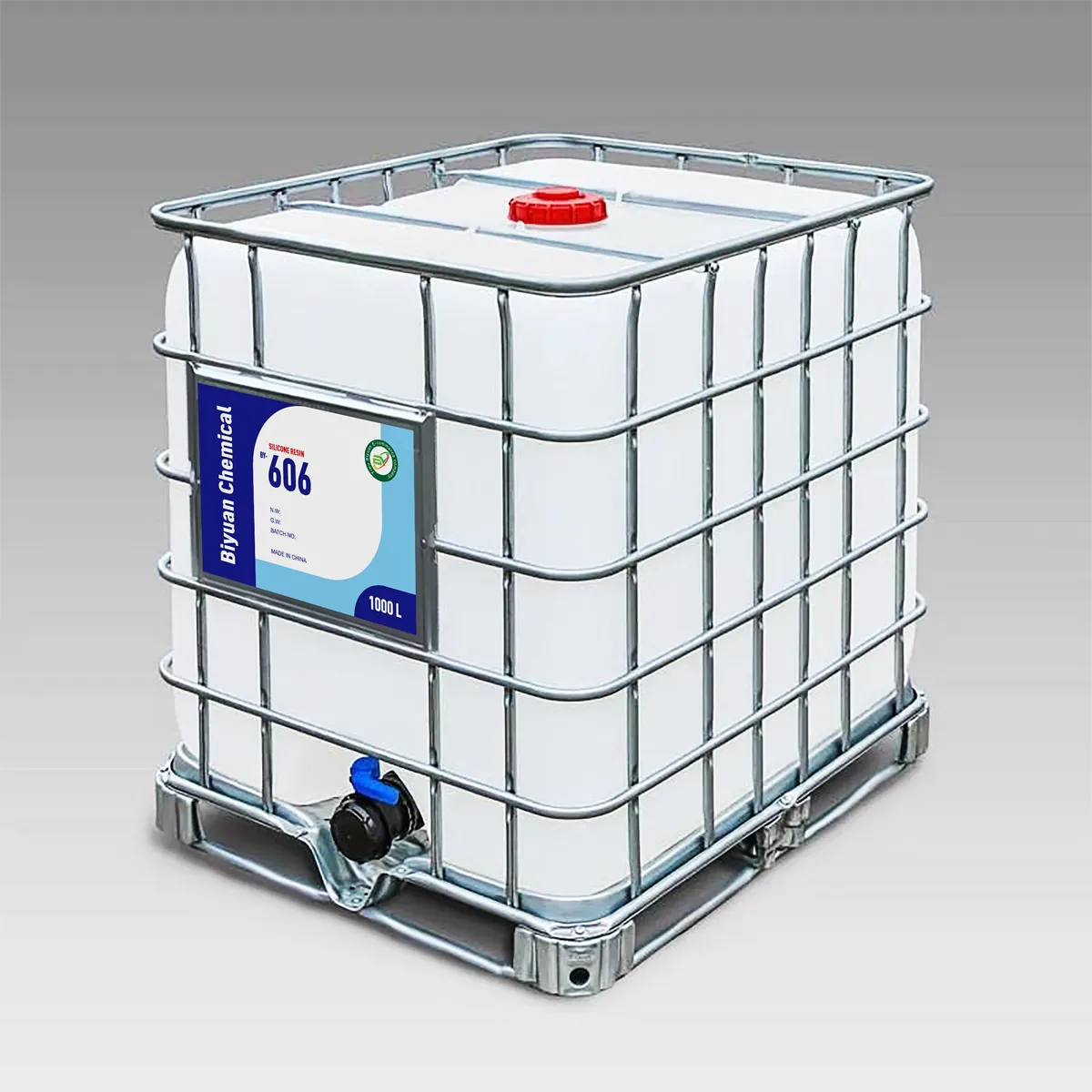
Silicone resins transform release agent technology through their exceptional thermal stability and non-stick properties. These high-performance materials create durable, cross-linked release layers that prevent adhesion in demanding molding and casting applications. The resins withstand temperatures exceeding 300°C while maintaining consistent release p.
Silicone resins deliver breakthrough performance in coating applications through their exceptional weather resistance and thermal stability. These advanced materials form durable, protective networks that maintain integrity under extreme environmental conditions, including prolonged UV exposure and temperatures ranging from -50°C to 300°C. Meeting inter.
Silicone resins significantly enhance plastic and rubber products through their unique cross-linking capabilities and surface modification properties. These high-performance additives improve thermal stability, weather resistance, and processing characteristics across various polymer systems. Meeting international industry standards, silicone resins off.
Silicone resins deliver exceptional thermal stability (up to 400°C) and mechanical strength to composite materials. These high-performance resins improve processing efficiency while enhancing electrical insulation and flame retardancy. Compatible with organic and inorganic fillers, they ensure uniform distribution and strong interfacial adhesion. The re.