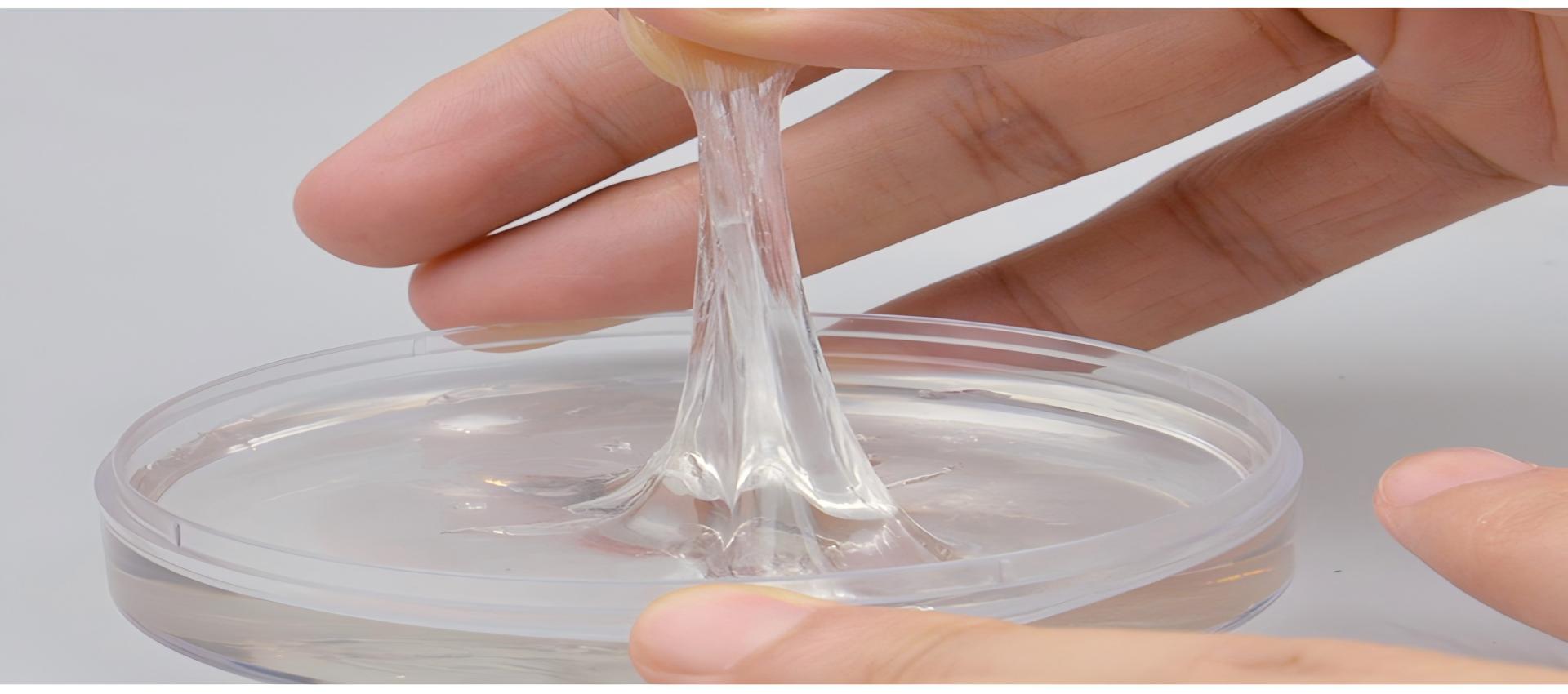
UV-Resistant SILICONE RESIN: Protecting Outdoor Surfaces from Sun Damage - Silicone Resin Factory&supplier
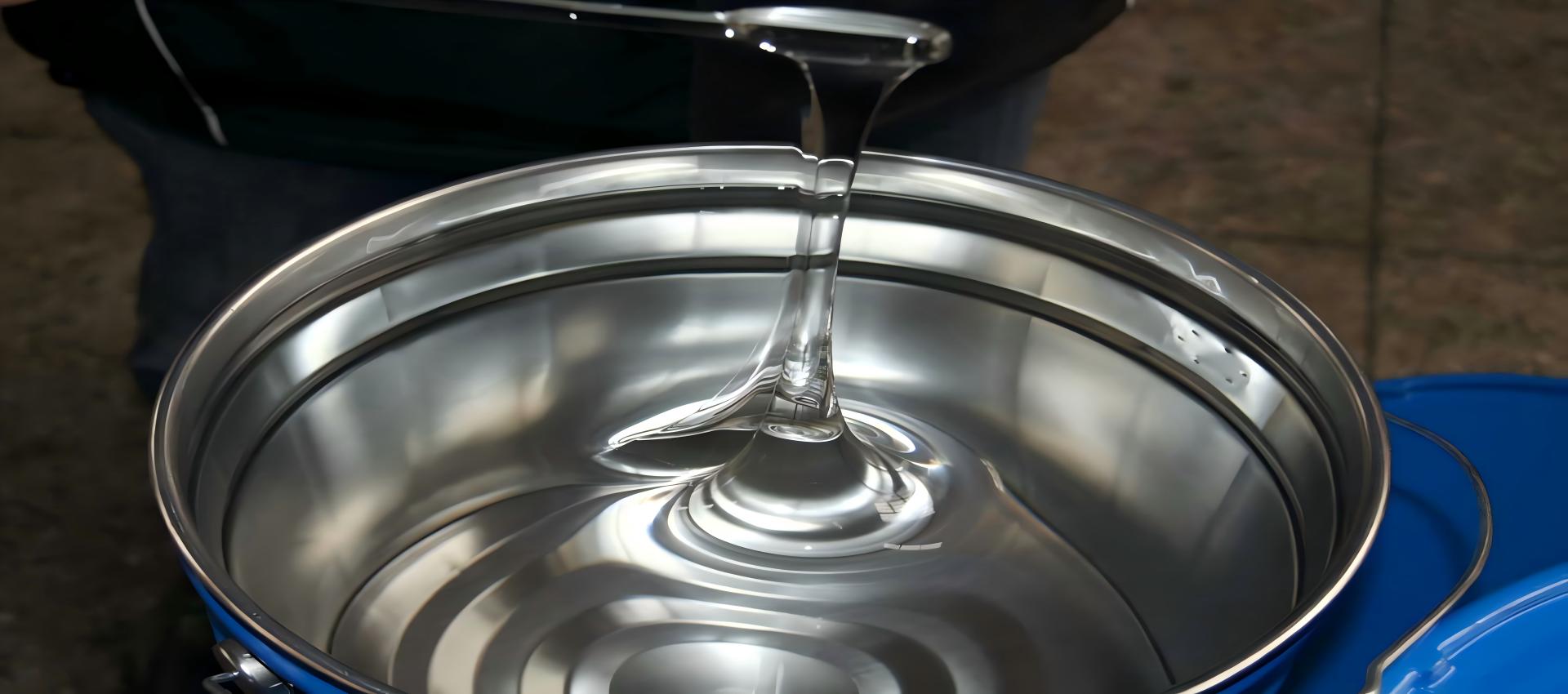
Silicone Resin
Everything you need to know about our products and company
Title Interpretation and Summary
UV-resistant silicone resin represents a cutting-edge solution for outdoor surface protection, offering unparalleled defense against sun damage, weathering, and environmental degradation. This advanced material combines exceptional UV resistance with superior thermal stability, creating durable protective coatings that maintain surface integrity and appearance over extended periods. With the global silicone resins market projected to reach $1.5 billion by 2031, growing at a CAGR of 4.4%, the demand for high-performance outdoor protection solutions continues to accelerate across construction, automotive, and industrial sectors.
The global silicone resins market demonstrates robust growth momentum, driven by increasing demand from key end-use industries. Asia-Pacific dominates the market with a 42.5% share in 2021, with China emerging as a major production hub and innovation center. The region’s rapid infrastructure development, coupled with growing automotive and electronics sectors, fuels market expansion. North America and Europe follow closely, with stringent environmental regulations pushing manufacturers toward eco-friendly formulations.
The methyl silicone resins segment accounts for the largest market share at 42.4%, primarily due to increased demand from construction and automobile industries. Methylphenyl silicone resins represent the fastest-growing segment, expanding at approximately 4.9% CAGR, driven by their excellent adhesion properties and high flexibility in adhesive and sealant applications.
Silicone resins derive their exceptional UV resistance from the strong Si-O-Si bond structure, which exhibits remarkable stability under prolonged sunlight exposure. This molecular configuration prevents the breakdown of coatings exposed to UV radiation, maintaining color integrity and surface properties over time. The unique chemical structure allows silicone resins to withstand extreme temperatures ranging from -60°C to 200°C, making them ideal for outdoor applications in diverse climatic conditions.
UV-resistant silicone resins offer comprehensive protection through multiple mechanisms:
Thermal Stability: The material maintains structural integrity at temperatures up to 200°C, preventing degradation and maintaining protective properties even under intense heat exposure.
Moisture Resistance: The hydrophobic nature of silicone resins creates effective water barriers, preventing moisture penetration that can lead to corrosion, mold growth, and structural damage.
Chemical Resistance: Silicone resins resist degradation from environmental pollutants, salt spray, and industrial chemicals, ensuring long-term protection in harsh environments.
Flexibility and Adhesion: These resins form flexible films that expand and contract with temperature fluctuations without cracking or peeling, maintaining adhesion to various substrates including metal, concrete, wood, and plastic.
Silicone resin manufacturing involves a sophisticated multi-stage process that begins with the synthesis of organosilicon monomers. The core process starts with silicon powder reacting with chlorinated hydrocarbons under high temperature and pressure, using the Grignard reagent method or direct synthesis to generate methylchlorosilane mixtures. This requires precise control of reaction temperature and pressure to minimize by-product formation.
The high-purity dimethyl dichlorosilane monomer undergoes purification through hydrolysis and distillation steps before entering the hydrolysis condensation reaction. This critical step occurs under acidic or alkaline conditions to generate linear polysiloxane prepolymers with uniform molecular weight distribution. The entire manufacturing process must be conducted in clean workshop environments to prevent impurity contamination, with real-time monitoring of key parameters including Mooney viscosity and vulcanization characteristics.
Leading manufacturers implement comprehensive quality management systems to ensure product consistency and performance. These systems include ISO 9001 certification for process consistency, UL94V-0 fire safety standards, and FDA 21 CFR Section 177.2600 compliance for food contact applications. Additional certifications include EN45545-2 for rail industry applications, Boeing BMS 1-60 for aerospace, and ISO 10993 for medical-grade materials.
In the building and construction sector, UV-resistant silicone resins serve as essential components in exterior coatings, waterproofing systems, and protective finishes. They provide long-term weather protection for facades, roofs, bridges, and infrastructure elements exposed to direct sunlight and environmental elements. These coatings maintain gloss retention, prevent color fading, and resist chalking, ensuring buildings retain their aesthetic appeal while minimizing maintenance requirements.
The automotive sector represents one of the fastest-growing application areas, with the segment projected to grow at approximately 5.5% CAGR. Silicone resins are used in automotive body coverings, under-the-hood components, and exterior trim parts where heat resistance and UV stability are critical. Their lightweight properties contribute to fuel efficiency while providing durable protection against road debris, salt, and weather exposure.
The electrical and electronics segment accounts for the largest market share at 42.4%, driven by silicone resins’ excellent insulation properties and thermal stability. These materials protect sensitive electronic components from UV degradation, moisture ingress, and temperature extremes in outdoor applications such as solar panels, LED lighting, and communication equipment.
Industrial applications include protective coatings for pipelines, storage tanks, chemical processing equipment, and marine structures. Silicone resin-based coatings offer corrosion resistance, chemical inertness, and long-term durability in aggressive environments, reducing maintenance costs and extending equipment service life.
The silicone resin industry operates under a comprehensive framework of international standards ensuring product quality, safety, and performance. Key standards include:
IEC 60893-3-6: Specifies requirements for rigid plywood based on silicone resin for electrical insulation applications.
ISO 8096-2: Defines specifications for polyurethane and silicone elastomer coated fabrics used in raincoats and protective clothing.
ASTM C1518: Standard specification for pre-vulcanized elastic silicone joint sealant, ensuring performance consistency in construction applications.
UL 94V-0: Fire safety standard determining material flammability, with silicone resins achieving the highest rating for flame retardancy.
With growing environmental awareness, manufacturers must comply with stringent regulations including EU REACH, RoHS 3 for hazardous substance restrictions, and VOC emission limits. The development of water-based silicone resins and solvent-free formulations addresses these requirements while maintaining performance characteristics.
Biyuan stands at the forefront of silicone resin innovation, leveraging decades of research and development expertise to deliver cutting-edge solutions for outdoor protection applications. The company’s commitment to technological advancement is evidenced by its extensive patent portfolio, with over 400 patents filed across various silicone technology domains.
Biyuan’s research initiatives have yielded significant breakthroughs in silicone resin formulation. The company developed high-performance silicone sealant production processes that earned the Guangdong Science and Technology Progress Award, demonstrating industry recognition for technical excellence. These innovations include ultra-high-performance silicone structural sealants rated as national key new products, and de-ethanol type RTV silicone rubber formulations that enhance environmental friendliness.
The company’s product range encompasses specialized silicone resins tailored for specific outdoor protection needs:
High Heat-Resistant Formulations: Biyuan’s silicone resins withstand temperatures up to 400-500°C, making them suitable for industrial applications requiring extreme thermal stability.
Fast-Curing Systems: The company’s neutral acetone-free room temperature vulcanized silicone rubber offers rapid curing while maintaining excellent adhesion and flexibility properties.
Solar Photovoltaic Solutions: Special sealants developed for solar photovoltaic modules provide long-term UV protection and weather resistance, contributing to the renewable energy sector’s growth.
Biyuan integrates environmental sustainability into its manufacturing processes and product development. The company focuses on developing low-VOC formulations, water-based systems, and recyclable materials that minimize environmental impact while meeting stringent performance requirements. This commitment aligns with global trends toward green manufacturing and sustainable material solutions.
The global silicone resins market exhibits distinct regional characteristics:
Asia-Pacific: Dominates with over 42% market share, driven by China’s manufacturing capabilities, Japan’s technological leadership, and India’s growing industrial base. The region benefits from cost advantages and proximity to raw material sources.
North America: Characterized by high-value applications in aerospace, defense, and advanced electronics, with stringent quality requirements and premium pricing.
Europe: Focuses on environmentally compliant products and innovative applications in automotive and construction sectors, with strong emphasis on sustainability.
The market features a diverse competitive landscape including global chemical giants and specialized manufacturers. Major players include Wacker Chemie, Evonik Industries, Kaneka Corporation, and Momentive, alongside emerging Chinese manufacturers driving innovation and cost competitiveness. Strategic alliances, acquisitions, and R&D investments characterize the competitive dynamics, with companies focusing on developing differentiated products for niche applications.
The silicone resin industry continues to evolve with several emerging trends:
Smart Materials: Development of self-healing silicone resins and temperature-sensitive formulations opens new applications in flexible electronics and advanced coatings.
UV-Curable Systems: Acrylated silicone resins offer rapid curing under UV light, reducing production times and energy consumption while maintaining performance properties.
Nano-Enhanced Formulations: Integration of nanotechnology enhances barrier properties, scratch resistance, and self-cleaning capabilities for superior outdoor protection.
Several sectors present significant growth potential:
Renewable Energy: Solar panel encapsulation and wind turbine protection require durable, UV-resistant materials with long service life.
Electric Vehicles: Lightweighting and thermal management in EV batteries and components drive demand for advanced silicone materials.
5G Infrastructure: Outdoor communication equipment and base stations require protective coatings that withstand environmental exposure while maintaining signal integrity.
Sustainable Construction: Green building certifications and energy efficiency requirements create demand for high-performance coatings that reduce maintenance and extend building lifespan.
UV-resistant silicone resin represents a sophisticated solution for outdoor surface protection, combining exceptional UV stability, thermal resistance, and long-term durability. As global demand grows across construction, automotive, and industrial sectors, manufacturers like Biyuan continue to drive innovation through advanced formulations, sustainable practices, and comprehensive quality systems. With the market projected for steady growth and new applications emerging in renewable energy and advanced electronics, silicone resins remain essential materials for protecting outdoor surfaces against sun damage and environmental degradation.
Our most popular products loved by customers worldwide
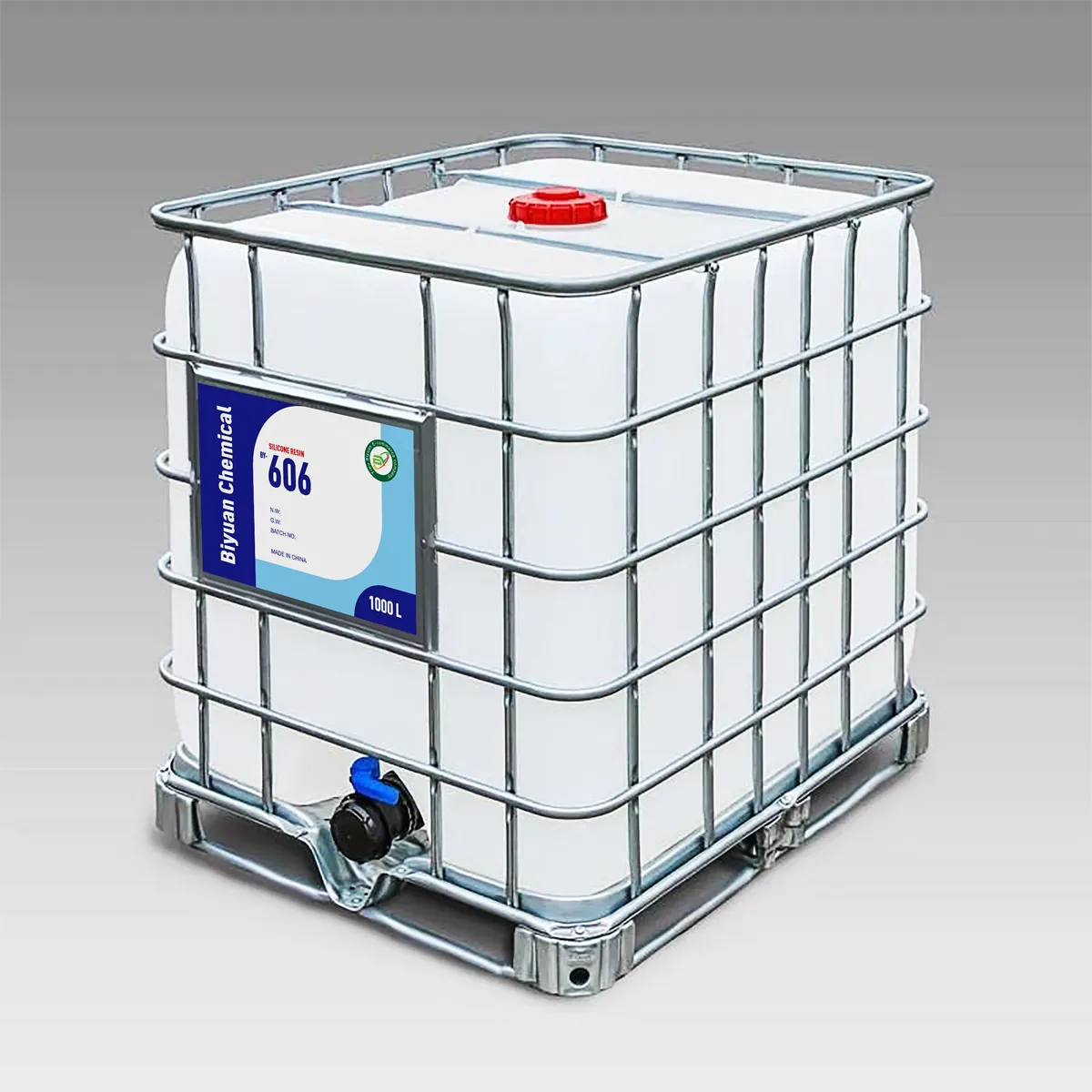
Silicone resins transform release agent technology through their exceptional thermal stability and non-stick properties. These high-performance materials create durable, cross-linked release layers that prevent adhesion in demanding molding and casting applications. The resins withstand temperatures exceeding 300°C while maintaining consistent release p.
Silicone resins deliver breakthrough performance in coating applications through their exceptional weather resistance and thermal stability. These advanced materials form durable, protective networks that maintain integrity under extreme environmental conditions, including prolonged UV exposure and temperatures ranging from -50°C to 300°C. Meeting inter.
Silicone resins significantly enhance plastic and rubber products through their unique cross-linking capabilities and surface modification properties. These high-performance additives improve thermal stability, weather resistance, and processing characteristics across various polymer systems. Meeting international industry standards, silicone resins off.
Silicone resins deliver exceptional thermal stability (up to 400°C) and mechanical strength to composite materials. These high-performance resins improve processing efficiency while enhancing electrical insulation and flame retardancy. Compatible with organic and inorganic fillers, they ensure uniform distribution and strong interfacial adhesion. The re.