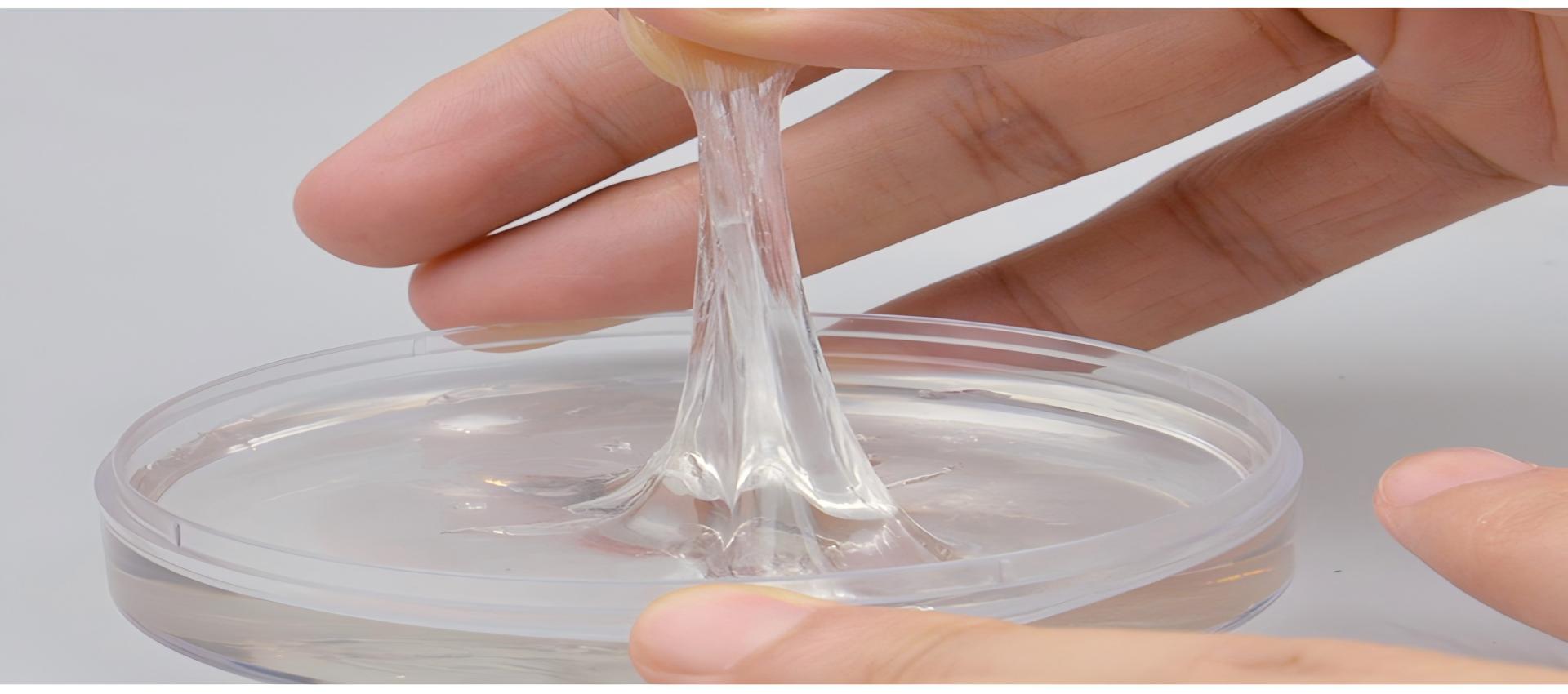
The “Molecular ID Card” of Silicone Resins: High-Field ²⁹Si NMR Analysis - Silicone Resin Factory&supplier
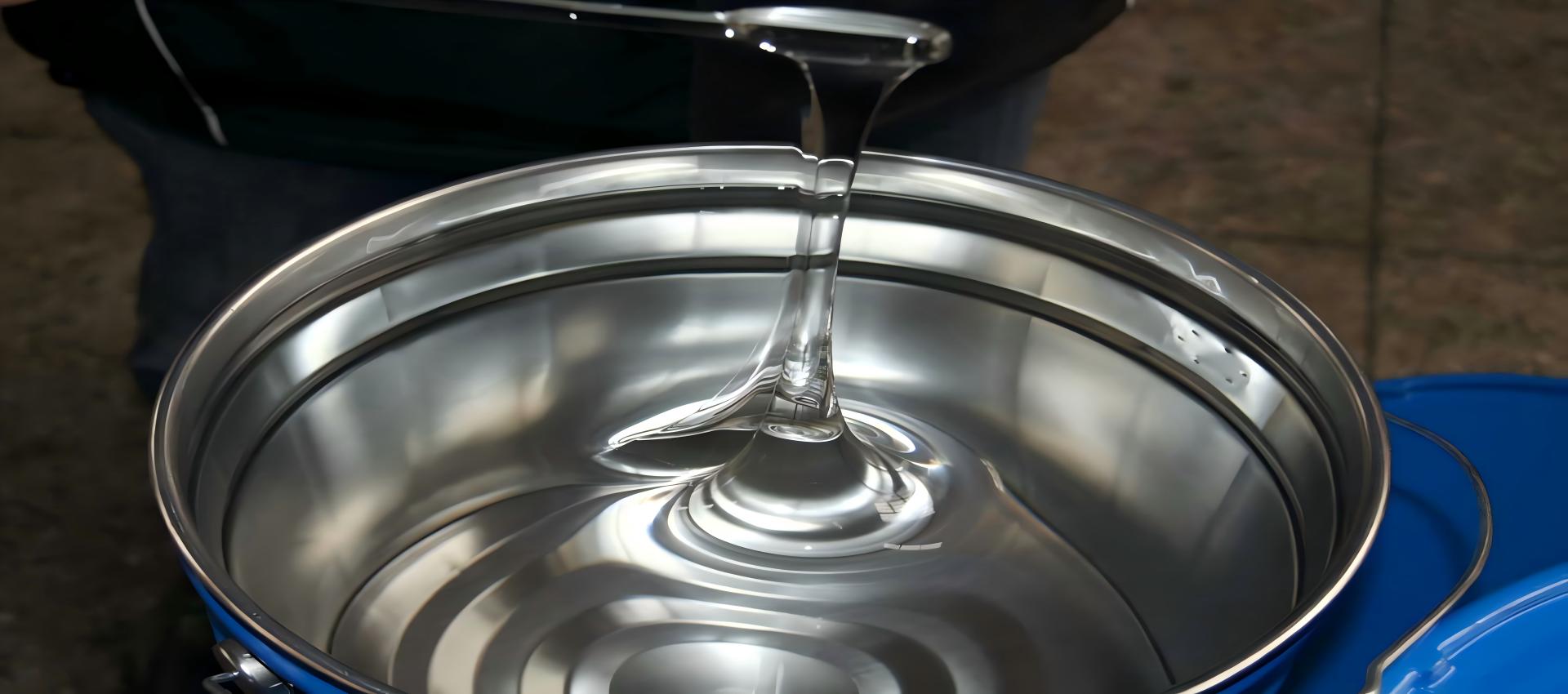
Silicone Resin
Everything you need to know about our products and company
Many people recognize the outstanding performance of silicone resins, yet few understand that the core factors governing their hardness, thermal resistance, curing speed and aging resistance lie in the microstructure of their internal siloxane backbone.
High-field ²⁹Si NMR (Nuclear Magnetic Resonance) serves as the “golden key” to decode the microstructure of silicone resins. It is also a core test method in the industry for silicone resin structural identification, formulation optimization and quality control.
Silicone resin is a crosslinkable semi-inorganic polymer with a silicon oxygen silicon main chain and organic groups bonded to silicon atoms. Information about organic groups in such materials can be obtained via ¹H NMR and ¹³C NMR, while ²⁹Si NMR testing delivers data on fundamental structural units and degree of condensation. Silicone structural units are generally classified by functionality: M units (monofunctional), D units (difunctional), T units (trifunctional), and Q units (tetrafunctional). Chemical shifts vary with these M/D/T/Q units and different substituents (R = H, CH₃, CH=CH₂, phenyl, etc.).
Conventional routine tests for silicone resins measure viscosity, solid content, hardness, thermogravimetric loss and adhesion. However, these are only macroscopic properties.
Even among methyl silicone resins or phenyl silicone resins, some withstand high temperatures without yellowing, while others crack and lose gloss after short-term service. Some cure rapidly to form dense crosslinks, whereas others remain tacky over time and suffer poor stability.
There is only one fundamental cause for such discrepancies: differences in the composition and crosslink density of microscopic silicon units.
The molecular backbone of silicone resins consists of various siloxane structural units, standardized into four core categories within the industry, which are the primary targets identified by ²⁹Si NMR:
²⁹Si NMR is currently the only non-destructive testing technique capable of direct qualitative and quantitative analysis of silicone resin backbone structures. It accurately identifies the chemical environment, proportion and crosslinking degree of each type of silicon unit, explaining differences in material performance at the root cause.
Our most popular products loved by customers worldwide
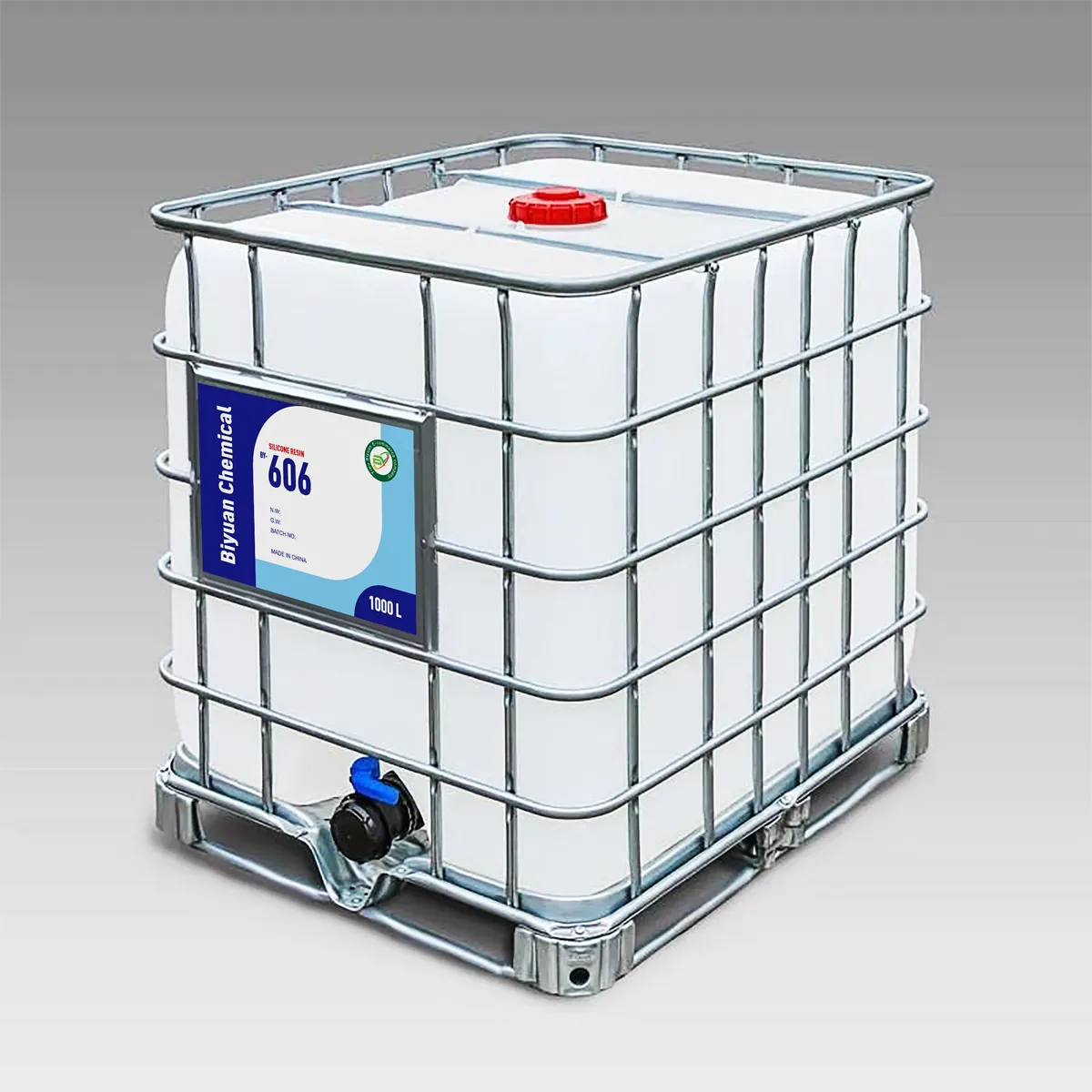
Silicone resins transform release agent technology through their exceptional thermal stability and non-stick properties. These high-performance materials create durable, cross-linked release layers that prevent adhesion in demanding molding and casting applications. The resins withstand temperatures exceeding 300°C while maintaining consistent release p.
Silicone resins deliver breakthrough performance in coating applications through their exceptional weather resistance and thermal stability. These advanced materials form durable, protective networks that maintain integrity under extreme environmental conditions, including prolonged UV exposure and temperatures ranging from -50°C to 300°C. Meeting inter.
Silicone resins significantly enhance plastic and rubber products through their unique cross-linking capabilities and surface modification properties. These high-performance additives improve thermal stability, weather resistance, and processing characteristics across various polymer systems. Meeting international industry standards, silicone resins off.
Silicone resins deliver exceptional thermal stability (up to 400°C) and mechanical strength to composite materials. These high-performance resins improve processing efficiency while enhancing electrical insulation and flame retardancy. Compatible with organic and inorganic fillers, they ensure uniform distribution and strong interfacial adhesion. The re.