Reassessing the Strategic Value of Modified Silicone Resins amid 5G Packaging and New Energy Vehicle Driven Demands - Silicone Resin Factory&supplier
Silicone Resin
Everything you need to know about our products and company
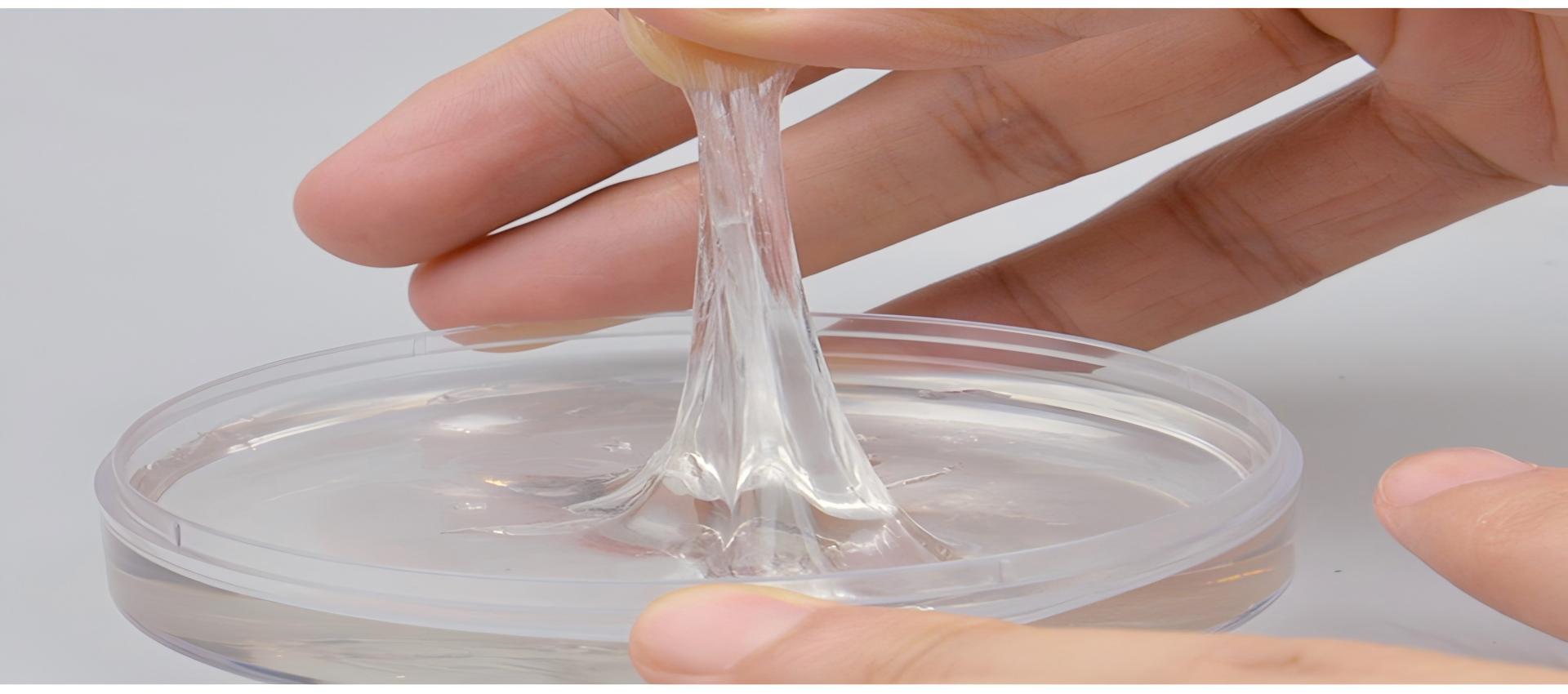
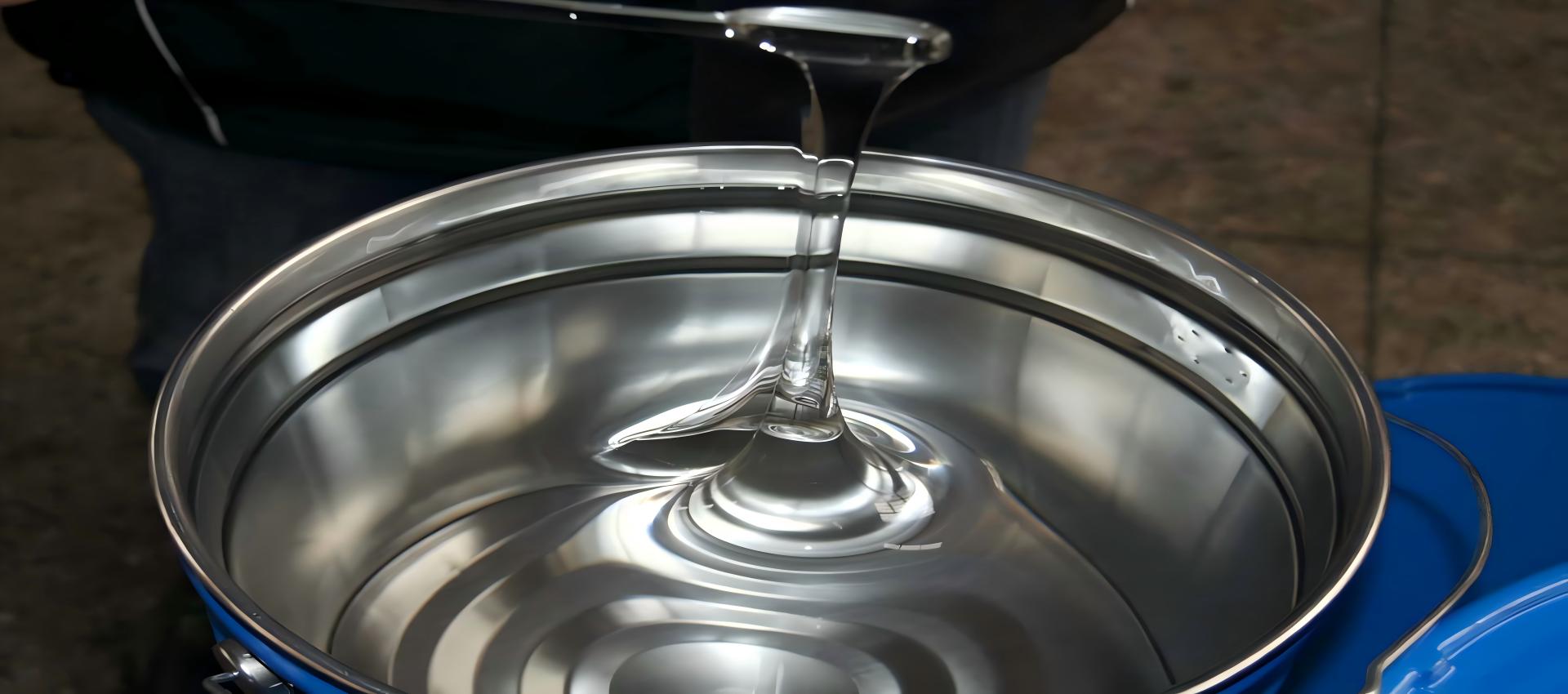
Modified silicone resins refer to a category of high-performance resin materials. Organic groups are introduced onto the molecular chains of silicone resins via chemical methods, or chemical modification is performed with other resins. This approach addresses the drawbacks of neat silicone resins, such as high curing temperature, poor adhesion and insufficient solvent resistance. The modified products retain the excellent heat resistance, weather resistance and electrical insulation of silicone, while improving their processability and mechanical properties.
In terms of modification methods, they fall into two major categories: chemical modification (side-chain, end-group and main-chain chemical modification) and physical blending modification. Chemical modification realizes property tuning at the molecular level through copolymerization or grafting reactions, serving as the mainstream route for high-end applications.
By modification type, the products include epoxy-modified, acrylate-modified, polyester-modified, polyurethane-modified, phenolic-modified and nano-modified silicone resins.
Feature 1: Technology-intensive nature with interdisciplinary integration. The preparation of modified silicone resins involves interdisciplinary subjects including organic synthesis, polymer chemistry and nanocomposites. Every step requires precise control, from the selection of siloxane monomers and the dosage of introduced modifying groups, to reaction condition management and product purification. This implies a lengthy process optimization cycle between laboratory formulations and mass production.
Feature 2: “Performance-enabling” property penetrating multiple industries. Modified silicone resins cover diverse sectors such as aerospace, microelectronics, electric power, coatings and construction. They are applied as high-temperature-resistant coatings in aerospace, encapsulation protection materials in microelectronics, insulating impregnants in power systems, and ultra-weather-resistant exterior wall coatings in construction. Their core value lies not in bearing loads as structural materials, but as functional materials to elevate the performance limits of end products.
The global silicone resin market is projected to grow from USD 1.5 billion in 2025 to USD 2.55 billion by 2035, representing a CAGR of 5.45%. New energy, electronics and electrical sectors constitute the most reliable growth drivers. Demand for high-temperature resistant, highly insulating and high-reliability materials keeps expanding for 5G device packaging, new energy vehicle components and photovoltaic modules. Demand for silicone-modified acrylic resins in ultra-weather-resistant architectural coatings rises alongside upgraded building quality. Water-based and eco-friendly products are becoming the focal point of next-generation technological competition. The industrialization breakthrough of nano-modification technology and domestic localization of high-refractive-index silicone resins for high-end encapsulation are two core factors that will determine whether the industry can shift from mid-low end manufacturing to high-end leadership.
Our most popular products loved by customers worldwide
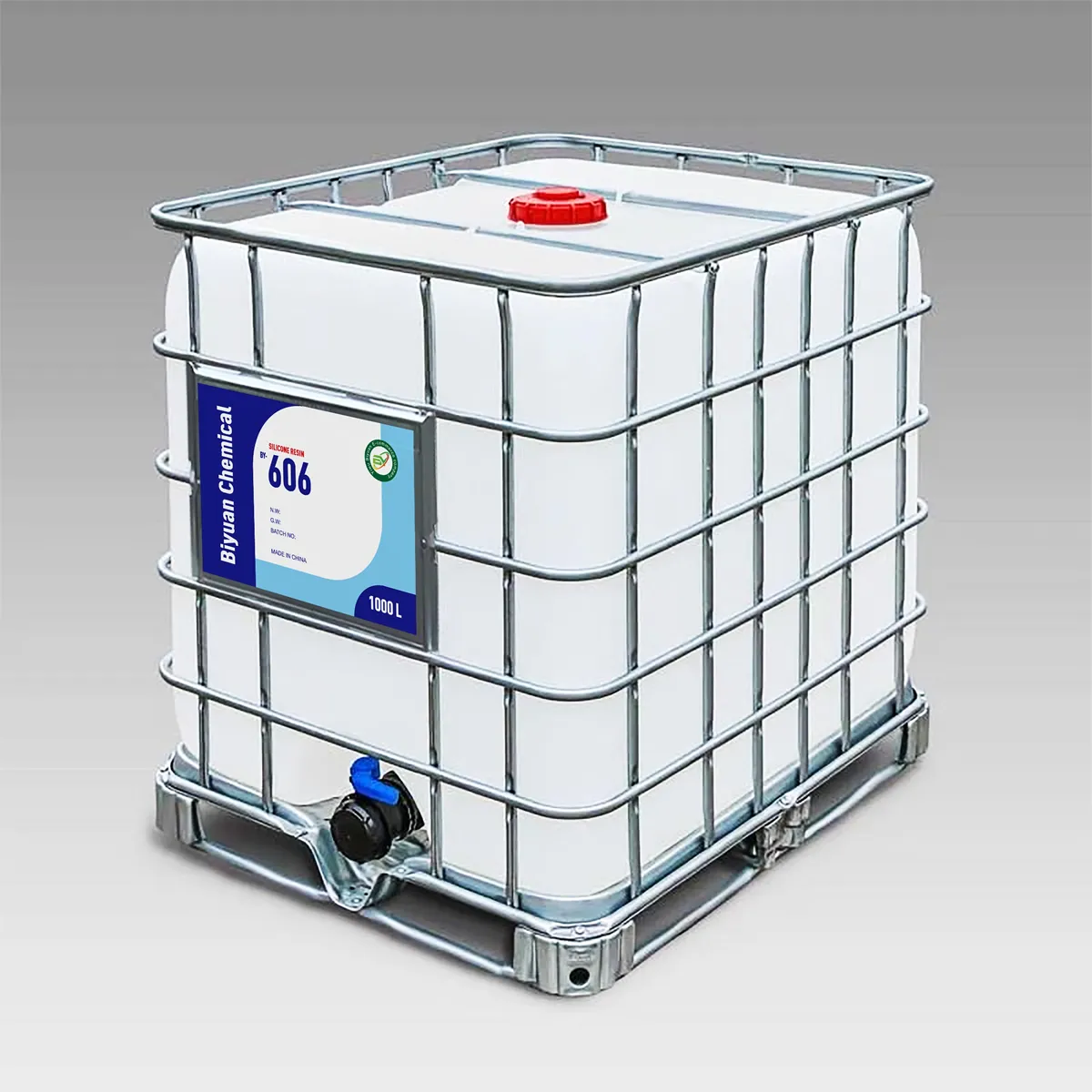
Silicone resins transform release agent technology through their exceptional thermal stability and non-stick properties. These high-performance materials create durable, cross-linked release layers that prevent adhesion in demanding molding and casting applications. The resins withstand temperatures exceeding 300°C while maintaining consistent release p.
Silicone resins deliver breakthrough performance in coating applications through their exceptional weather resistance and thermal stability. These advanced materials form durable, protective networks that maintain integrity under extreme environmental conditions, including prolonged UV exposure and temperatures ranging from -50°C to 300°C. Meeting inter.
Silicone resins significantly enhance plastic and rubber products through their unique cross-linking capabilities and surface modification properties. These high-performance additives improve thermal stability, weather resistance, and processing characteristics across various polymer systems. Meeting international industry standards, silicone resins off.
Silicone resins deliver exceptional thermal stability (up to 400°C) and mechanical strength to composite materials. These high-performance resins improve processing efficiency while enhancing electrical insulation and flame retardancy. Compatible with organic and inorganic fillers, they ensure uniform distribution and strong interfacial adhesion. The re.