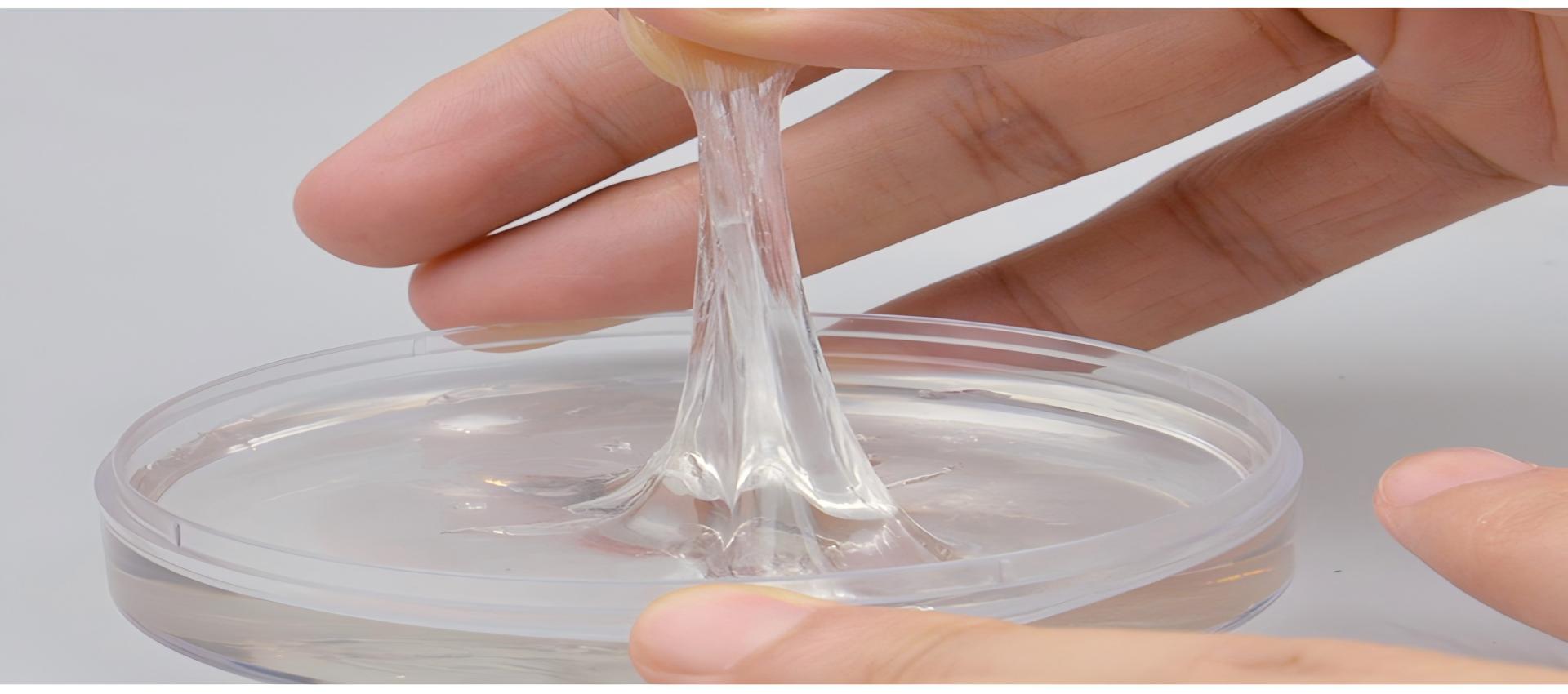
How to evaluate the impact resistance of SILICONE RESIN coatings? - Silicone Resin Factory&supplier
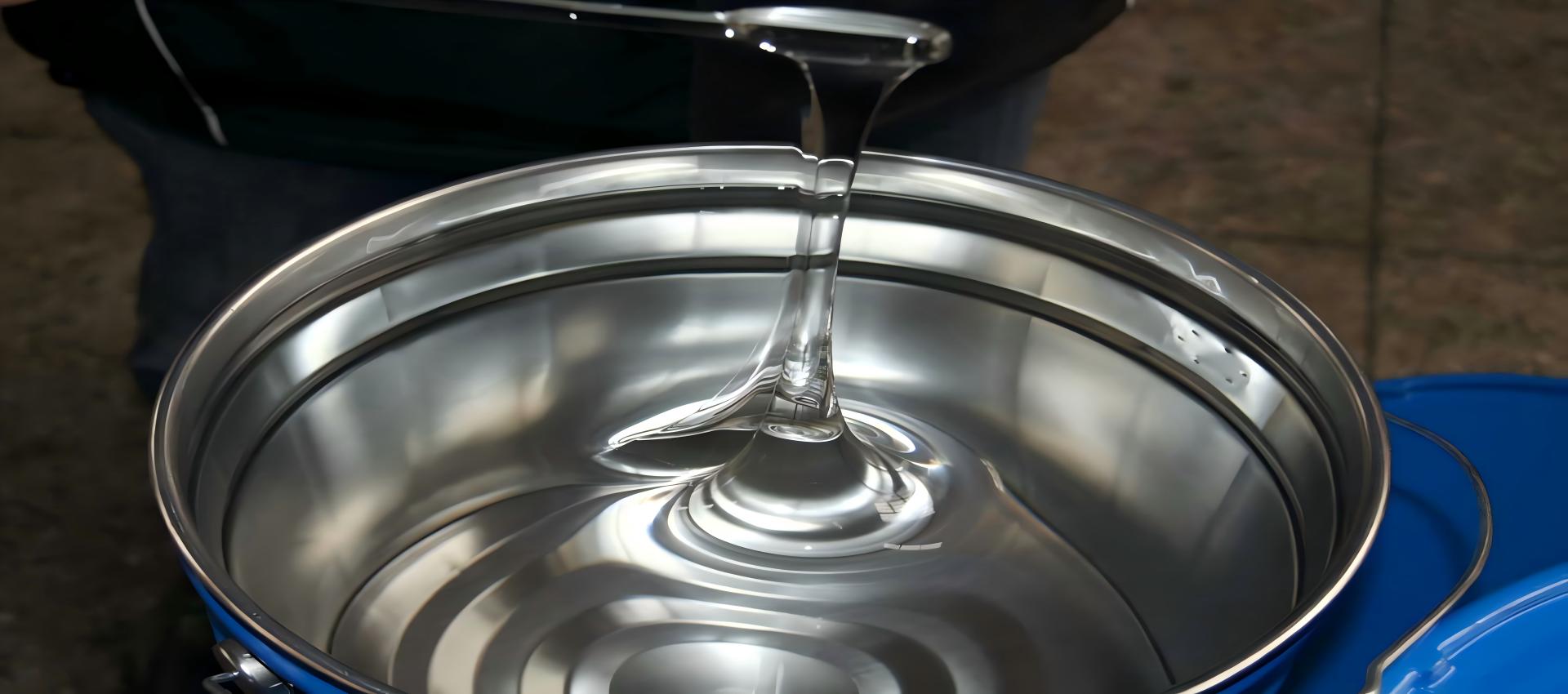
Silicone Resin
Everything you need to know about our products and company
Silicone resin coatingshave become indispensable across various industries due to their exceptional durability, weather resistance, and thermal stability. However, one of the most critical performance metrics for these coatings—particularly in demanding environments—is their impact resistance. Understanding how to properly evaluate this property ensures long-term performance and reliability for your specific application needs.
Impact resistance refers to a coating’s ability to withstand sudden force or shock without cracking, delaminating, or sustaining significant damage. For silicone resin factoryformulations, this property is crucial for maintaining protective barriers in applications ranging from aerospace components to architectural structures. When a coating lacks sufficient impact resistance, it can lead to premature failure, exposing underlying materials to corrosion, moisture, and other damaging elements.
Industries that prioritize impact-resistant coatings include:
The pencil scratch test provides a quick, standardized assessment of coating hardness, which correlates strongly with impact resistance. Following ISO 15184 standards, this method uses pencil leads of varying hardness grades drawn across the coating surface at a fixed angle and pressure. The hardest pencil grade that doesn’t mar the surface determines the coating’s scratch resistance. Research shows that silica-enhanced silicone resin coatingsdemonstrate significantly improved pencil hardness, with formulations reaching 2H or higher grades .
This method assesses a coating’s ability to absorb energy from sudden impacts. Instruments like the落镖冲击试验机 (drop dart impact tester) release a weighted dart from specified heights onto coated substrates. The test measures the energy required to cause cracking or delamination. For high-performance applications, Biyuansilicone resin formulations undergo rigorous dart impact testing to validate their durability under extreme conditions .
For brittle coatings on compliant substrates, scratch testing evaluates both surface deformation and interfacial adhesion. This method involves drawing a stylus across the coating surface under progressively increasing loads while monitoring for critical failure points. Studies indicate that silica-based sol-gel coatings—similar to advanced silicone resinformulations—exhibit tensile trailing coating cracking as the primary failure mode when subjected to scratch stress .
Sophisticated instruments like the 9350试验机 provide detailed data on material behavior under impact. These systems measure force versus displacement curves, yielding information on energy absorption, peak load capacity, and failure mechanisms. This method is particularly valuable for silicone resin factoryquality control, as it helps optimize formulations for specific impact resistance requirements .
The chemical structure of silicone resins inherently provides flexibility, but impact resistance can be significantly enhanced through strategic formulation. Adding fumed silica nanoparticles at optimal concentrations (approximately 30 parts per hundred resin) has been shown to increase tensile strength by up to 13 times compared to unmodified silicone rubber . This reinforcement creates a more robust network that distributes impact forces more effectively.
Silicone resins that cure at room temperature while developing additional cross-linking upon heat exposure exhibit superior mechanical properties. These dual-cure systems create an interpenetrating polymer network that effectively dissipates impact energy. Research on room temperature vulcanized (RTV) silicone coatings demonstrates that formulations with double crosslinking networks achieve exceptional balance between flexibility and impact resistance .
No coating performs well if it doesn’t adhere properly to the substrate. The adhesion force between coating and substrate must exceed the stresses generated during impact events. Studies show that incorporating silane coupling agents like KH550 at approximately 5 parts per hundred resin can increase adhesion force to substrates like asphalt mixture to values as high as 875 N, dramatically improving impact performance by preventing delamination .
Optimal thickness is critical—too thin, and the coating lacks the mass to absorb impact energy; too thick, and it may develop internal stresses that promote cracking. Industry standards typically specify thickness ranges based on application requirements, with impact-resistant applications often requiring thicker coatings applied in multiple layers .
DMA measures viscoelastic properties like storage modulus (elastic response) and loss modulus (viscous response) as functions of temperature, frequency, and time. These parameters directly correlate with how a coating will respond to impact events across its intended operating temperature range.
Advanced modeling techniques simulate impact events on coated substrates, predicting stress distribution and identifying potential failure points before physical testing. This approach allows Biyuanengineers to optimize silicone resin formulations for specific impact resistance requirements more efficiently .
Fracture toughness quantifies a material’s resistance to crack propagation—a critical factor in impact resistance where the goal is to prevent small imperfections from expanding into catastrophic failures. Controlled buckling tests provide reliable measurements of both coating fracture toughness and interfacial fracture toughness between coating and substrate .
In aerospace applications, silicone resin coatings protect critical components from impact by flying debris, temperature extremes, and mechanical stress. For rocket motor external thermal protection, specialized RTV silicone coatings maintain integrity under extreme thermal-mechanical stresses, demonstrating the exceptional impact resistance achievable through advanced formulation techniques .
Impact-resistant coatings are essential for building materials subjected to hail, flying debris during storms, and accidental impacts. Superhydrophobic silicone coatings on asphalt pavements not only provide anti-icing properties but also withstand vehicle traffic impacts, maintaining integrity through temperature cycles from -40°C to +125°C .
In electronics, silicone resin coatings protect delicate components from mechanical shock during handling and operation. The trend toward miniaturization increases density and vulnerability to impact damage, making impact-resistant conformal coatings increasingly critical for reliability.
Incorporating nano-sized fillers like fumed silica, organic montmorillonite (OMMT), or ceramic nanoparticles significantly enhances impact resistance by creating a composite structure that hinders crack propagation. Studies show that composites with 1.5% OMMT content exhibit optimal mechanical properties with minimal weight addition .
Combining silicone resins with other polymers creates hybrid systems leveraging the benefits of each component. For example, incorporating epoxy resins into silicone matrices has been shown to improve adhesion strength while maintaining flexibility—a key combination for impact resistance .
The curing process significantly affects the final properties of silicone resin coatings. Dual-cure systems that initiate at room temperature but continue cross-linking upon heat exposure develop more complete network structures with superior impact resistance compared to single-cure systems .
Maintaining consistent impact resistance requires rigorous quality control protocols throughout manufacturing. Biyuanimplements comprehensive testing regimens that include batch-wise impact resistance verification using standardized methods to ensure consistent performance across production runs.
Industry standards governing impact resistance evaluation include:
These standards ensure that evaluations are reproducible and comparable across different laboratories and production batches .
As applications for silicone resin coatings expand into more demanding environments, evaluation methods continue to evolve. Emerging techniques include:
The development of more sophisticated silicone resinformulations with self-healing capabilities represents perhaps the most promising advancement for impact resistance, potentially extending service life significantly after damage events .
Evaluating the impact resistance of silicone resin coatings requires a multifaceted approach incorporating standardized testing, advanced characterization, and application-specific validation. By understanding these evaluation methods and the factors that influence impact performance, manufacturers can select or develop optimized coatings for their specific requirements, ensuring long-term protection and reliability in even the most demanding applications.
Our most popular products loved by customers worldwide
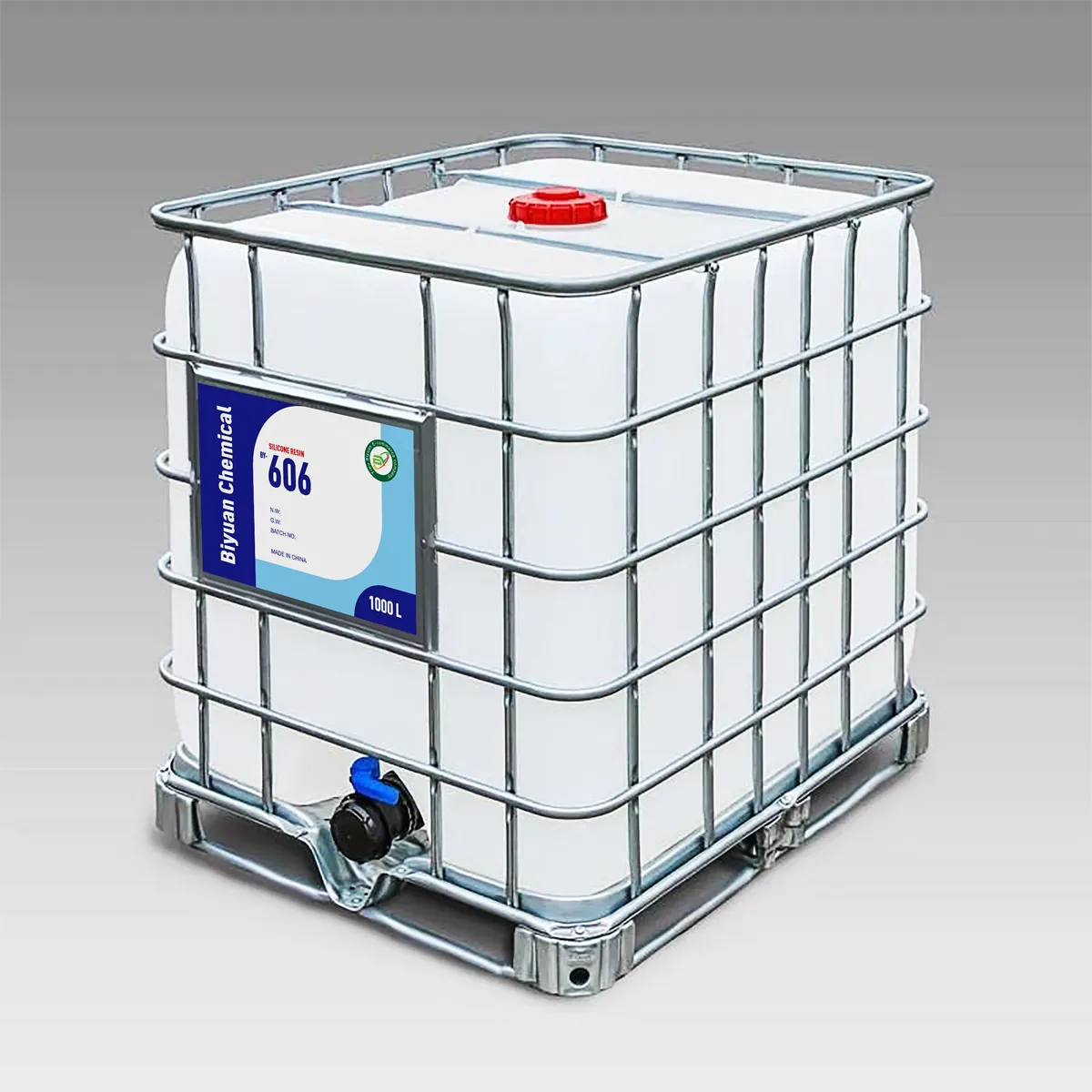
Silicone resins transform release agent technology through their exceptional thermal stability and non-stick properties. These high-performance materials create durable, cross-linked release layers that prevent adhesion in demanding molding and casting applications. The resins withstand temperatures exceeding 300°C while maintaining consistent release p.
Silicone resins deliver breakthrough performance in coating applications through their exceptional weather resistance and thermal stability. These advanced materials form durable, protective networks that maintain integrity under extreme environmental conditions, including prolonged UV exposure and temperatures ranging from -50°C to 300°C. Meeting inter.
Silicone resins significantly enhance plastic and rubber products through their unique cross-linking capabilities and surface modification properties. These high-performance additives improve thermal stability, weather resistance, and processing characteristics across various polymer systems. Meeting international industry standards, silicone resins off.
Silicone resins deliver exceptional thermal stability (up to 400°C) and mechanical strength to composite materials. These high-performance resins improve processing efficiency while enhancing electrical insulation and flame retardancy. Compatible with organic and inorganic fillers, they ensure uniform distribution and strong interfacial adhesion. The re.