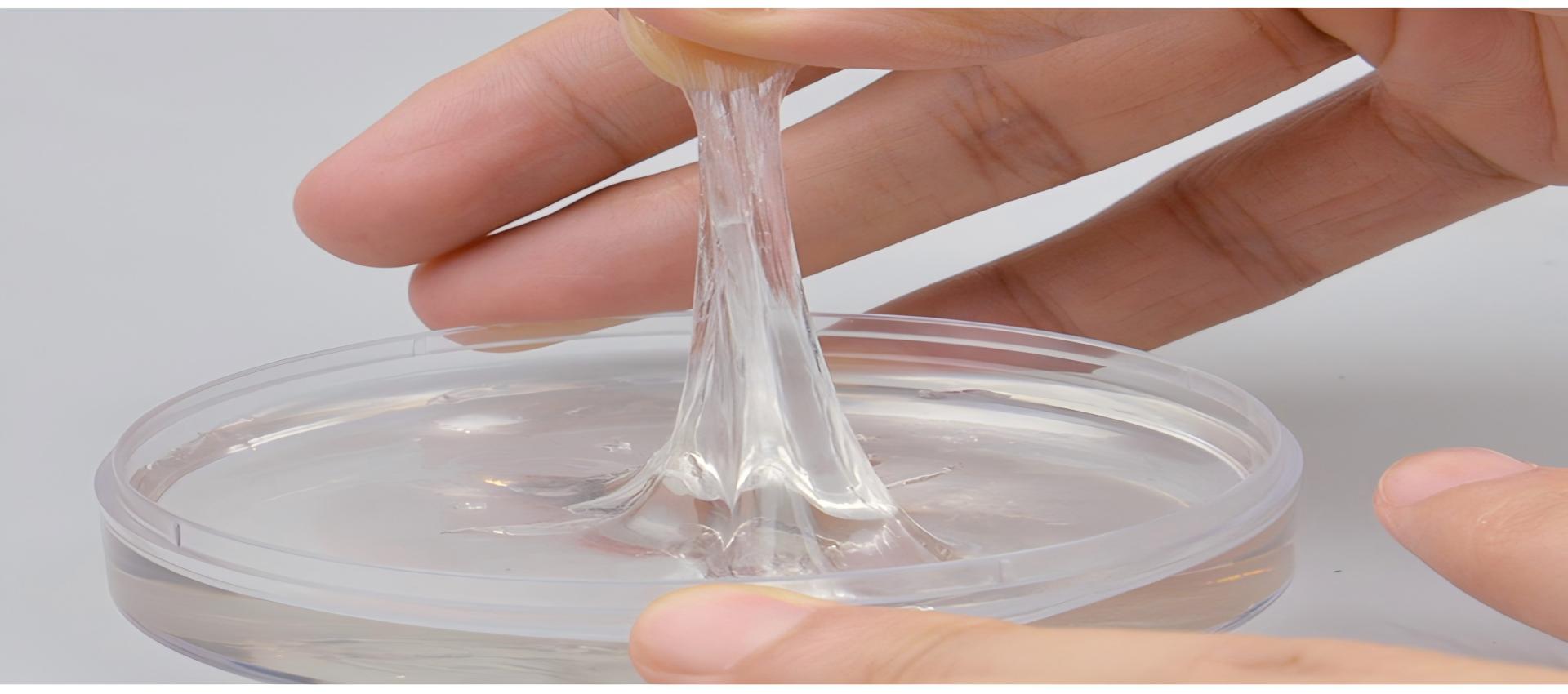
Low-Phenyl SILICONE RESIN: Ideal Properties for Low-Temperature Applications - Silicone Resin Factory&supplier
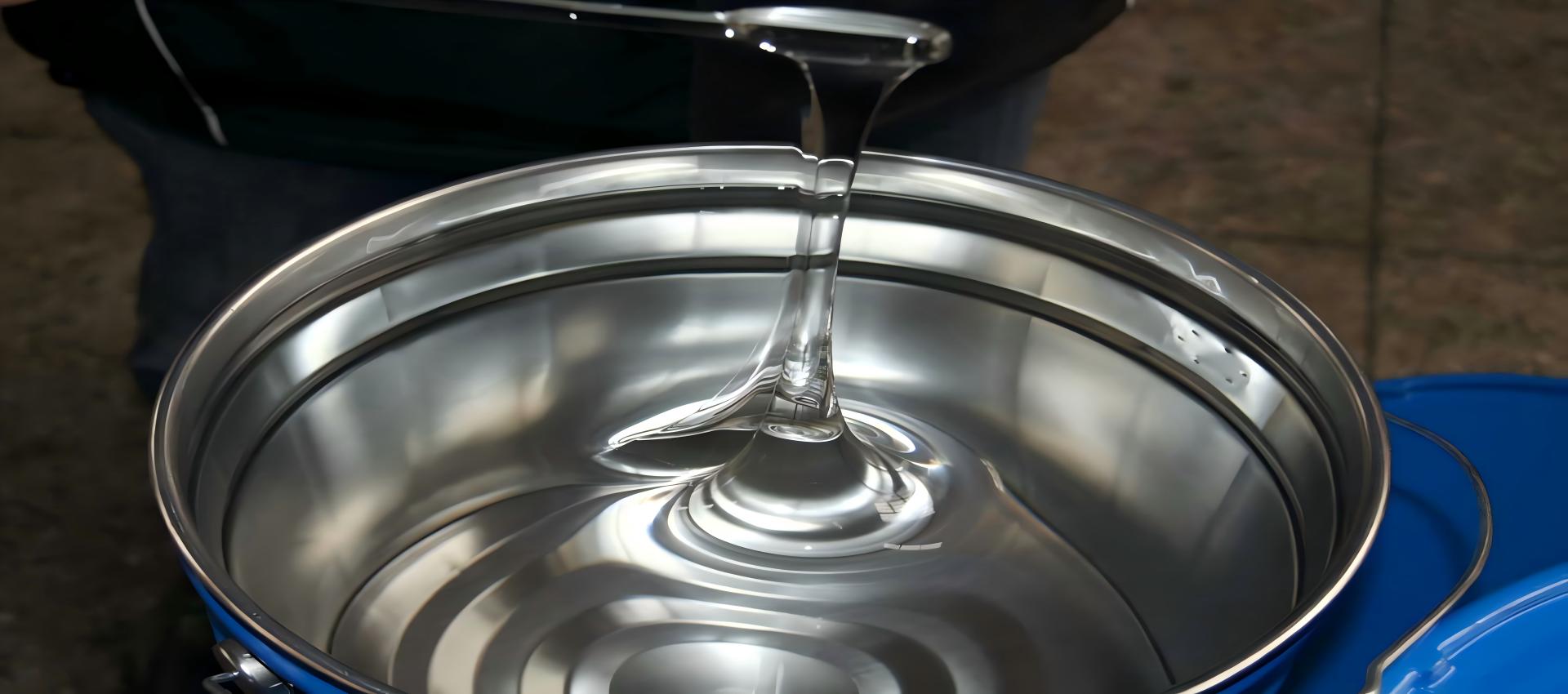
Silicone Resin
Everything you need to know about our products and company
Low-phenyl silicone resin represents a specialized class of high-performance materials engineered specifically for demanding low-temperature environments. Characterized by phenyl content ranging from 5-10% (atomic ratio of phenyl group to silicon), this advanced material exhibits exceptional flexibility and elasticity even at temperatures as low as -110°C, making it the material of choice for ultra-low temperature applications across aerospace, electronics, medical, and industrial sectors. The unique molecular structure of low-phenyl silicone resin disrupts crystallization patterns, enabling it to maintain mechanical integrity and sealing performance in extreme cold conditions where conventional materials would fail.
The global silicone resins market, valued at 4.02billionin2023,isprojectedtoreach5.43 billion by 2028, growing at a CAGR of 6.3%. This growth is driven by increasing demand from electric vehicles, aerospace applications, and the expansion of renewable energy infrastructure—all sectors that require materials capable of withstanding extreme temperature fluctuations.
Low-phenyl silicone resin demonstrates remarkable cold resistance, with a glass transition temperature (Tg) as low as -110°C. At -50°C, the material maintains excellent flexibility, with hardness increasing only marginally from Shore A 60 to Shore A 63, while the 300% tensile modulus increases by approximately 32.8%. This minimal change in mechanical properties ensures reliable performance in cryogenic environments. The compression cold resistance coefficient of 0.73 and the ability to withstand -60°C without damage in brittle temperature tests further validate its suitability for ultra-low temperature applications.
Beyond its low-temperature capabilities, low-phenyl silicone resin exhibits outstanding thermal stability, maintaining physical and chemical properties at temperatures up to 200-250°C for extended periods. In short-term exposure, it can withstand temperatures as high as 300°C. This dual capability—excellent performance at both cryogenic and elevated temperatures—makes it uniquely versatile for applications experiencing wide temperature ranges.
Silicone resins possess excellent electrical insulation characteristics, with low dielectric constant and dielectric loss across a wide temperature and frequency range. These properties remain stable even under high temperature and humidity conditions, outperforming conventional organic resins. The material’s high volume resistivity (≥1×10¹⁵ Ω·cm) makes it ideal for protecting sensitive electronic components in harsh environments.
The material demonstrates excellent resistance to most chemical reagents and solvents, maintaining performance after exposure to acids, alkalis, and various organic compounds. Its low surface tension and surface energy provide superior hydrophobicity, with minimal water absorption. Additionally, silicone resin exhibits exceptional weather resistance, with excellent UV stability and resistance to ozone degradation, ensuring long-term performance in outdoor applications.
The manufacturing of low-phenyl silicone resin involves a sophisticated multi-stage process beginning with the synthesis of organosilicon monomers. Silicon powder reacts with chlorinated hydrocarbons under high temperature and pressure, catalyzed to produce methylchlorosilane mixtures. This is followed by purification through hydrolysis and distillation to obtain high-purity dimethyl dichlorosilane monomer. The monomer undergoes hydrolysis condensation under controlled acidic or alkaline conditions to form linear polysiloxane prepolymers with uniform molecular weight distribution.
For industrial production, the base compound is mixed with reinforcing fillers (typically white carbon black), structural control agents, and peroxide vulcanizing agents in internal mixers or open mills. The mixing process involves repeated shearing and kneading to ensure uniform dispersion of fillers and raw rubber, followed by re-refining to eliminate internal stress and ensure consistent vulcanizing agent distribution.
Leading manufacturers implement rigorous quality control systems to ensure product consistency and performance. Key parameters such as Mooney viscosity and vulcanization characteristics are monitored in real-time using online monitoring equipment. The production process must be conducted in clean workshop environments to prevent impurity contamination.
Certifications typically include ISO 9001:2015 for quality management systems, UL 94 V-0 for flame retardancy, FDA 21 CFR 177.2600 for food contact applications, and ISO 10993 for medical applications. For automotive and aerospace sectors, IATF 16949 certification is essential, demonstrating compliance with stringent automotive quality standards.
In aerospace applications, low-phenyl silicone resin is used for sealing materials, gaskets, and insulation components that must withstand extreme temperature fluctuations from cryogenic fuel systems to high-temperature engine environments. The material’s radiation resistance and ablation resistance make it suitable for specialized defense applications requiring protection against high-energy radiation.
The electronics industry represents approximately 30% of the silicone resin market, driven by the material’s exceptional insulating properties and thermal stability. Applications include conformal coatings for printed circuit boards, encapsulation of sensitive electronic components, and insulation for high-voltage equipment. The proliferation of electric vehicles and 5G infrastructure is creating additional demand for silicone resins in battery systems and telecommunications equipment.
Silicone resins are widely used in medical devices due to their physiological inertness and biocompatibility. Low-phenyl formulations are particularly valuable for applications requiring low-temperature flexibility, such as blood storage seals, medical tubing, and cryogenic medical equipment. The material’s non-toxicity and compliance with medical standards (USP Class VI, ISO 10993) ensure safety for patient contact applications.
The automotive sector is experiencing rapid growth in silicone resin demand, particularly with the transition to electric vehicles. Applications include thermal management systems, battery seals, high-temperature gaskets, and electronic encapsulation. The material’s ability to withstand temperature extremes and maintain flexibility makes it ideal for EV components that experience both high operating temperatures and cold environmental conditions.
Asia-Pacific is the largest region in the silicone resins market, accounting for approximately 40% of global demand by 2033. This dominance is driven by rapid industrialization in China and India, significant infrastructure development, and the presence of major electronics manufacturing hubs. The region benefits from strong government support for manufacturing and technology development, with China emerging as a leader in silicone resin innovation and production.
North America and Europe collectively account for about 60% of the global market share, with strong demand from automotive, aerospace, and healthcare sectors. These regions are characterized by stringent regulatory requirements and a focus on high-performance, environmentally friendly materials. The transition to electric vehicles and renewable energy infrastructure is driving innovation in silicone resin formulations in these markets.
The market is witnessing several emerging trends, including the development of silicone resins for 3D printing applications, water-based and UV-cured formulations for reduced environmental impact, and smart materials with self-healing or responsive properties. The expansion of renewable energy infrastructure, particularly solar panels and wind turbines, is creating new demand for silicone resins with enhanced weather resistance and thermal stability.
Biyuan has established itself as a premier manufacturer of high-performance silicone resins, with a particular focus on low-phenyl formulations for extreme temperature applications. The company’s commitment to research and development has resulted in advanced materials that meet the most demanding industry requirements.
Biyuan offers a comprehensive range of low-phenyl silicone resins with phenyl content precisely controlled between 5-10%, ensuring optimal low-temperature performance. The company’s products are characterized by their exceptional flexibility at cryogenic temperatures, with Tg values consistently below -110°C. Biyuan’s formulations maintain excellent mechanical properties across a wide temperature range, from -110°C to 250°C, making them suitable for applications experiencing thermal cycling.
The company’s product portfolio includes both methyl silicone resins and methylphenyl silicone resins, with formulations tailored for specific applications. For medical and food-contact applications, Biyuan offers FDA-compliant and USP Class VI certified grades. For automotive and aerospace applications, the company provides materials certified to IATF 16949 and aerospace standards.
Biyuan operates state-of-the-art manufacturing facilities equipped with advanced mixing, compounding, and quality control equipment. The company’s production process incorporates real-time monitoring of key parameters, including viscosity, curing characteristics, and mechanical properties, ensuring batch-to-batch consistency. All products undergo rigorous testing for thermal stability, electrical properties, chemical resistance, and low-temperature performance.
The company maintains comprehensive quality management systems certified to ISO 9001:2015, with additional certifications for specific industry requirements. Biyuan’s materials are tested and validated against international standards, including UL, ASTM, and IEC specifications.
Biyuan’s R&D team continuously works on developing next-generation silicone resin formulations. Current research focuses on improving low-temperature flexibility, enhancing thermal stability, reducing curing temperatures, and developing environmentally friendly formulations with lower VOC content. The company collaborates with academic institutions and industry partners to stay at the forefront of silicone resin technology.
With a global distribution network and technical support team, Biyuan serves customers across multiple industries and regions. The company provides comprehensive technical assistance, including material selection guidance, application engineering support, and custom formulation development. Biyuan’s customer-centric approach includes rapid response times, custom packaging options, and just-in-time delivery capabilities to meet the specific needs of each client.
Low-phenyl silicone resin represents a critical material solution for applications requiring exceptional performance in extreme low-temperature environments. With its unique combination of cryogenic flexibility, thermal stability, electrical insulation, and chemical resistance, this material enables innovation across aerospace, electronics, medical, and automotive sectors. The global market for silicone resins continues to grow, driven by technological advancements and increasing demand from emerging applications.
Biyuan’s expertise in low-phenyl silicone resin technology, combined with its commitment to quality, innovation, and customer support, positions the company as a trusted partner for organizations seeking reliable material solutions for their most challenging applications. As industries continue to push the boundaries of performance in extreme environments, low-phenyl silicone resin will play an increasingly vital role in enabling next-generation technologies and applications.
Our most popular products loved by customers worldwide
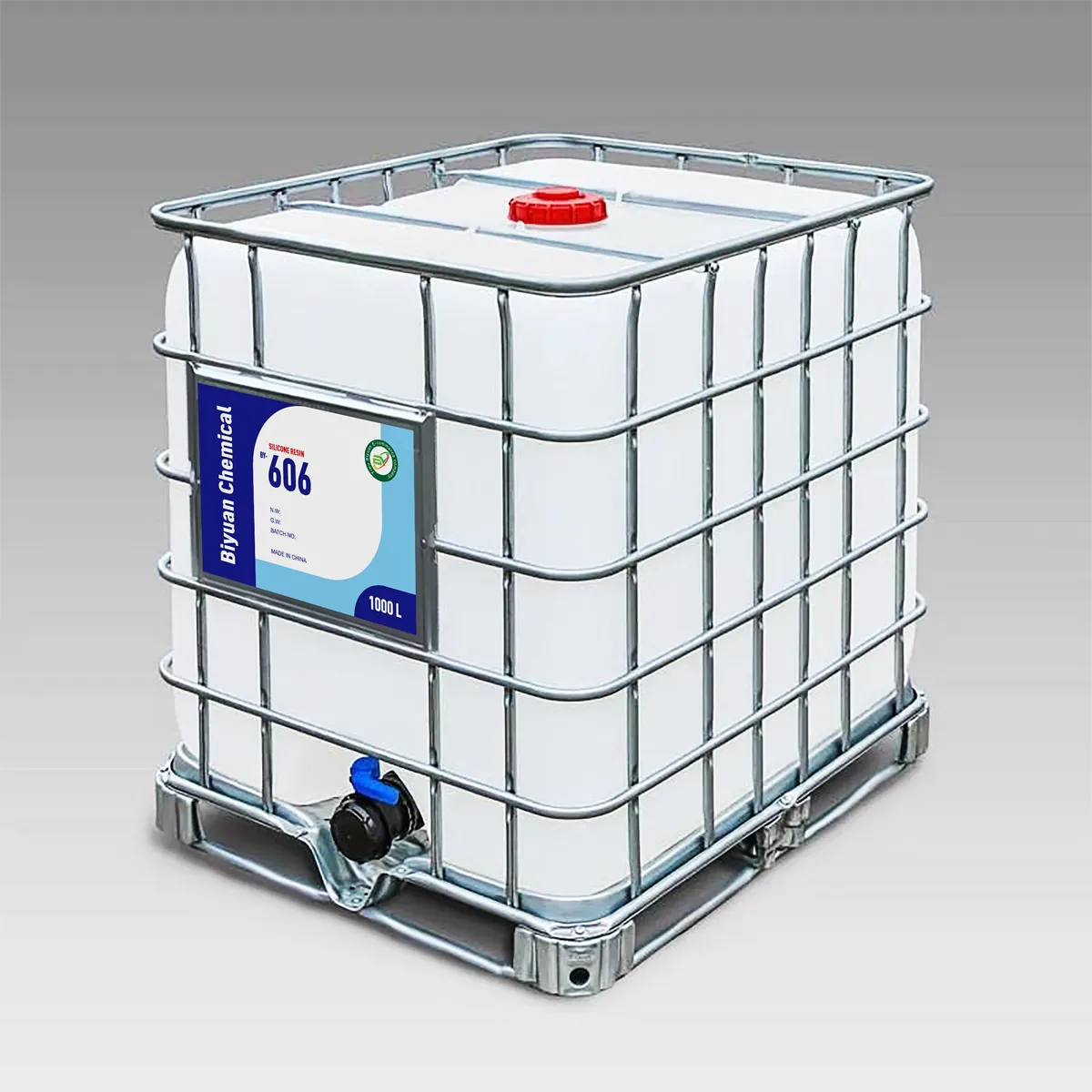
Silicone resins transform release agent technology through their exceptional thermal stability and non-stick properties. These high-performance materials create durable, cross-linked release layers that prevent adhesion in demanding molding and casting applications. The resins withstand temperatures exceeding 300°C while maintaining consistent release p.
Silicone resins deliver breakthrough performance in coating applications through their exceptional weather resistance and thermal stability. These advanced materials form durable, protective networks that maintain integrity under extreme environmental conditions, including prolonged UV exposure and temperatures ranging from -50°C to 300°C. Meeting inter.
Silicone resins significantly enhance plastic and rubber products through their unique cross-linking capabilities and surface modification properties. These high-performance additives improve thermal stability, weather resistance, and processing characteristics across various polymer systems. Meeting international industry standards, silicone resins off.
Silicone resins deliver exceptional thermal stability (up to 400°C) and mechanical strength to composite materials. These high-performance resins improve processing efficiency while enhancing electrical insulation and flame retardancy. Compatible with organic and inorganic fillers, they ensure uniform distribution and strong interfacial adhesion. The re.