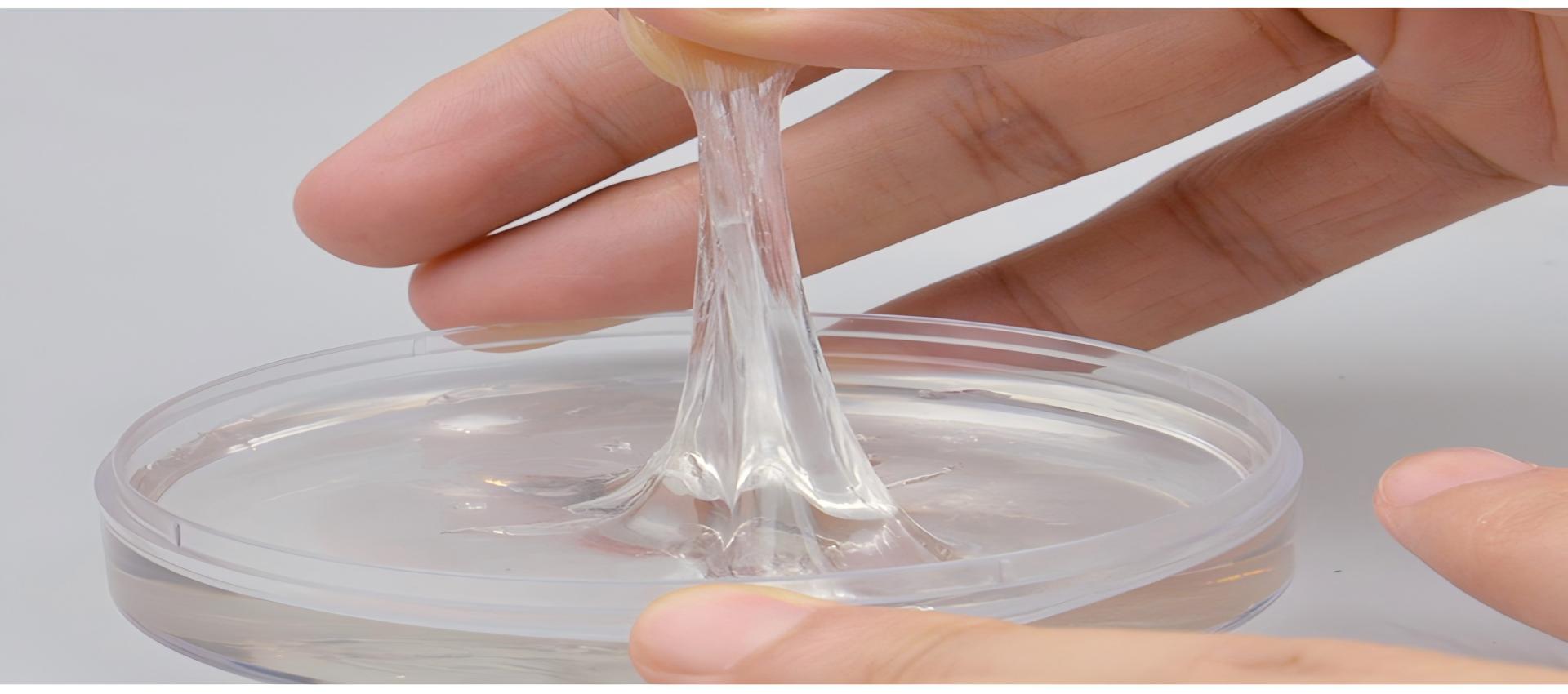
Methyl vs. Phenyl SILICONE RESIN: Choosing the Right Type for Your Application - Silicone Resin Factory&supplier
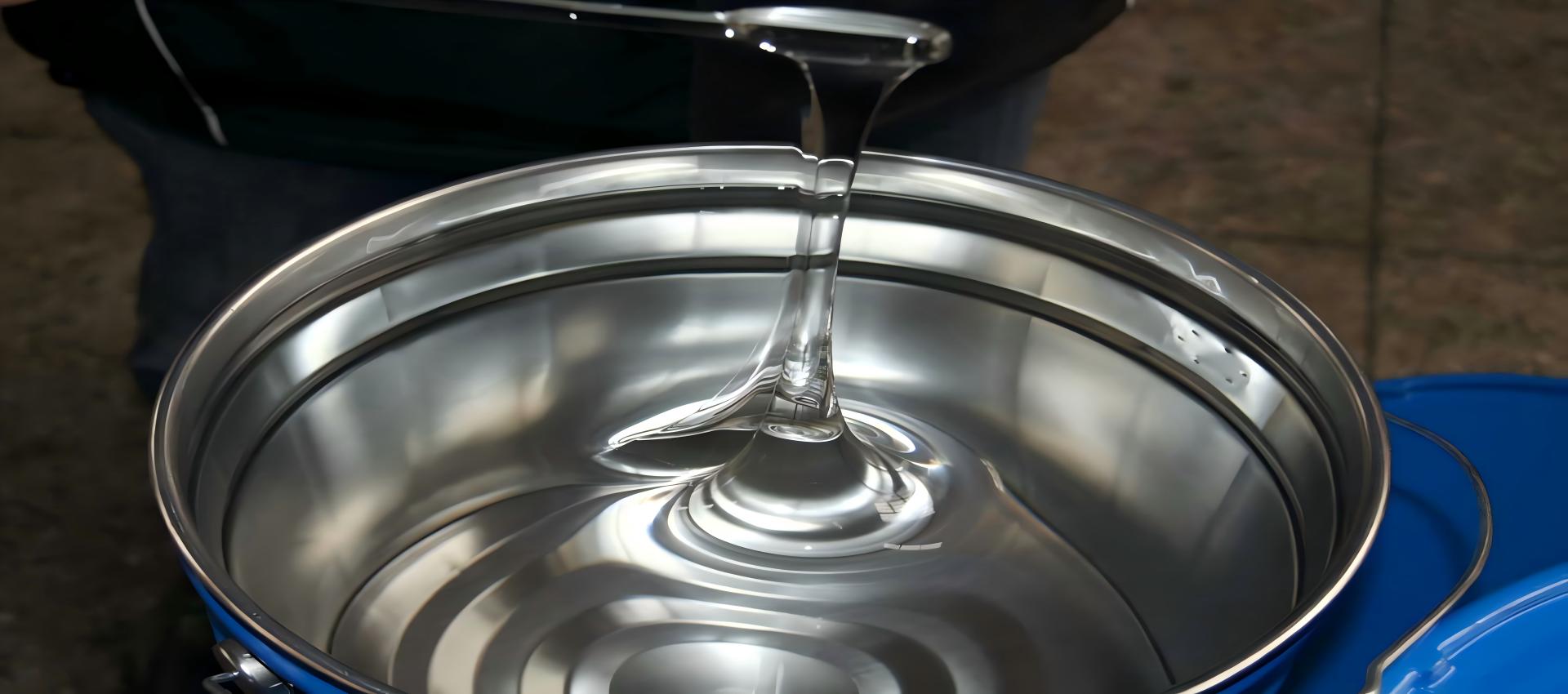
Silicone Resin
Everything you need to know about our products and company
In the world of high-performance industrial materials, silicone resins stand out for their exceptional thermal stability, electrical properties, and environmental resistance. Among these, methyl and phenyl silicone resins represent two of the most technologically significant categories, each with distinct characteristics that make them suitable for specific applications. Understanding their differences is crucial for manufacturers, formulators, and engineers seeking optimal material solutions for demanding environments.
At their core, both methyl and phenyl silicone resins share a semi-inorganic backbone consisting of alternating silicon and oxygen atoms (Si-O), which provides inherent thermal stability and chemical resistance. The critical difference lies in their side groups: methyl silicone resins feature methyl groups (-CH₃) attached to the silicon atoms, while phenyl silicone resins incorporate phenyl groups (-C₆H₅) as part of their molecular structure.
This structural variation translates to significantly different material properties. Methyl silicone resins typically offer higher flexibility and demonstrate better water repellency, making them ideal for applications requiring waterproofing and movement tolerance. The compact methyl groups allow for tighter molecular packing, resulting in generally harder surface finishes. In contrast, the bulkier phenyl groups create molecular spacing in the polymer structure, enhancing flexibility and leading to superior thermal stability and radiation resistance. The phenyl groups act as internal plasticizers, allowing phenyl silicone resins to maintain elasticity across a wider temperature range .
The thermal performance disparity is particularly noteworthy. While methyl silicone resins can withstand temperatures up to approximately 250-300°C, phenyl silicone resins extend this range significantly, with some formulations stable at 400°C and beyond. This makes phenyl variants indispensable for extreme-temperature applications in aerospace, automotive, and industrial heating systems. The phenyl groups also contribute to better compatibility with organic polymers, facilitating the creation of high-performance hybrid materials .
Phenyl silicone resins demonstrate superior thermal performance, a characteristic driven by the robust aromatic rings in their chemical structure. The temperature corresponding to 5% weight loss (Td₅) for advanced phenyl silicone formulations can exceed 643°C, with residual mass yields at 800°C reaching up to 94.7% in specialized compounds. Methyl silicone resins, while less thermally robust than their phenyl counterparts, still offer significant high-temperature performance, with char yields at 800°C potentially exceeding 80% in optimized formulations. This exceptional thermal stability makes both resins valuable for protective coatings in high-temperature environments, with phenyl variants extending the application range to more extreme conditions .
The mechanical behavior of these two resin types varies considerably. Methyl silicone resins typically yield harder, more rigid coatings with enhanced abrasion resistance. Phenyl silicone resins, benefiting from the internal plasticizing effect of phenyl groups, exhibit greater flexibility and impact resistance—with some formulations achieving impact strength of 104.5 kJ/m². This flexibility retention at both high and low temperatures makes phenyl silicone resins particularly valuable for applications subject to thermal cycling .
Electrically, both resin types offer excellent dielectric properties, but with subtle differences. Methyl silicone resins generally display slightly lower dielectric constants, potentially advantageous for high-frequency applications. Phenyl silicone resins maintain their dielectric stability across a broader temperature range, with minimal change in dielectric constant and loss tangent even at elevated temperatures. This consistent electrical performance, combined with superior thermal endurance, makes phenyl silicone resins preferred for high-temperature electrical insulation systems .
Methyl silicone resins typically deliver stronger hydrophobic characteristics, with water contact angles potentially exceeding 150° when appropriately formulated with additives like mesoporous silica. This superhydrophobicity affords excellent water repellency and anti-contamination properties. Phenyl silicone resins, while still hydrophobic, generally show moderately lower contact angles but offer superior resistance to UV radiation and environmental aging due to the protective effect of the aromatic rings. The enhanced organic compatibility of phenyl silicone resins facilitates integration with other polymer systems, enabling the creation of high-performance hybrids such as silicone-epoxy and silicone-polyester resins .
The manufacturing processes for both methyl and phenyl silicone resins begin with similar precursor routes, typically involving chlorosilane hydrolysis and subsequent condensation polymerization. However, the incorporation of phenyl groups necessitates modified reaction conditions, including controlled temperature profiles and specialized catalysts, to manage the reactivity differences between methyl and phenyl chlorosilanes.
Industrial-scale production requires precise parameter control to ensure consistent quality. Modern manufacturing facilities, like the advanced production bases being developed by industry leaders, employ computer-controlled reaction systems with automated feed systems and real-time monitoring. These sophisticated processes ensure batch-to-batch consistency critical for industrial applications. The transition toward continuous manufacturing processes represents a significant advancement, offering improved efficiency and reduced energy consumption compared to traditional batch processes .
Quality control measures throughout production include monitoring viscosity, molecular weight distribution, and residual hydroxyl content—factors that significantly influence final product performance. Post-synthesis modifications, such as blending with other resins (furan, epoxy) or incorporating fillers (mesoporous silica, zinc oxide), further expand the property range achievable with both methyl and phenyl silicone resin platforms. The global push toward more environmentally friendly production methods has driven innovation in solvent-free and water-based silicone resin systems, balancing performance with regulatory compliance .
For electrical insulation applications requiring continuous high-temperature operation, such as in electric vehicle motors, aerospace electrical systems, and high-performance transformers, phenyl silicone resins are generally preferred due to their superior thermal endurance and dielectric stability. Their ability to maintain electrical properties at temperatures exceeding 200°C makes them indispensable in these demanding applications. Methyl silicone resins find their niche in situations where higher hardness and improved abrasion resistance are prioritized alongside moderate temperature resistance .
In protective coating formulations, methyl silicone resins excel in applications requiring maximum water repellency, chemical resistance, and surface hardness. Their exceptional hydrophobicity makes them ideal for exterior architectural coatings, marine applications, and infrastructure protection where water ingress prevention is critical. The incorporation of mesoporous silica nanoparticles can further enhance hydrophobicity, potentially creating superhydrophobic surfaces with water contact angles exceeding 150° .
Phenyl silicone resins dominate high-temperature coating applications, including exhaust systems, industrial ovens, engine components, and cookware. Their oxidative resistance at elevated temperatures prevents degradation and maintains protective properties over extended service periods. Additionally, phenyl silicone resins demonstrate better compatibility with organic resin modifiers, enabling the formulation of hybrid coatings that balance silicone-based thermal stability with the mechanical strength of epoxy or polyester resins .
The selection criteria for adhesive and sealant applications revolve largely around flexibility requirements and service temperature ranges. Phenyl silicone resins, with their inherent plasticity, produce adhesives with greater fracture toughness and improved impact resistance—critical for applications subject to mechanical stress or thermal cycling. The exceptional high-temperature performance of phenyl-containing systems makes them the material of choice for aerospace sealants and automotive gasketing applications .
Market data indicates growing demand for both resin types in photovoltaic sealants, with phenyl silicone variants particularly valued for their long-term weathering resistance and durability in solar panel encapsulation. The global push toward renewable energy has driven increased production capacity, with major facilities like the Ruiji Silicon Rubber Industrial Park in China’s Hubei province aiming for annual production scales of 200,000 tons specifically for photovoltaic applications .
The global silicone resin market continues to demonstrate robust growth, particularly in the Asia-Pacific region where expanding electronics, automotive, and renewable energy sectors drive demand. Industry analyses project continued market expansion at a compound annual growth rate exceeding 5%, fueled by increasing adoption in high-temperature insulation, environmentally friendly coatings, and renewable energy applications.
The photovoltaic sector represents a particularly dynamic market segment, with phenyl silicone-based sealants capturing increasing market share due to their demonstrated 25-year service life capability—matching the warranty period typically offered for solar panels. Production capacity expansions for photovoltaic sealants are underway globally, with leading manufacturers scaling up to meet projected demand .
Regulatory trends continue to shape material development, with increasing emphasis on reducing volatile organic compound (VOC) emissions and eliminating hazardous substances. This regulatory landscape favors the development of high-solids, water-based, and solvent-free silicone resin systems, with both methyl and phenyl variants adapting to these new requirements. The trend toward functional integration—combining thermal, electrical, and mechanical properties in single-material systems—continues to drive innovation across the silicone resin industry .
Within this evolving landscape, Biyuan has established itself as a technology leader in silicone resin development and manufacturing. With decades of specialized experience, Biyuan’s product portfolio encompasses both standard methyl and phenyl silicone resins alongside specialized formulations tailored to specific industrial requirements. The company’s recently expanded production facilities incorporate advanced process control systems and real-time quality monitoring, ensuring batch-to-batch consistency critical for industrial customers.
Biyuan’s research and development focus includes advancing hybrid resin technology that combines the optimal properties of methyl and phenyl silicone resins with complementary polymer systems. Recent innovations include high-thermal-stability phenyl silicone resins for electric vehicle battery encapsulation and flexible methyl silicone resins for wearable electronics. The company’s technical collaboration with leading academic institutions has yielded numerous patented technologies, particularly in the realm of environmentally friendly manufacturing processes and functionalized silicone resins with enhanced adhesive properties .
Biyuan’s global outlook is evidenced by its compliance with international certification standards, including ISO 9001 quality management systems and specific industry certifications for electronics, automotive, and medical applications. This compliance framework ensures that materials sourced from Biyuan integrate seamlessly into global supply chains, with documentation and traceability meeting the most stringent international requirements. As the silicone resin market continues to evolve, Biyuan’s commitment to research-driven innovation positions the company at the forefront of material development for next-generation industrial applications .
The selection between methyl and phenyl silicone resins represents a critical technical decision with significant implications for product performance, durability, and compliance. Methyl silicone resins offer advantages in hardness, hydrophobicity, and chemical resistance, while phenyl variants excel in thermal stability, flexibility, and radiation resistance. The ongoing evolution of both resin families continues to expand their application potential across diverse industrial sectors. As market demands grow increasingly sophisticated, manufacturers who deeply understand these material differences will hold a competitive advantage in developing high-performance products for demanding applications .
Our most popular products loved by customers worldwide
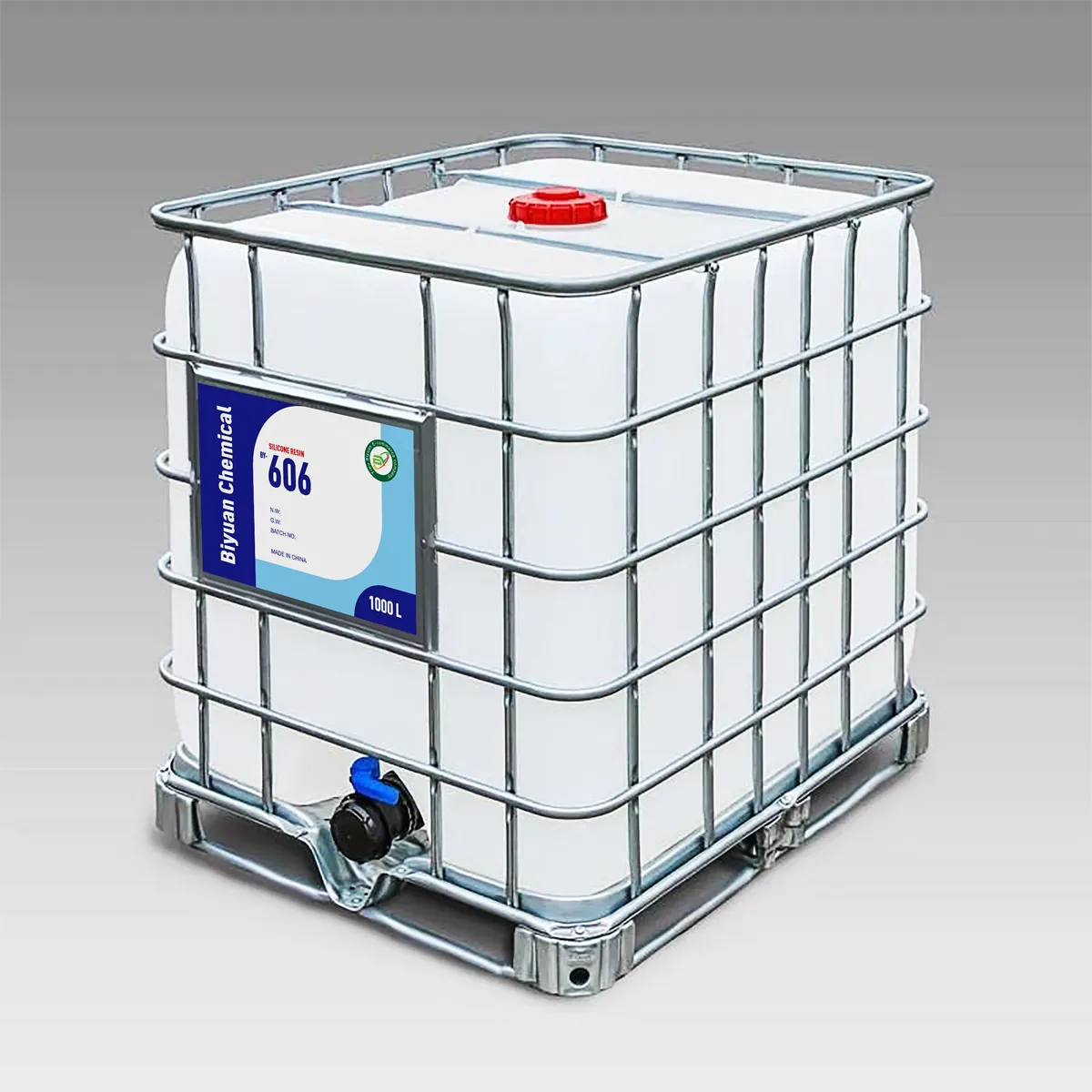
Silicone resins transform release agent technology through their exceptional thermal stability and non-stick properties. These high-performance materials create durable, cross-linked release layers that prevent adhesion in demanding molding and casting applications. The resins withstand temperatures exceeding 300°C while maintaining consistent release p.
Silicone resins deliver breakthrough performance in coating applications through their exceptional weather resistance and thermal stability. These advanced materials form durable, protective networks that maintain integrity under extreme environmental conditions, including prolonged UV exposure and temperatures ranging from -50°C to 300°C. Meeting inter.
Silicone resins significantly enhance plastic and rubber products through their unique cross-linking capabilities and surface modification properties. These high-performance additives improve thermal stability, weather resistance, and processing characteristics across various polymer systems. Meeting international industry standards, silicone resins off.
Silicone resins deliver exceptional thermal stability (up to 400°C) and mechanical strength to composite materials. These high-performance resins improve processing efficiency while enhancing electrical insulation and flame retardancy. Compatible with organic and inorganic fillers, they ensure uniform distribution and strong interfacial adhesion. The re.