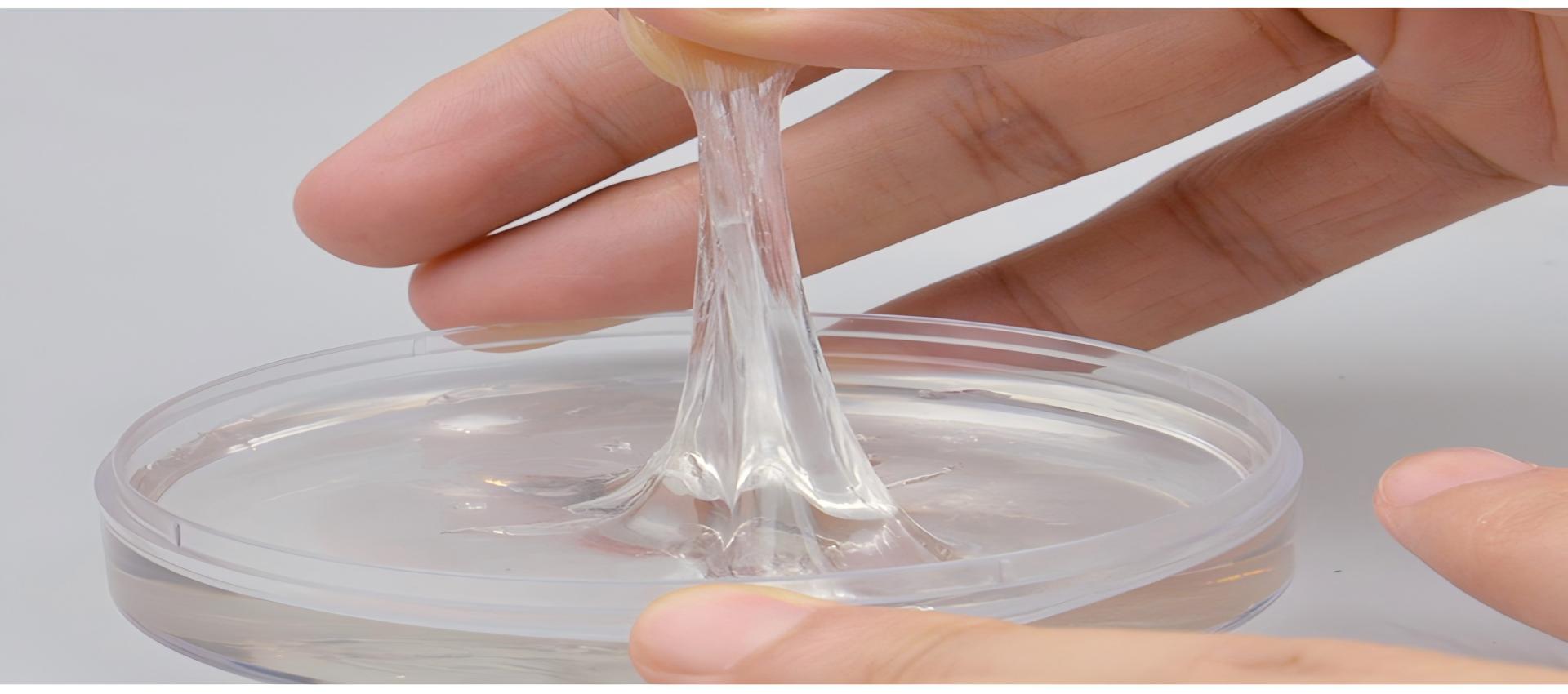
Self-Healing SILICONE RESIN Coatings: Reducing Maintenance Costs in Infrastructure - Silicone Resin Factory&supplier
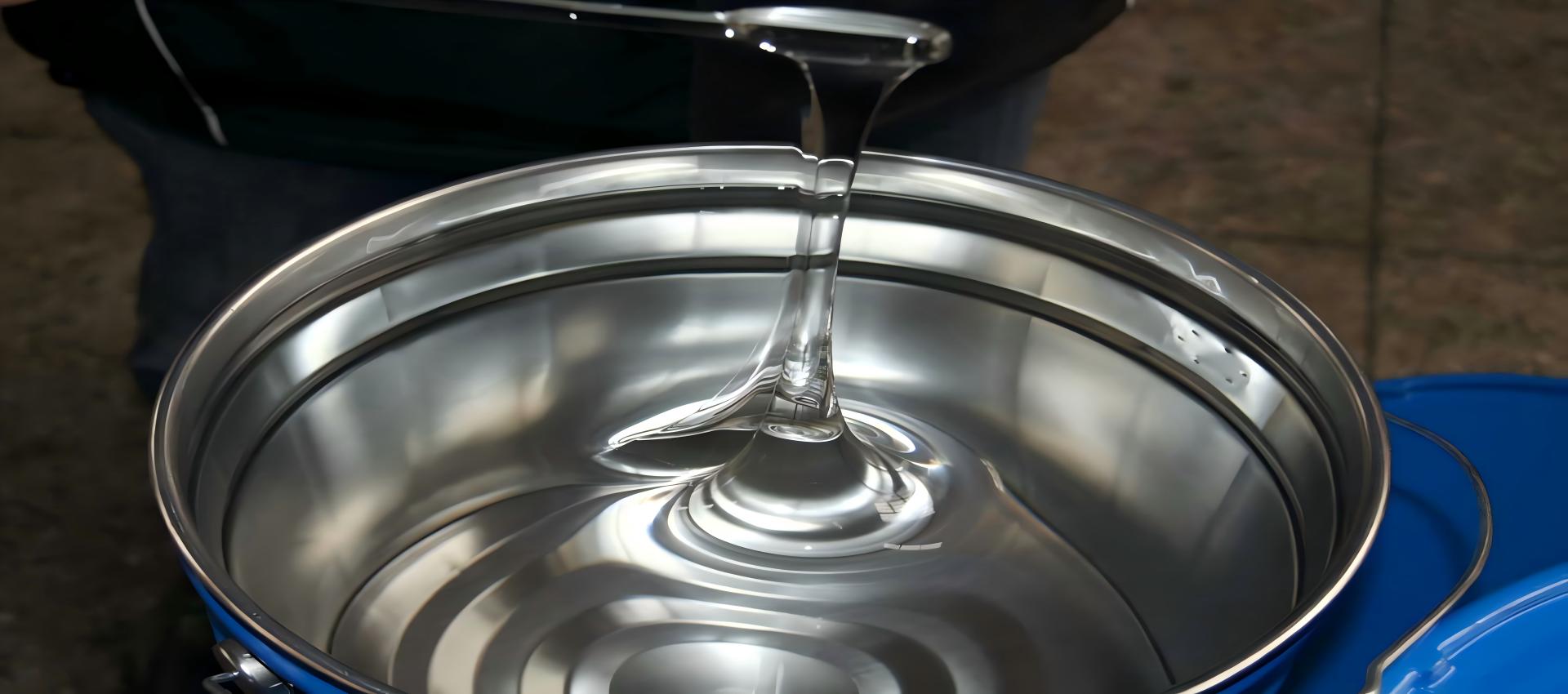
Silicone Resin
Everything you need to know about our products and company
In the realm of infrastructure protection, a remarkable innovation is transforming how we approach maintenance and durability: self-healing silicone resin coatings. These advanced materials represent a significant leap forward from traditional protective solutions, offering the unique ability to autonomously repair damage and extend service life while significantly reducing maintenance costs. As global infrastructure ages and maintenance budgets stretch thinner, these intelligent coatings present a timely solution for civil engineers, infrastructure managers, and protective coating specialists seeking sustainable protection strategies.
The development of self-healing coatings draws inspiration from biological systems, where damage triggers an automatic repair response. When applied to silicone resins—already renowned for their durability, weather resistance, and flexibility—this self-healing capability creates a powerful combination that addresses one of the most persistent challenges in infrastructure maintenance: the inevitable deterioration of protective surfaces over time .
Self-healing silicone resins utilize two primary mechanisms to achieve their remarkable repair capabilities: microencapsulation and intrinsic molecular restructuring. The microencapsulation approach involves dispersing microscopic capsules containing healing agents throughout the silicone resin matrix. When damage occurs, these capsules rupture and release their contents into the damaged area, effectively filling and sealing cracks. Research has demonstrated microcapsules with mean diameters of 16-18 microns embedded within poly(melamine urea formaldehyde) shells, containing specialized silicone resins that can achieve self-healing efficiencies of up to 90% compared to standard coatings .
The intrinsic approach relies on reversible chemical bonds within the silicone polymer network itself. These include dynamic covalent bonds such as disulfide bonds, as well as non-covalent interactions like hydrogen bonding and coordination bonds. When damage occurs, these bonds can reversibly break and reform, allowing the material to mend itself without additional healing agents. Recent advancements have focused on aromatic disulfide bonds, which exhibit rapid exchange reactions at room temperature, providing excellent self-healing capability while maintaining the coating’s stability .
The synergy between flexible silicone resins and these self-healing mechanisms creates coatings that not only provide excellent initial protection but also maintain their integrity over extended periods through continuous self-repair processes. This is particularly valuable for infrastructure applications where ongoing exposure to environmental stressors would quickly degrade conventional materials.
The application of self-healing silicone resin coatings offers multiple technical advantages that directly translate to reduced maintenance costs and extended service life for infrastructure assets. The superhydrophobic properties achieved through careful formulation create water contact angles reaching 165°, with contact angle hysteresis values as low as 3.6°, verifying exceptional water repellency that protects underlying structures from moisture-related damage . This extreme water resistance is particularly valuable for bridges, coastal structures, and water treatment facilities where constant moisture exposure accelerates deterioration.
The corrosion protection afforded by these coatings has been demonstrated through rigorous testing, with self-healing systems maintaining effectiveness after 130 days of immersion in 3.5% NaCl solution—a critical advantage for infrastructure in corrosive environments such as marine settings or regions using de-icing salts . The incorporation of hydrophobic deep eutectic solvents (HDES) into silicone-modified epoxy resins has shown particularly promising results, enabling coatings to repair damage in as little as 30 minutes to 1 hour, even underwater .
From a mechanical durability perspective, these coatings withstand significant abrasion, impact, and environmental stress while retaining their protective functions. The incorporation of reinforcing agents such as aligned carbon nanotube bundles (ACNTB) creates hierarchically structured coatings with exceptional toughness, while the inherent flexibility of silicone resins allows them to accommodate structural movements without cracking—a common failure point for rigid coatings .
The economic argument for self-healing silicone resin coatings centers on their ability to dramatically reduce life-cycle costs for infrastructure assets. While the initial application cost may be higher than conventional coatings, the long-term savings emerge through significantly extended maintenance intervals, reduced material consumption for repairs, and minimized operational disruptions. For transportation infrastructure especially, where maintenance activities often require lane closures and traffic management, the indirect savings from avoided disruptions can exceed the direct maintenance savings.
The self-healing efficiency of these coatings has been quantified through various metrics, with charge transfer resistance (Rct) data indicating healing efficiencies reaching up to 90% compared to non-healing alternatives . This translates to substantially extended protection before recoatings become necessary—in some cases potentially doubling or tripling the maintenance-free service life of protective coatings. For infrastructure managers operating with constrained budgets, this extended service life provides valuable predictability in maintenance planning and resource allocation.
The financial benefits become particularly pronounced when considering hard-to-access infrastructure elements such as bridge cables, high-rise building facades, and offshore structures, where access for maintenance or repair involves substantial logistical challenges and costs. By extending the time between necessary interventions, self-healing coatings reduce both the frequency of these complex operations and the associated safety risks for maintenance personnel.
The production of high-performance self-healing silicone resins requires sophisticated manufacturing capabilities and strict quality control protocols. specialized silicone resin factories employ precise compounding processes where raw materials are carefully measured and mixed to ensure consistency in the final product. This is followed by shaping through advanced methods such as compression or injection molding, where heat and pressure are applied to achieve the desired material properties .
The vulcanization process represents a critical stage in manufacturing, transforming the base polymer into a durable, cross-linked material with enhanced physical properties. Factories producing these specialized coatings implement rigorous quality inspection regimes including visual examinations for defects, precise dimensional measurements, and comprehensive testing of mechanical properties such as hardness and tensile strength . These quality assurance processes are essential for ensuring that the self-healing capabilities are consistently maintained across production batches.
Leading manufacturers recognize that the performance of self-healing coatings depends not just on formulation but also on precise application-specific customization. Parameters such as microcapsule size and distribution, polymer cross-linking density, and additive packages must be optimized for intended service conditions—whether for concrete protection, metal anti-corrosion, or specialized applications requiring additional properties like anti-icing capabilities .
The global market for self-healing coatings reflects growing recognition of their value across diverse infrastructure sectors. Regions with extensive coastal infrastructure—facing challenges from saltwater corrosion—and areas with extreme weather patterns show particularly strong adoption rates. The technology has gained traction in Europe and North America for bridge protection, in Asia for coastal infrastructure, and increasingly in the Middle East for structures exposed to harsh desert conditions.
Application diversity continues to expand as formulations evolve to address specific challenges. In the transportation sector, self-healing silicone coatings protect bridge cables and decks, tunnel linings, and parking structures from corrosion and environmental damage. For water infrastructure, they provide critical protection for treatment tanks, pipes, and marine structures. In the energy sector, they safeguard power transmission infrastructure, offshore platforms, and renewable energy installations .
The technology has proven particularly valuable for protecting historical structures and architectural landmarks, where minimizing intrusive maintenance is essential for preservation. The ability to provide continuous protection without frequent disruptive interventions makes these coatings especially suitable for culturally significant infrastructure where preservation concerns limit conventional maintenance approaches.
Recent research has yielded significant advances in self-healing silicone resin technology, particularly through the integration of novel materials and mechanisms. The incorporation of hydrophobic deep eutectic solvents (HDES) into silicone-modified epoxy resins represents a particularly promising direction. This approach creates a “confined flow” effect at the molecular level, where the HDES acts as a fluid phase that migrates toward damage sites, facilitating rapid self-repair while the silicone resin matrix provides structural stability .
Another innovation involves the use of dynamic disulfide bonds within the polymer network. These bonds can undergo reversible exchange reactions at room temperature, enabling repeated self-healing cycles without external energy input. When combined with the inherent flexibility of silicone resins, this creates coatings that can autonomously repair scratches and cracks while maintaining excellent adhesion to substrates—a critical combination for infrastructure applications where environmental stresses continuously challenge coating integrity .
The development of multifunctional coatings that combine self-healing with additional properties such as anti-icing, fouling resistance, or thermal regulation further expands application possibilities. For instance, researchers have created coatings with hierarchically structured surfaces using modified SiO2-decorated aligned carbon nanotube bundles, achieving both self-healing capabilities and superhydrophobicity with water contact angles exceeding 166° . These advanced formulations address multiple protection needs simultaneously, enhancing their value proposition for infrastructure applications.
At the forefront of these technological advances is Biyuan, a research-driven manufacturer specializing in high-performance silicone resins. Biyuan’s approach integrates material science expertise with application engineering, developing self-healing formulations specifically optimized for infrastructure protection challenges. Their research and development focus on enhancing both the autonomous healing capabilities of their coatings and their long-term durability under real-world service conditions.
Biyuan’s manufacturing philosophy emphasizes precision at every stage, from raw material selection through compounding, molding, and quality assurance. Their production facilities employ advanced automation and process control systems to ensure consistency in the complex chemical formulations required for effective self-healing performance. This controlled manufacturing environment is particularly critical for ensuring the proper formation and distribution of microcapsules in extrinsic self-healing systems, where capsule integrity directly impacts coating performance .
Through strategic partnerships with research institutions, Biyuan has contributed to advancing the fundamental science of self-healing polymers while developing practical solutions for infrastructure applications. Their recent work on optimizing the balance between healing responsiveness and long-term stability addresses one of the key challenges in the field—creating materials that are sufficiently dynamic to enable self-repair while maintaining the stability required for long-term protection . This research-informed approach to product development positions Biyuan as an innovator in the rapidly evolving field of functional protective coatings.
Self-healing silicone resin coatings represent a paradigm shift in how we protect and preserve critical infrastructure assets. By moving beyond passive protection to active damage response, these advanced materials address the fundamental challenge of infrastructure maintenance: the inevitable deterioration that occurs despite our best protective efforts. The technology’s ability to autonomously address damage before it compromises structural integrity offers a pathway to significantly extended service life and substantially reduced maintenance costs.
As research continues to enhance the capabilities of these coatings—improving healing speed, expanding functionality, and optimizing performance for specific applications—their adoption across the infrastructure landscape is poised to accelerate. For infrastructure owners, engineers, and maintenance professionals, understanding and leveraging these advanced protective systems will be increasingly essential for managing assets efficiently in an era of constrained resources and heightened performance expectations.
The future will likely see self-healing coatings evolve from specialized solutions to standard protection strategies for critical infrastructure, with formulations increasingly tailored to specific environmental challenges and structural requirements. This evolution toward more intelligent, responsive protection systems represents not just a technological advancement but a fundamental change in our relationship with the built environment—from reactive maintenance to proactive preservation enabled by materials that care for themselves.
Our most popular products loved by customers worldwide
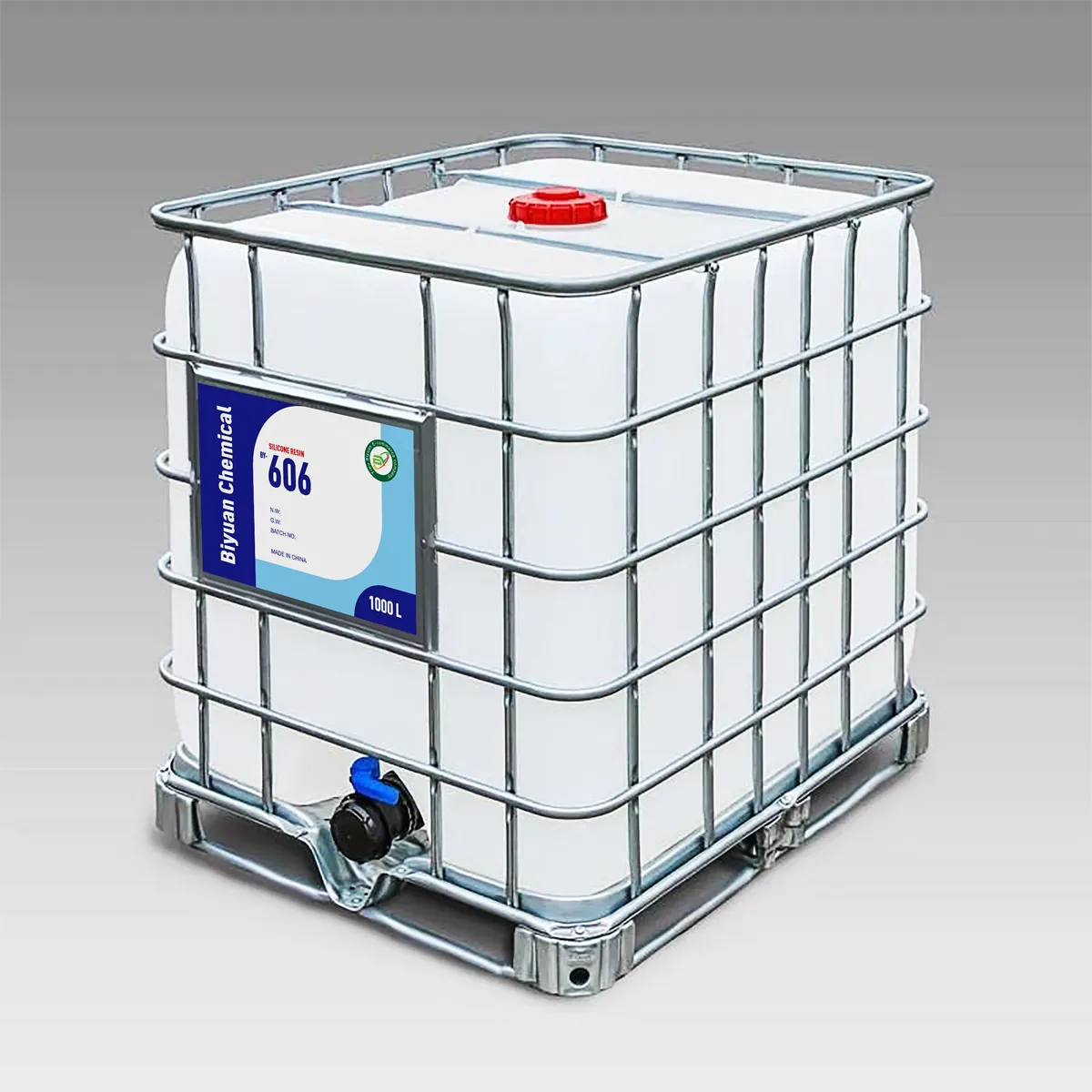
Silicone resins transform release agent technology through their exceptional thermal stability and non-stick properties. These high-performance materials create durable, cross-linked release layers that prevent adhesion in demanding molding and casting applications. The resins withstand temperatures exceeding 300°C while maintaining consistent release p.
Silicone resins deliver breakthrough performance in coating applications through their exceptional weather resistance and thermal stability. These advanced materials form durable, protective networks that maintain integrity under extreme environmental conditions, including prolonged UV exposure and temperatures ranging from -50°C to 300°C. Meeting inter.
Silicone resins significantly enhance plastic and rubber products through their unique cross-linking capabilities and surface modification properties. These high-performance additives improve thermal stability, weather resistance, and processing characteristics across various polymer systems. Meeting international industry standards, silicone resins off.
Silicone resins deliver exceptional thermal stability (up to 400°C) and mechanical strength to composite materials. These high-performance resins improve processing efficiency while enhancing electrical insulation and flame retardancy. Compatible with organic and inorganic fillers, they ensure uniform distribution and strong interfacial adhesion. The re.