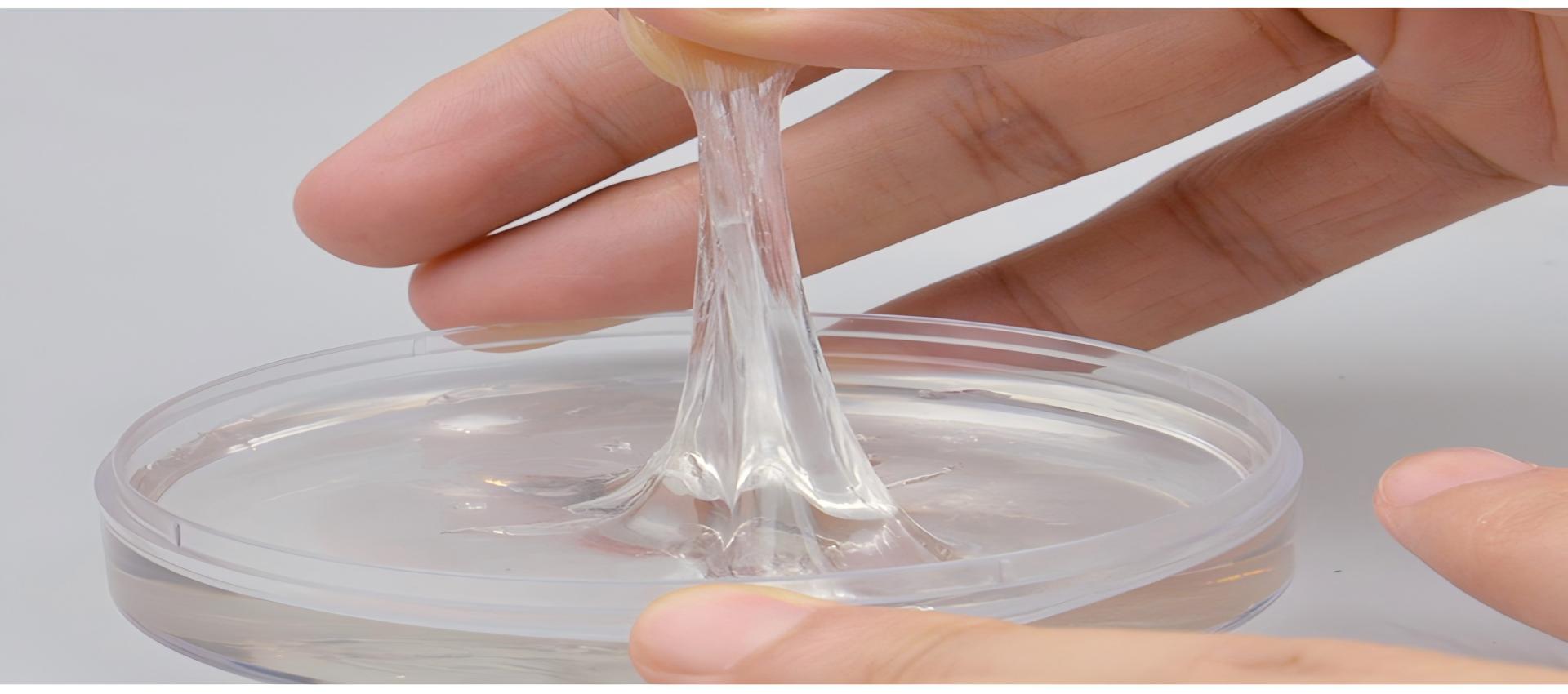
SILICONE RESIN in 3D Effect Coatings: Creating Visual Impact in Consumer Products - Silicone Resin Factory&supplier
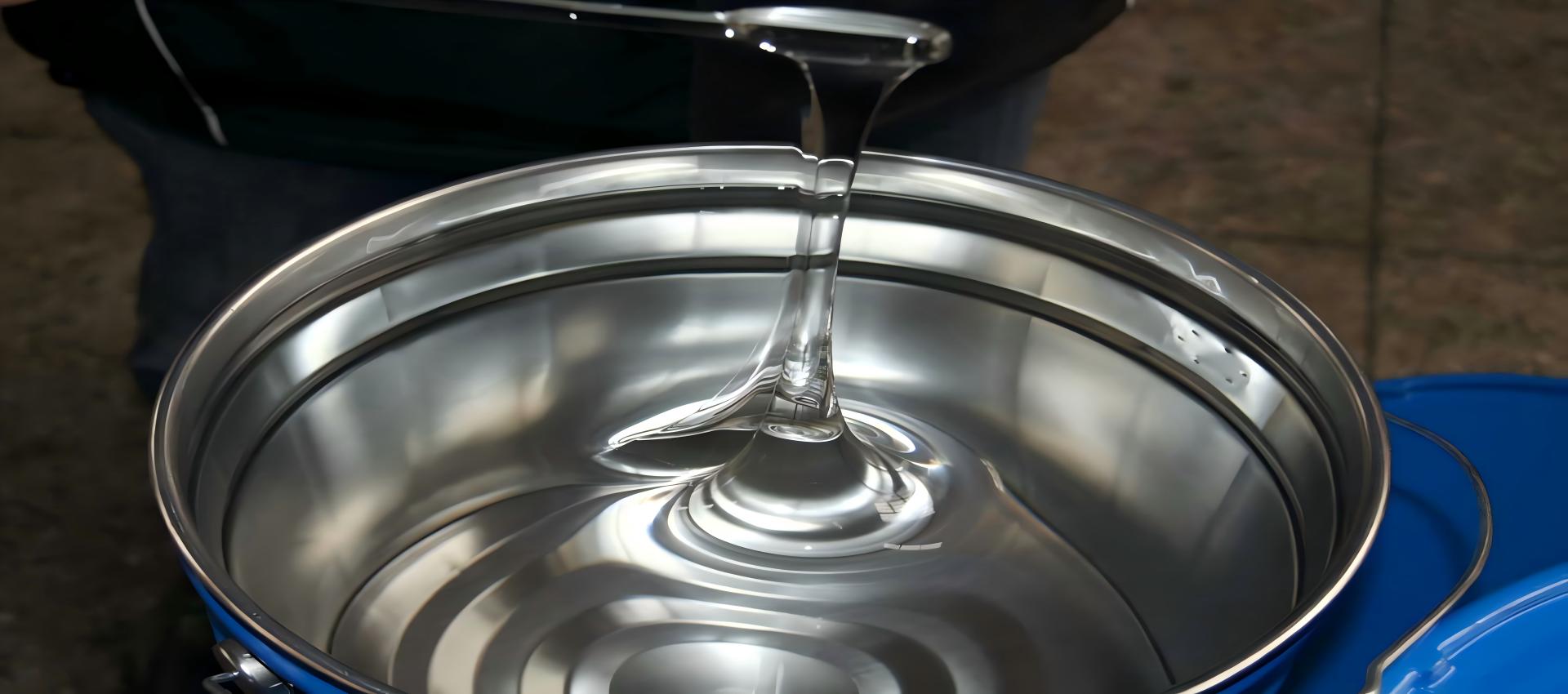
Silicone Resin
Everything you need to know about our products and company
In today’s competitive consumer products market, visual appeal has become a critical differentiator. Silicone resin-based 3D effect coatings represent a technological breakthrough that combines aesthetic excellence with functional performance. These advanced coatings create stunning three-dimensional visual effects while providing exceptional durability, weather resistance, and heat tolerance. From automotive components to consumer electronics and architectural elements, silicone resin coatings are revolutionizing product design by offering designers unprecedented creative freedom without compromising on protection.
The global silicone resin coatings market is experiencing robust growth, driven by increasing demand from high-temperature and corrosion-resistant applications across multiple industries. According to recent market analysis, the demand for heat-resistant silicone resin coatings is expected to rise by over 6% annually over the next five years. This growth trajectory reflects the material’s unique value proposition in both industrial and consumer applications.
Asian markets, particularly China and India, have emerged as key growth drivers due to expanding infrastructure and industrial production. Meanwhile, European and North American companies continue to focus on innovation in high-performance and eco-friendly silicone technologies. The market is characterized by significant investments in waterborne and low-VOC formulations to meet stringent environmental standards while maintaining superior performance characteristics.
Silicone resin coatings derive their exceptional properties from the unique molecular structure of polysiloxanes. The strong Si-O bonds in the molecular structure provide remarkable stability against UV radiation, moisture, and oxidative environments. This ensures that coatings maintain gloss and color integrity for extended periods, even under harsh outdoor conditions.
One of the most significant advantages of silicone resin coatings is their outstanding heat resistance. These coatings can withstand temperatures exceeding 200°C without losing structural integrity, making them ideal for applications such as automotive exhaust systems, heating equipment, and high-temperature industrial components. The material’s excellent electrical insulation properties and chemical resistance further expand its application scope to include electronic components and chemical processing equipment.
For 3D effect applications, silicone resins offer exceptional flexibility and adhesion properties. They can be formulated to create textured surfaces, pearlescent effects, and multi-dimensional finishes that traditional coatings cannot achieve. The material’s low surface tension allows for excellent flow and leveling, resulting in smooth, defect-free finishes even on complex geometries.
The production of high-performance silicone resin coatings requires sophisticated manufacturing processes and stringent quality control measures. The manufacturing process typically involves the polymerization of siloxanes through condensation reactions in the presence of acid or base catalysts. This process creates the characteristic Si-O-Si backbone that gives silicone resins their unique properties.
Quality control in silicone resin production involves multiple testing parameters to ensure consistency and performance. Key testing parameters include viscosity measurement, solid content determination, density verification, and color matching. Performance tests assess properties such as adhesion, flexibility, impact resistance, and environmental durability. For 3D effect coatings, additional tests evaluate texture retention, gloss consistency, and visual appearance under various lighting conditions.
Manufacturers like Biyuan have implemented advanced production technologies that enable precise control over molecular weight distribution and cross-linking density. This level of control allows for customization of coating properties to meet specific application requirements, whether for automotive exterior parts requiring exceptional weatherability or consumer electronics demanding scratch resistance and aesthetic appeal.
Creating three-dimensional visual effects with silicone resin coatings requires specialized application techniques and equipment. The most common methods include:
Spray Application: High-volume low-pressure (HVLP) spray systems are widely used for applying silicone resin coatings. These systems provide excellent transfer efficiency and allow for precise control over film thickness and texture development. For 3D effects, multi-layer application with varying spray parameters creates depth and dimension in the finish.
Roll Coating: For flat surfaces and large-area applications, roll coating offers efficient and consistent coverage. Specialized roller designs can create specific texture patterns that enhance the 3D effect. This method is particularly effective for architectural panels and large consumer products.
Curing Processes: Silicone resin coatings typically cure through thermal cross-linking or UV polymerization. Thermal curing at temperatures between 120-200°C provides excellent film properties and durability. UV-curable formulations offer rapid curing times and energy efficiency, making them suitable for high-volume production lines.
Silicone resin coatings for consumer products must comply with various international standards and regulations to ensure safety, performance, and environmental compliance. Key standards include:
SAE AMS3135: This specification outlines requirements for silicone resin coating materials that cure at 250°C, detailing composition, properties, and testing procedures for automotive and aerospace applications.
IEC 61086: This international standard evaluates the adhesion, flexibility, and environmental resistance of silicone coatings, particularly for electronic applications.
ISO 9001: Quality management system certification ensures consistent manufacturing processes, including application, polymerization, and quality control procedures.
Environmental Compliance: Low-VOC formulations must meet regulations such as GB 18582-2020 in China and similar standards in other regions. Compliance with RoHS, FDA, and LFGB standards is essential for consumer products, particularly those in contact with food or used in personal care applications.
The global silicone resin coatings market features several major players, including DOW, Wacker, Shin-Etsu, and Momentive. These companies have established significant production capacities and extensive R&D capabilities to drive innovation in silicone technology.
Recent market developments highlight the strategic importance of production capacity expansion. For instance, Dow’s Zhangjiagang silicone resin plant, with an annual capacity of 12,000 tons, represents a major investment in meeting growing global demand for high-value-added silicone products. This facility, with a total investment of $69 million, is Dow’s first overseas silicone resin factory outside the United States and its second high-value-added silicone resin production base globally.
The competitive landscape is characterized by continuous innovation in formulation technology, application methods, and environmental performance. Companies are developing waterborne systems, UV-curable formulations, and hybrid technologies that combine the benefits of silicone with other resin systems to address specific market needs.
The future of silicone resin in 3D effect coatings is shaped by several key trends:
Sustainability Focus: The development of bio-based silicone resins and recyclable coating systems is gaining momentum. Manufacturers are investing in technologies that reduce environmental impact while maintaining performance.
Smart Coatings: Integration of functional additives enables coatings with self-healing properties, anti-microbial protection, and responsive color-changing effects. These advanced functionalities open new application possibilities in consumer electronics, automotive, and architectural markets.
Digital Manufacturing: The convergence of 3D printing technology with silicone resin coatings enables rapid prototyping and customized production. This trend is particularly relevant for small-batch production and personalized consumer products.
Performance Enhancement: Ongoing research focuses on improving mechanical properties, chemical resistance, and weatherability to expand application boundaries. The development of coatings that can withstand extreme environments while maintaining aesthetic appeal remains a key innovation driver.
As the market continues to evolve, silicone resin-based 3D effect coatings are poised to play an increasingly important role in creating visually stunning and highly durable consumer products across multiple industries.
Our most popular products loved by customers worldwide
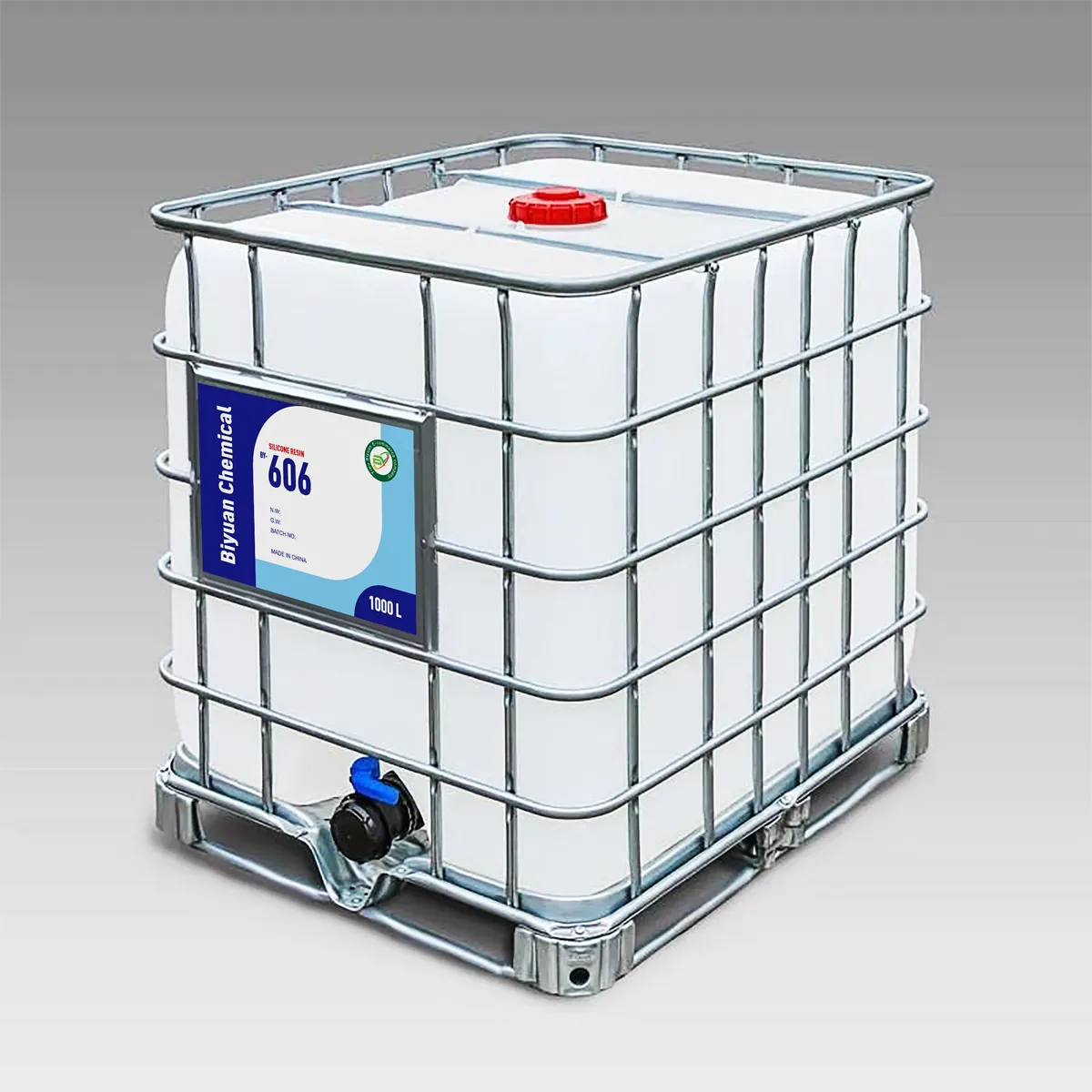
Silicone resins transform release agent technology through their exceptional thermal stability and non-stick properties. These high-performance materials create durable, cross-linked release layers that prevent adhesion in demanding molding and casting applications. The resins withstand temperatures exceeding 300°C while maintaining consistent release p.
Silicone resins deliver breakthrough performance in coating applications through their exceptional weather resistance and thermal stability. These advanced materials form durable, protective networks that maintain integrity under extreme environmental conditions, including prolonged UV exposure and temperatures ranging from -50°C to 300°C. Meeting inter.
Silicone resins significantly enhance plastic and rubber products through their unique cross-linking capabilities and surface modification properties. These high-performance additives improve thermal stability, weather resistance, and processing characteristics across various polymer systems. Meeting international industry standards, silicone resins off.
Silicone resins deliver exceptional thermal stability (up to 400°C) and mechanical strength to composite materials. These high-performance resins improve processing efficiency while enhancing electrical insulation and flame retardancy. Compatible with organic and inorganic fillers, they ensure uniform distribution and strong interfacial adhesion. The re.