SILICONE RESIN in Food-Contact Materials: Ensuring Safety and Compliance - Silicone Resin Factory&supplier

Silicone Resin
Everything you need to know about our products and company
Silicone resins have become indispensable materials in the manufacturing of food-contact products due to their exceptional thermal stability, durability, and flexibility. These versatile polymers, characterized by their silicon-oxygen backbone and organic side groups, offer unique properties that make them ideal for various food-related applications from baking molds to infant feeding products. As global market projections indicate the silicone resins sector growing from US6.0billionin2024toanestimatedUS8.9 billion by 2030, understanding their safety and compliance requirements becomes increasingly crucial for manufacturers and end-users alike .
The expanding application of silicone resins in food-contact materials is driven by their ability to withstand extreme temperatures ranging from -50°C to over 200°C without degradation, making them particularly valuable for kitchenware, food storage containers, and processing equipment . This article examines the key considerations for ensuring the safety and regulatory compliance of silicone resin products in food-contact applications, with particular attention to manufacturing standards and global market dynamics.
The regulatory framework governing silicone resins in food-contact applications has evolved significantly to address potential migration risks and ensure consumer safety. China’s recently introduced GB 4806.16-2025 standard, set to implement in September 2026, represents a major advancement by establishing dedicated safety requirements specifically for silicone rubber materials and products used in food contact applications. This standard effectively differentiates silicone resins from general rubber regulations, acknowledging their unique material properties and potential migration characteristics .
Internationally, regulatory approaches vary but share common emphasis on migration testing and material purity. The European Union maintains strict controls on volatile organic compounds (VOCs) and specific siloxanes, while MERCOSUR countries have developed positive lists and specific migration limits for metal salts in silicone food contact materials . These regulatory frameworks aim to address concerns highlighted by studies showing that chemicals of concern, including cyclic siloxanes classified as Substances of Very High Concern (SVHC), can migrate from silicone products into food, particularly under high-temperature conditions .
Compliance challenges have intensified as research reveals that 84% of silicon kitchenware exhibits endocrine activity, prompting regulatory bodies to strengthen oversight of phthalates and bisphenols in these materials . The updated Chinese standards now include specific limits on volatile substances (0.5%) and low molecular weight siloxanes (D4-D6 ≤ 0.1%), aligning with German standards for silicone products .
The safety profile of silicone resins for food-contact applications depends significantly on their formulation and manufacturing processes. Potential migration of chemical compounds from silicone products to food represents the primary safety concern, particularly with high-fat-content foods or under elevated temperature conditions. Research indicates that silicone baking molds can release volatile organic compounds, including cyclic siloxanes (D4, D5, D6), which have been detected in food prepared using these materials .
Advanced testing methodologies have been developed to quantify migration risks, with gas chromatography-mass spectrometry (GC-MS) emerging as the preferred analytical technique for detecting siloxane migration . These methods have revealed that migration levels tend to be highest when silicone products are new and decrease with successive uses, though improper manufacturing can result in persistently high migration rates .
Organic tin compounds (organic tin) used as catalysts in silicone production present additional safety considerations due to their biological toxicity. Studies demonstrate that migration of these compounds follows distinct patterns across different food simulants, with higher migration rates observed in ethanol solutions compared to acidic environments or distilled water . The classification of certain cyclic siloxanes as SVHCs by the European Chemicals Agency (ECHA) reflects growing regulatory concern about these compounds’ environmental and health impacts .
Establishing robust quality control systems throughout the manufacturing process is essential for producing safe, compliant silicone resin food-contact materials. Superior silicone resin factories implement multi-stage testing protocols beginning with raw material qualification and extending through production to final product validation .
The manufacturing process typically involves several critical stages: compounding of raw materials, mixing, molding or extrusion, vulcanization, and post-curing. Each stage presents distinct quality control challenges and opportunities for contamination control. Leading manufacturers employ specialized vulcanization processes, including secondary vulcanization at approximately 200°C for four hours, to reduce volatile siloxane residues (D4-D6) to levels below 0.1%, complying with stringent international standards .
Quality parameters for food-grade silicone resins encompass physical properties (tear strength, elongation at break), chemical characteristics (volatile content, extractables), and sensory attributes (absence of odor and taste transfer). Comprehensive quality systems monitor these parameters through rigorous testing protocols including thermal aging studies, migration testing, and accelerated shelf-life testing .
Compliance with food-contact regulations requires meticulous documentation throughout the manufacturing process, including material traceability, batch-specific testing results, and change control records. These documentation practices not only facilitate regulatory compliance but also enable continuous process improvement and rapid response to quality deviations .
Innovation in silicone resin technology continues to enhance the safety and performance characteristics of food-contact materials. Recent developments include hybrid silicone resins that combine silicone with organic polymers to achieve enhanced flexibility and adhesion properties, along with nanotechnology applications that improve mechanical strength without compromising thermal resistance .
Advanced curing technologies represent another significant area of innovation, with UV-curable silicone coatings gaining prominence for applications requiring rapid production cycles. These technological improvements have enabled manufacturers to develop products with enhanced resistance to abrasion, chemical exposure, and extreme temperatures, expanding the application range for silicone resins in the food industry .
Functionalized silicone resins with tailored properties for specific applications constitute another frontier in material science. By modifying resin formulations, manufacturers can address specific migration concerns while maintaining the desirable physical properties that make silicone resins valuable for food-contact applications. These innovations respond to market demands for safer, more durable materials that meet evolving regulatory requirements .
The growing emphasis on sustainability has spurred development of bio-based silicone alternatives derived from renewable sources. While still emerging, these materials align with global trends toward circular economy principles and reduced environmental impact throughout the product lifecycle .
In this evolving landscape, Biyuan has established itself as a leader in high-performance silicone resins for food-contact applications through relentless commitment to research and quality excellence. With decades of specialized experience, Biyuan has developed proprietary manufacturing protocols that exceed international safety standards while maintaining competitive production efficiencies.
The company’s recent advancements in low-migration silicone compounds have addressed key industry challenges regarding volatile siloxane content. By implementing patented purification technologies and advanced catalyst formulations, Biyuan’s products demonstrate migration levels up to 40% below regulatory limits, providing additional safety margins for demanding applications .
Biyuan’s technical expertise extends to custom formulation development, working collaboratively with clients to create application-specific solutions that meet unique performance requirements while ensuring regulatory compliance. This customer-focused approach has positioned the company as a preferred partner for leading brands across multiple sectors, including infant care, medical devices, and food service .
The company’s investment in state-of-the-art analytical capabilities, including GC-MS and ICP-MS instrumentation, enables comprehensive material characterization and migration testing. This vertical integration allows Biyuan to maintain stringent control over raw material quality and batch-to-batch consistency, critical factors in producing safe, reliable food-contact materials .
The global marketplace for silicone resins in food-contact applications continues to evolve, influenced by regional regulatory developments, consumer preferences, and technological advancements. The Asia-Pacific region, led by China, represents the fastest-growing market with a projected CAGR of 10.4% through 2030, driven by expanding industrial base and increasing regulatory alignment .
Regional differences in regulatory approaches and market requirements create both challenges and opportunities for silicone resin manufacturers. North American and European markets maintain stringent safety and environmental standards, while emerging economies increasingly adopt international benchmarks as their regulatory frameworks mature. This convergence of standards facilitates global trade while raising performance expectations across all markets .
The future of silicone resins in food-contact applications will likely be shaped by several key trends, including growing demand for sustainable materials, increasing miniaturization of electronic components in kitchen appliances, and evolving regulatory requirements regarding migration limits and material composition. Manufacturers who anticipate these trends and invest accordingly will be best positioned to compete in the global marketplace .
Ensuring the safety and compliance of silicone resins in food-contact applications requires ongoing attention to material science, manufacturing excellence, and regulatory evolution. As research continues to refine our understanding of migration patterns and health impacts, manufacturers must maintain vigilance across all aspects of production, from raw material selection to final product validation.
The implementation of dedicated standards such as China’s GB 4806.16-2025 represents significant progress in establishing science-based safety requirements specifically for silicone food-contact materials. These regulatory developments, coupled with advances in manufacturing technology and testing methodologies, contribute to increasingly safe and reliable products for consumers worldwide.
For silicone resin factories competing in the global marketplace, commitment to quality, transparency, and continuous improvement remains the foundation for long-term success. By embracing these principles and investing in technological innovation, manufacturers can meet evolving market demands while ensuring the safety and satisfaction of end users across diverse food-contact applications.
Our most popular products loved by customers worldwide
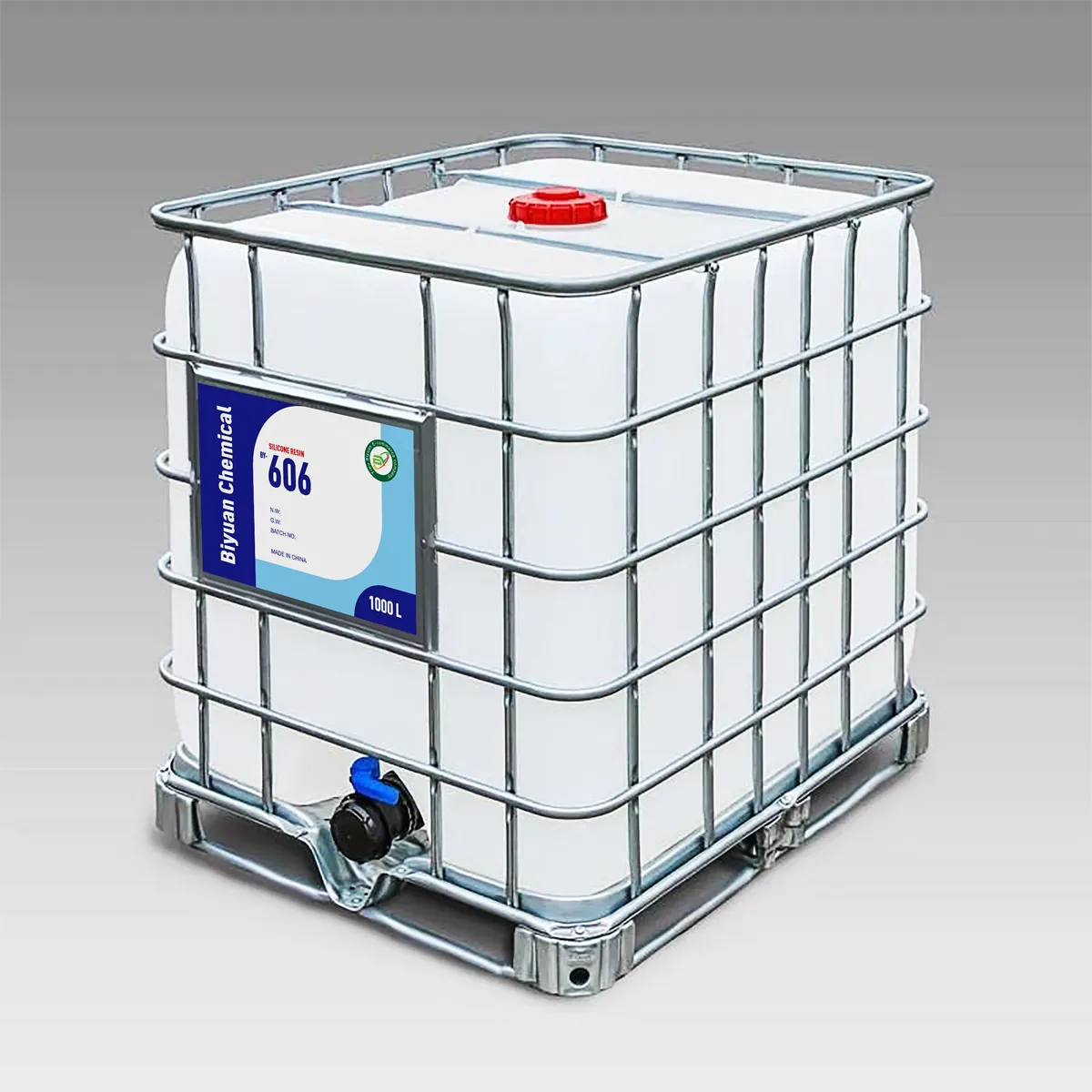
Silicone resins transform release agent technology through their exceptional thermal stability and non-stick properties. These high-performance materials create durable, cross-linked release layers that prevent adhesion in demanding molding and casting applications. The resins withstand temperatures exceeding 300°C while maintaining consistent release p.
Silicone resins deliver breakthrough performance in coating applications through their exceptional weather resistance and thermal stability. These advanced materials form durable, protective networks that maintain integrity under extreme environmental conditions, including prolonged UV exposure and temperatures ranging from -50°C to 300°C. Meeting inter.
Silicone resins significantly enhance plastic and rubber products through their unique cross-linking capabilities and surface modification properties. These high-performance additives improve thermal stability, weather resistance, and processing characteristics across various polymer systems. Meeting international industry standards, silicone resins off.
Silicone resins deliver exceptional thermal stability (up to 400°C) and mechanical strength to composite materials. These high-performance resins improve processing efficiency while enhancing electrical insulation and flame retardancy. Compatible with organic and inorganic fillers, they ensure uniform distribution and strong interfacial adhesion. The re.