The Role of SILICONE RESIN in Advancing 5G Electronics and Components - Silicone Resin Factory&supplier

Silicone Resin
Everything you need to know about our products and company
The global transition to 5G technology represents more than just faster download speeds—it signifies a fundamental shift in electronic design and material requirements. As frequency bands move into millimeter-wave spectrum and component density increases, traditional materials reach their performance limits. Silicone resins have emerged as critical enablers in this transformation, providing the unique combination of electrical, thermal, and physical properties necessary for advanced 5G applications. These specialized polymers bridge the gap between conventional organic materials and inorganic alternatives, offering manufacturers unprecedented design flexibility without compromising reliability .
The market trajectory confirms this importance, with the global silicone resins market projected to grow steadily from USD 1.04 billion in 2025 to approximately USD 1.72 billion by 2035, representing a compound annual growth rate of 5.1%. This growth is significantly driven by demands from the 5G infrastructure and device sectors, where material performance directly impacts network reliability and data transmission efficiency .
In 5G electronics, signal integrity at high frequencies is paramount. Silicone resins exhibit exceptionally low dielectric constant (Dk) and minimal dissipation factor (Df), which are crucial for minimizing signal loss and attenuation in millimeter-wave applications. For instance, specialized formulations maintain stable Dk values below 3.0 and Df under 0.005 at frequencies exceeding 28 GHz. This electrical stability ensures that 5G antennas and RF front-end modules can operate efficiently without significant power degradation, a limitation common to many conventional epoxy-based materials .
The molecular structure of silicone resins, featuring strong silicon-oxygen bonds and low polarizability, makes them particularly suitable for high-frequency substrates and interconnects. This inherent property allows for the development of advanced printed circuit boards (PCBs) that can handle the increased data throughput requirements of 5G networks, which often exceed 400G in backhaul applications .
The dense integration of components in 5G infrastructure, particularly in massive MIMO (Multiple Input Multiple Output) antenna systems, generates significant heat that must be effectively dissipated to prevent performance throttling and premature failure. Silicone resins excel in this domain, with advanced thermal interface materials (TIMs) based on silicone chemistry offering thermal conductivity ranging from 5 to 8 W/mK. This represents a substantial improvement over traditional gap pads, with field tests in South Korea’s 5G networks demonstrating temperature reductions of up to 15°C in baseband units .
The thermal stability of silicone resins is equally impressive, with many formulations maintaining structural integrity across a temperature spectrum from -40°C to 200°C. This range comfortably exceeds the operational requirements of most 5G components, including power amplifiers using gallium nitride (GaN) technology, which generate substantial heat during operation. Furthermore, the low coefficient of thermal expansion (CTE) of silicone resins minimizes mechanical stress during thermal cycling, a critical factor in preventing delamination and connection failures in outdoor deployments .
5G components face harsh operating environments, from base stations exposed to extreme weather conditions to consumer devices subject to mechanical stress. Silicone resins provide comprehensive protection against moisture, chemical exposure, UV radiation, and thermal shock. Encapsulation formulations based on silicone chemistry typically achieve water absorption rates below 0.1%, significantly enhancing the operational lifespan of outdoor radio units by up to 30% compared to standard epoxy encapsulants .
This environmental resilience extends to automotive 5G applications, where components must withstand temperature fluctuations, vibration, and exposure to automotive fluids. The adaptability of silicone resins allows formulators to tailor properties for specific applications, creating materials that meet stringent industry standards such as UL94 V-0 for flame retardancy while maintaining flexibility and adhesion to various substrates .
The development of high-performance silicone resins for 5G applications involves sophisticated chemical engineering approaches. Hybrid resin systems that combine silicone with epoxy or other polymers have gained prominence, leveraging the strengths of each chemistry. For instance, silicone-modified epoxy resins demonstrate improved tracking resistance—a critical property for preventing electrical short circuits in high-voltage applications—while maintaining thermal stability and temperature/humidity resistance. These compositions achieve this through specific molecular architectures where silicone components are integrated via hydrosilylation reactions with alkenyl-containing epoxy compounds .
Manufacturers are increasingly incorporating functional fillers such as boron nitride (BN), silicon carbide (SiC), and spherical silica to enhance specific properties. Boron nitride, with its thermal conductivity exceeding 40 W/mK while maintaining electrical insulation, is particularly valuable for thermal management applications. The dispersion of these nano-fillers within the resin matrix requires precise surface treatment and specialized processing to ensure uniform distribution and prevent agglomeration that could compromise performance or lead to voids in the cured material .
The production of electronic-grade silicone resins demands stringent control over purity and consistency. Even minimal ionic contamination (exceeding 1 ppm of sodium or chloride ions) can compromise the reliability of sensitive 5G components like RF filters and power amplifiers. Leading manufacturers operate in ISO Class 5 cleanrooms or better to maintain material purity, with advanced analytics such as real-time ion chromatography monitoring systems ensuring batch consistency. While this level of control increases capital expenditure by 35-40%, it results in 18-22% higher production yields for high-reliability applications .
Viscosity control and bubble elimination represent additional critical manufacturing challenges. Maintaining resin viscosity within a narrow range (typically 200-500 mPa·s) is essential for uniform flow during encapsulation processes. Variations exceeding ±5% can lead to incomplete cavity filling in quad flat no-lead (QFN) packages, causing rejection rates of 12-15%. Advanced vacuum degassing systems capable of achieving void content below 0.1% have become standard in production lines serving the 5G electronics market .
The global silicone resin market for electronics applications demonstrates distinct regional characteristics influenced by raw material availability, manufacturing capabilities, and regulatory environments. Asia-Pacific dominates production, accounting for over 70% of raw material inputs for silicone encapsulants. This concentration creates supply chain vulnerabilities, as demonstrated in 2021 when energy rationing in China’s Yunnan province disrupted silicon metal production, spiking global silicone prices by 18% within three months and delaying deliveries to semiconductor manufacturers in Europe and North America .
Geopolitical factors further complicate the landscape. Trade policies such as the U.S.-China trade war triggered 25% tariffs on epoxy resins imported from China, forcing manufacturers to seek alternative sources in South Korea and Taiwan. This shift increased procurement costs by 12-15% for U.S.-based semiconductor firms due to higher transportation expenses and smaller production scales in alternative supply routes. In response, many manufacturers are pursuing regionalization strategies, with joint ventures between U.S. chemical firms and Mexican material processors aiming to establish localized production capabilities by 2025 .
The 5G electronics market operates within a complex framework of international regulations and standards that significantly influence material selection. The European Union’s REACH and RoHS directives restrict hazardous substances in electronic components, driving demand for halogen-free, low-VOC silicone formulations. Similarly, China’s GB standards impose strict flammability requirements, often mandating V-0 ratings that impact resin formulation strategies. These regulatory divergences across markets create compliance challenges, with manufacturers sometimes maintaining parallel production lines to meet different regional requirements, resulting in cost premiums of 15-20% for dual-compliant resins .
The automotive sector introduces additional compliance layers, with materials often needing to meet IATF 16949 quality management standards alongside specific OEM requirements. The trend toward sustainability has further influenced the regulatory landscape, with 68% of global electronics manufacturers now prioritizing suppliers offering recyclable or bio-based resins according to a 2023 analysis. This shift aligns with corporate ESG commitments and evolving regulations such as the EU’s proposed Corporate Sustainability Reporting Directive (CSRD) .
Silicone resin factories have transitioned from component suppliers to strategic partners in the 5G value chain. This evolution reflects the growing complexity of material requirements for advanced electronics, where off-the-shelf solutions increasingly fail to meet specialized performance criteria. Leading factories now employ integrated teams of material scientists, electrical engineers, and application specialists who collaborate directly with OEMs to co-develop custom formulations addressing specific design challenges, such as signal integrity in millimeter-wave phased array antennas or thermal management in 64T64R massive MIMO systems .
This partnership model extends to quality assurance and supply chain resilience. Factories serving the 5G sector typically implement rigorous qualification processes requiring 9-18 months of testing under simulated operational conditions. These protocols assess performance under thermal cycling, humidity exposure, mechanical stress, and electrical loading to predict long-term reliability. Additionally, leading suppliers maintain strategic inventory reserves of critical raw materials to buffer against supply chain disruptions, a capability particularly valued following the logistics challenges experienced during the 2022 global container shortage .
Within this sophisticated landscape, Guangzhou Baiyun Chemical Industry Co., Ltd. (Baiyun) has established itself as a noteworthy participant through decades of focused material innovation. With origins dating back to 1985 as the Guangzhou Baiyun Viscose Factory, the company has evolved into a high-tech enterprise recognized as a National Torch Program key high-tech enterprise and one of the Ministry of Construction’s top ten independent innovation advantage enterprises .
Baiyun’s strategic focus on integrating research, development, and production has positioned it to serve the demanding requirements of 5G electronics manufacturers. The company maintains a provincial technology center and an engineering technology research and development center, supported by a post-doctoral research workstation and an academician and expert enterprise workstation. This institutional knowledge, combined with a R&D team comprising postdoctoral, doctoral, and master’s degree holders with senior and intermediate titles, enables the development of sophisticated material solutions addressing the complex challenges of 5G implementation .
The company’s industrial sealant products have found applications across diverse sectors including electronic appliances, solar photovoltaic modules, and wind power generation. This breadth of application experience provides valuable insights into material behavior under different environmental conditions, informing the development of specialized formulations for 5G infrastructure requiring long-term reliability in challenging outdoor deployments. Baiyun’s fully automatic continuous production line, noted for its advanced technical level and independent intellectual property rights, supports the consistent manufacture of high-performance materials meeting the stringent requirements of contemporary electronics applications .
As 5G technology continues to evolve toward 6G capabilities, the demands on silicone resins will intensify further. Research priorities include developing ultra-low loss formulations for frequencies above 100 GHz, enhancing thermal conductivity to 10-15 W/mK for next-generation power amplifiers, and improving sustainability profiles through bio-based raw materials and recyclable formulations. The integration of nanotechnology, particularly precise control of filler distribution at the molecular level, represents a promising avenue for achieving these performance targets without compromising processability or cost-effectiveness .
The expansion of 5G into new verticals including industrial IoT, autonomous vehicles, and smart cities will create additional opportunities for specialized silicone resins. These applications will demand unique property combinations—such as extreme temperature resistance for automotive radar systems coupled with millimeter-wave transparency—driving further innovation in material science. Factories that can anticipate these requirements and collaborate closely with technology developers will be well-positioned to lead the next wave of advancement in electronic materials .
In conclusion, silicone resins have become indispensable enablers of 5G technology, providing the critical electrical, thermal, and protective properties that allow advanced electronics to function reliably in demanding applications. As the 5G ecosystem continues to expand, the symbiotic relationship between material innovation and electronic advancement will only grow stronger, with specialized manufacturers playing an increasingly vital role in shaping the future of connectivity.
Our most popular products loved by customers worldwide
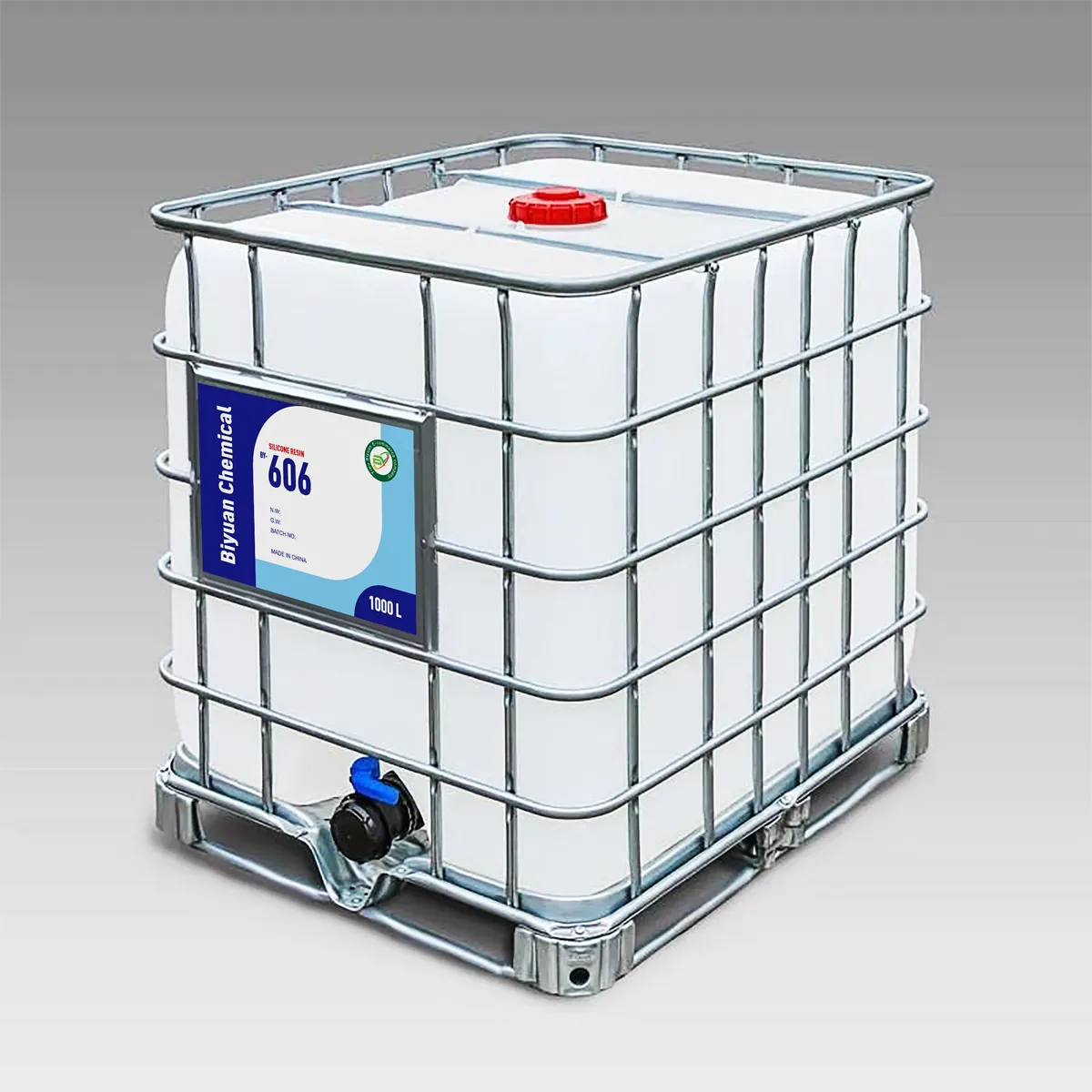
Silicone resins transform release agent technology through their exceptional thermal stability and non-stick properties. These high-performance materials create durable, cross-linked release layers that prevent adhesion in demanding molding and casting applications. The resins withstand temperatures exceeding 300°C while maintaining consistent release p.
Silicone resins deliver breakthrough performance in coating applications through their exceptional weather resistance and thermal stability. These advanced materials form durable, protective networks that maintain integrity under extreme environmental conditions, including prolonged UV exposure and temperatures ranging from -50°C to 300°C. Meeting inter.
Silicone resins significantly enhance plastic and rubber products through their unique cross-linking capabilities and surface modification properties. These high-performance additives improve thermal stability, weather resistance, and processing characteristics across various polymer systems. Meeting international industry standards, silicone resins off.
Silicone resins deliver exceptional thermal stability (up to 400°C) and mechanical strength to composite materials. These high-performance resins improve processing efficiency while enhancing electrical insulation and flame retardancy. Compatible with organic and inorganic fillers, they ensure uniform distribution and strong interfacial adhesion. The re.