The Science Behind SILICONE RESIN Curing: Methods and Optimization Techniques - Silicone Resin Factory&supplier
Silicone Resin
Everything you need to know about our products and company
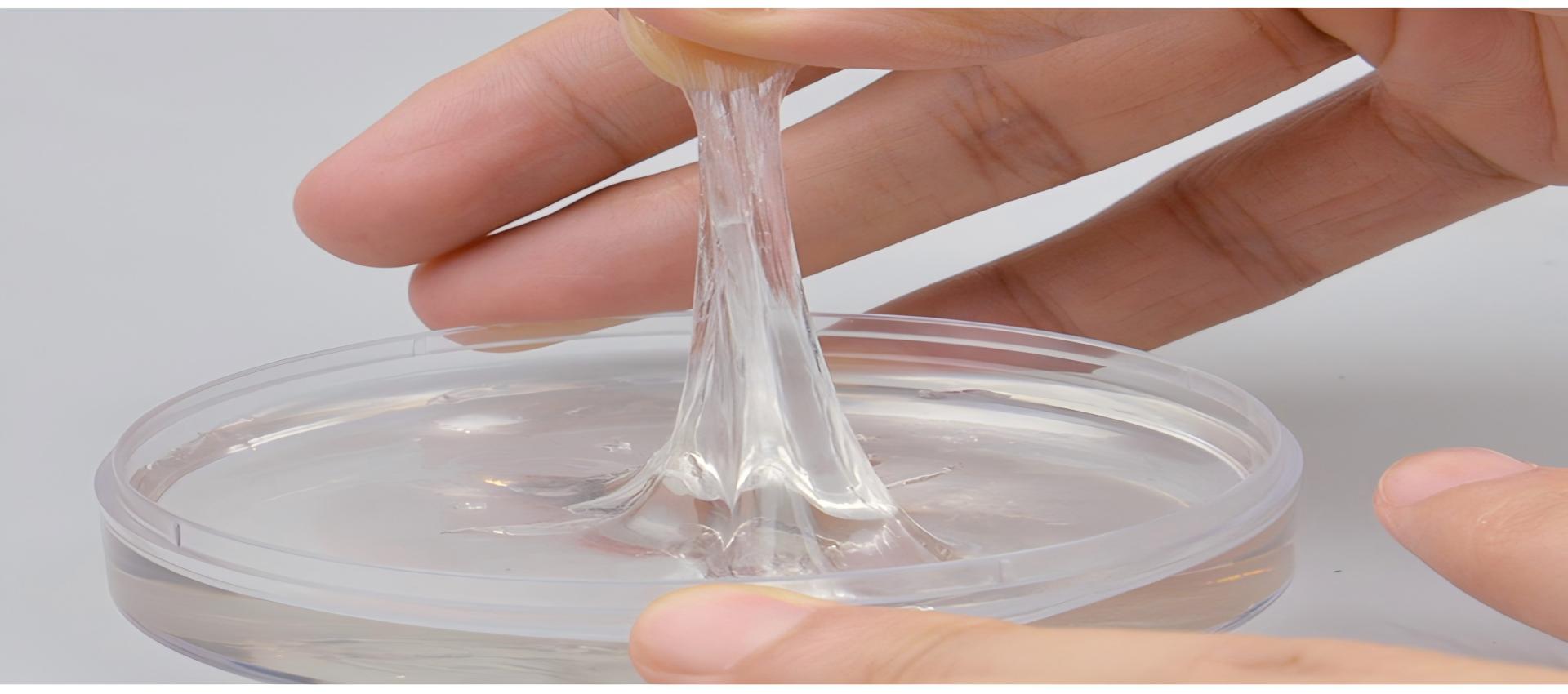
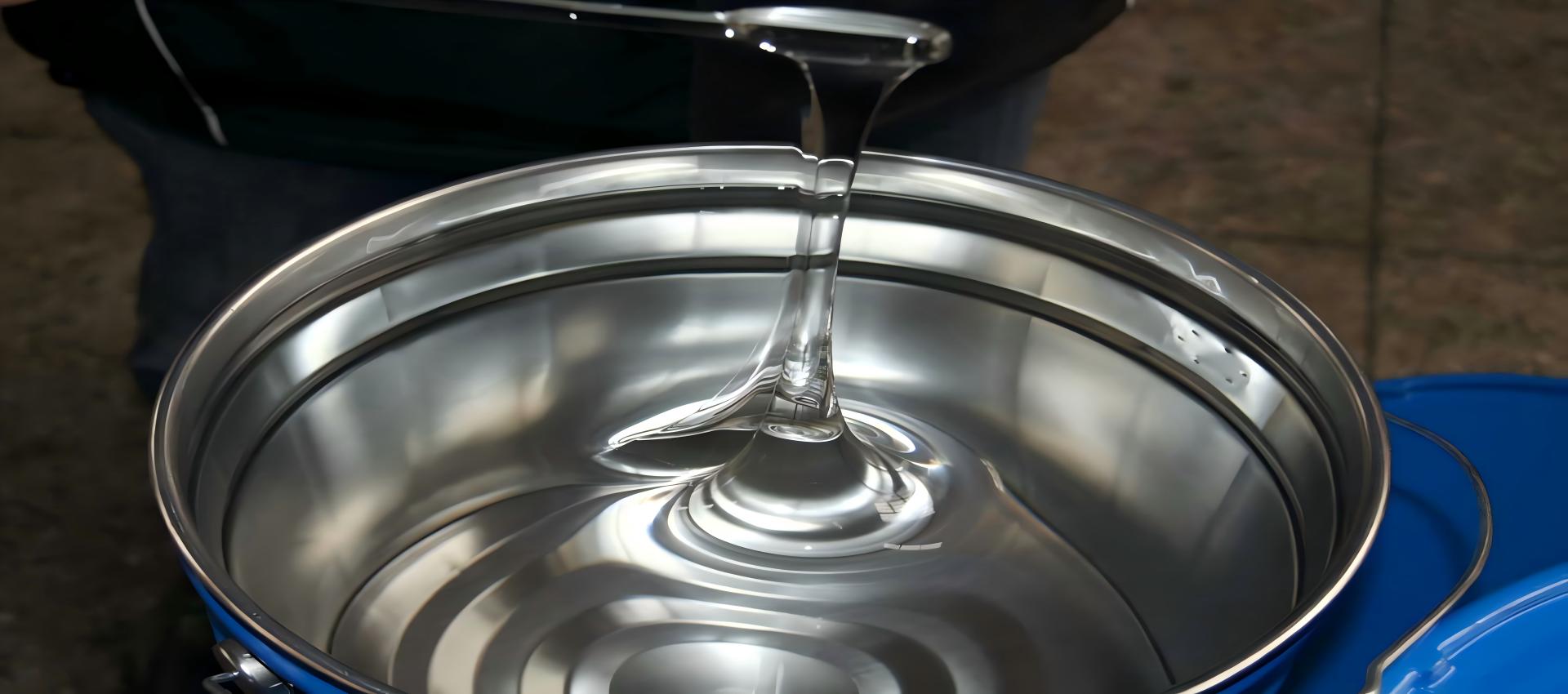
Silicone resin curing represents a critical chemical transformation process where liquid or semi-solid silicone polymers undergo crosslinking reactions to form durable, heat-resistant, and electrically insulating materials. This comprehensive guide explores the fundamental curing mechanisms, advanced optimization techniques, and practical applications that make silicone resins indispensable across industries from automotive to electronics. Understanding these processes is essential for manufacturers seeking to enhance product performance, reduce production costs, and meet stringent industry standards.
Silicone resins are inorganic polymers composed of branching, cage-like oligosiloxanes with the general formula RnSiXmOy, where R typically represents non-reactive substituents like methyl or phenyl groups. The curing process transforms these materials from liquid or semi-solid states into solid, three-dimensional network structures through crosslinking reactions.
Condensation Curing
Condensation curing is the most common and historically established mechanism for silicone resins. This process involves reactions such as dehydration, deethanolation, or dehydrogenation, where functional groups on the silicone polymer chains react to form new siloxane bonds (Si-O-Si) while releasing small byproduct molecules like water, alcohol, or hydrogen gas. The condensation reaction creates a network structure that provides excellent heat resistance, high strength, and good adhesion properties at relatively low cost.
However, condensation curing presents several challenges. During the reaction, the release of low molecular weight byproducts can lead to bubble formation and porosity in the cured resin layer. Additionally, the volatilization of organic solvents and difficulty in controlling functional group amounts result in poor storage stability and adhesion issues. These limitations have driven the development of alternative curing methods for specific applications.
Addition Curing (Platinum-Catalyzed)
Addition curing utilizes a hydrosilylation reaction between silicone polymers containing vinyl groups (Si-Vi) and crosslinkers with silicon-hydrogen bonds (Si-H), catalyzed by platinum-based complexes. This mechanism offers significant advantages over condensation curing: it occurs without generating byproducts, produces no bubbles or voids during film formation, and provides excellent dimensional accuracy with minimal shrinkage.
The addition curing process allows precise control over the number of reactive functional groups, enabling manufacturers to preset the crosslinking density and obtain products ranging from hard to soft as needed. The reaction conditions are mild, and the resulting materials exhibit excellent electrical properties, thermal conductivity, corona resistance, and thermal shock resistance. However, the platinum catalyst is susceptible to poisoning by compounds containing amines, phosphorus, arsenic, or sulfur, requiring strict control of raw material purity and processing conditions.
Peroxide Curing
Peroxide curing employs organic peroxides as free radical initiators that decompose at elevated temperatures to drive crosslinking reactions. The curing temperature is determined by the decomposition temperature of the specific peroxide used. This method offers good storage stability when stored below the peroxide decomposition temperature, though partial air contact is necessary to prevent premature curing during storage.
Peroxide-cured silicone resins find applications in coil impregnating paints, adhesives, and laminates. While effective, this method has been largely supplanted by addition curing for many high-performance applications due to the generation of byproducts and the need for post-curing to remove residual peroxide decomposition products.
The curing kinetics of silicone resins are highly temperature-dependent. For addition-curing systems, typical temperatures range from 120°C to 200°C (248°F to 392°F), with curing times between 30 seconds and 5 minutes under pressures of 50-150 bar. Condensation-curing systems can cure at room temperature or elevated temperatures of 20°C to 50°C (68°F to 122°F), though they require hours to days to complete the reaction.
Optimization involves careful temperature profiling to ensure complete crosslinking without thermal degradation. Differential scanning calorimetry (DSC) is commonly used to study cure kinetics and determine optimal processing parameters. Kinetic models based on DSC data help predict processing times at specific temperatures, enabling manufacturers to balance production efficiency with material performance.
The selection and concentration of catalysts play a crucial role in controlling cure rates and final properties. For addition-curing systems, platinum catalysts must be carefully balanced with inhibitors to prevent premature gelation during storage while ensuring rapid curing during processing. Common inhibitors include acetylene alcohols, cyclic methylvinyl cyclosiloxane, and siloxane-modified acetylene alcohols.
Catalyst poisoning is a critical consideration in addition-curing systems. Even trace amounts of compounds containing amines, phosphorus, arsenic, or sulfur can severely hinder curing. Manufacturers must implement rigorous quality control measures for raw materials and maintain clean processing environments to prevent catalyst deactivation.
For condensation-curing systems, moisture acts as both a curing agent and a potential source of defects. While humidity accelerates the curing process, excessive moisture can lead to bubble formation and surface tackiness. Optimal relative humidity levels typically range from 40% to 60% for most condensation-curing applications.
Controlled environments with proper ventilation are essential to maintain consistent curing conditions. Some systems employ multi-stage curing processes: initial drying at elevated temperature, treatment at 40-50°C in high humidity (90% RH), followed by final curing at 180-200°C to remove low molecular weight byproducts and improve material properties.
Post-curing is a critical step for achieving optimal mechanical and thermal properties. Typical post-curing conditions involve heating at 200°C for 2-4 hours in a ventilated oven. This process removes residual volatiles, enhances thermal stability, and improves mechanical properties such as tensile strength and elongation.
For peroxide-cured systems, post-curing is essential to eliminate residual peroxide decomposition products that could affect long-term performance. The duration and temperature of post-curing must be optimized based on the specific formulation and application requirements.
Chemical modification of silicone resins expands their application range and enhances specific properties. Common modifications include:
These modified resins can be tailored to specific applications through careful control of the modification ratio and curing conditions.
Environmental regulations and sustainability concerns have driven the development of water-based silicone resin emulsions and solvent-free formulations. These systems reduce volatile organic compound (VOC) emissions while maintaining performance characteristics. Water-based silicone resins are particularly valuable in architectural coatings, industrial maintenance paints, and consumer products where low odor and environmental impact are priorities.
The incorporation of functional additives enables the customization of silicone resin properties:
Comprehensive testing ensures silicone resins meet application requirements:
Silicone resins must comply with various industry standards depending on their application:
Advanced manufacturing facilities implement SPC to monitor critical parameters throughout the production process. Real-time monitoring of injection pressure, temperature profiles, cure time, and dimensional accuracy ensures consistent product quality. For example, in electronics enclosure sealing applications, gasket width and thickness may be measured on every 25th part to maintain ±0.01 mm control.
The global silicone resins market has demonstrated robust growth, valued at approximately 4.02billionin2023andprojectedtoreach5.43 billion by 2028, with a compound annual growth rate (CAGR) of 6.3%. Asia-Pacific dominates the market, driven by rapid industrialization, expanding construction activities, and the growth of automotive and electronics manufacturing in China and India.
Coatings and Paints
Silicone resins are essential components in high-performance coatings due to their exceptional heat resistance (up to 300°C), weather resistance, and electrical insulation properties. They are used in heat-resistant coatings for industrial equipment, architectural exterior coatings, automotive high-temperature paints, and anti-corrosion coatings. The ability to formulate water-based and low-VOC systems has expanded their use in environmentally sensitive applications.
Electronics and Electrical
The electronics industry relies on silicone resins for encapsulating and protecting sensitive components. Applications include insulating varnishes for motors and transformers, conformal coatings for printed circuit boards, encapsulation materials for LEDs and power devices, and potting compounds for automotive electronics. The excellent thermal conductivity and electrical insulation properties make silicone resins ideal for heat dissipation in high-power electronic devices.
Automotive and Transportation
Silicone resins find extensive use in automotive gaskets, seals, hoses, and engine components where heat resistance and durability are critical. The proliferation of electric vehicles has created new opportunities for silicone resins in battery encapsulation, power electronics cooling, and high-voltage insulation systems.
Construction and Infrastructure
In the construction sector, silicone-based sealants, waterproof coatings, and expansion joint materials provide long-lasting protection against moisture, UV radiation, and temperature extremes. Silicone resins are used in structural glazing, curtain wall systems, and as protective coatings for concrete and metal structures.
Healthcare and Medical
Medical-grade silicone resins are used in implantable devices, drug delivery systems, medical tubing, and wound care products. Their biocompatibility, sterilizability, and flexibility make them suitable for long-term contact with human tissues.
The development of smart silicone materials represents the next frontier in resin technology. Self-healing silicone resins that can autonomously repair damage, temperature-sensitive materials that change properties in response to thermal stimuli, and photosensitive formulations that cure rapidly under UV light are emerging technologies with applications in flexible electronics, wearable devices, and advanced medical devices.
Silicone resins compatible with 3D printing technologies are enabling the production of complex, customized parts with precise geometries. Medical-grade silicone resins approved for extended skin contact are being used to create patient-specific implants, surgical guides, and ergonomic medical devices. The ability to print with multiple materials and create graded properties opens new possibilities for functional parts.
The industry is moving toward more sustainable practices, including the development of bio-based silicone precursors, recyclable silicone formulations, and closed-loop manufacturing processes. Water-based and solvent-free systems reduce environmental impact, while advancements in recycling technologies aim to recover and reuse silicone materials at end-of-life.
The integration of digital technologies into silicone resin manufacturing is improving process control, quality assurance, and supply chain efficiency. Real-time monitoring, predictive maintenance, and digital twins enable manufacturers to optimize production parameters, reduce waste, and ensure consistent product quality.
The science behind silicone resin curing encompasses a complex interplay of chemical reactions, material formulations, and processing parameters. From the fundamental condensation and addition curing mechanisms to advanced optimization techniques and quality control standards, understanding these principles is essential for developing high-performance silicone products that meet the demanding requirements of modern industries.
As the global market continues to grow, driven by technological advancements and expanding applications, manufacturers must stay at the forefront of innovation in curing technologies, material formulations, and sustainable practices. The future of silicone resins lies in smart materials, additive manufacturing capabilities, and environmentally responsible production methods that will enable new applications while minimizing environmental impact.
By mastering the science of silicone resin curing and implementing robust optimization strategies, manufacturers can deliver products that combine exceptional performance, reliability, and value across diverse industrial sectors.
Our most popular products loved by customers worldwide
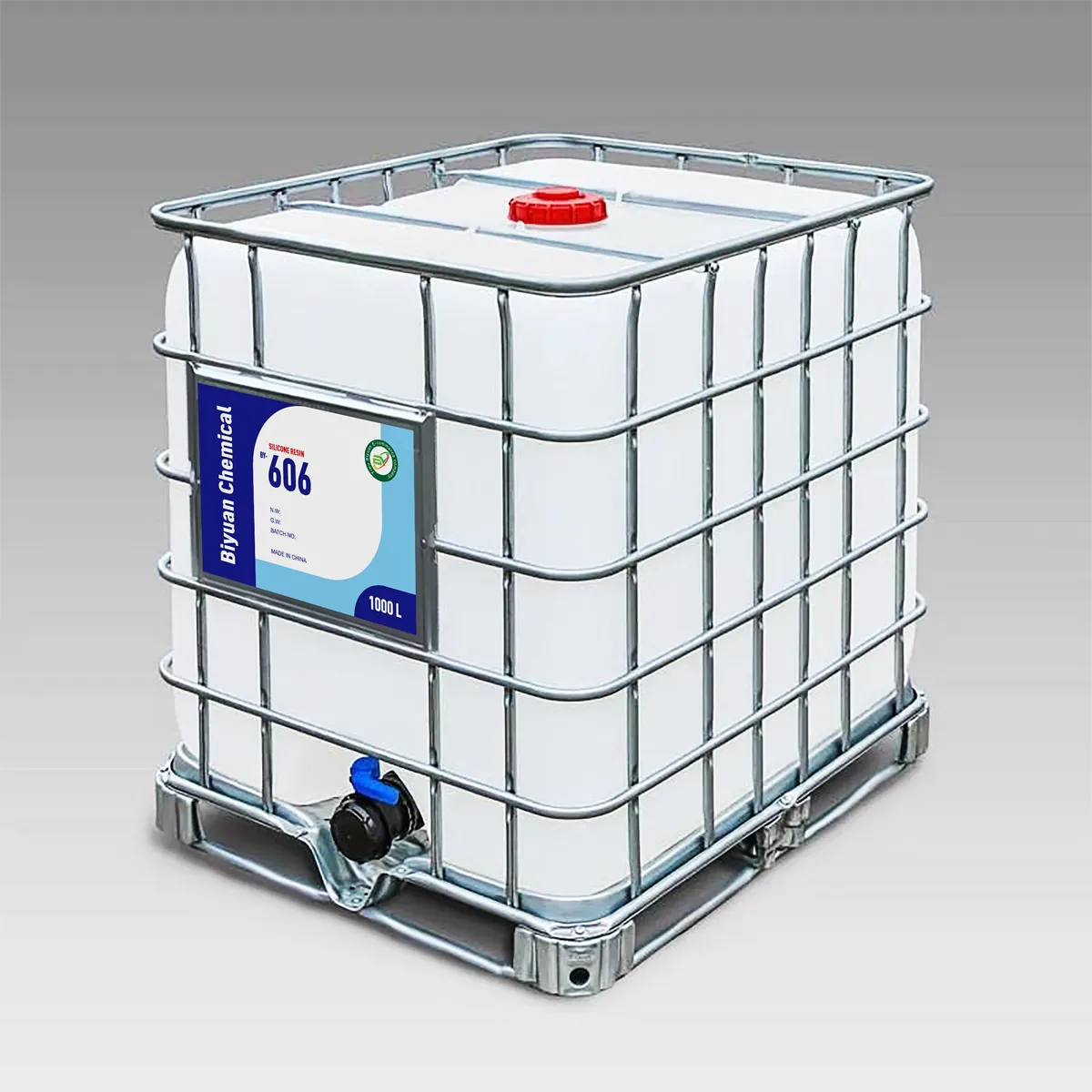
Silicone resins transform release agent technology through their exceptional thermal stability and non-stick properties. These high-performance materials create durable, cross-linked release layers that prevent adhesion in demanding molding and casting applications. The resins withstand temperatures exceeding 300°C while maintaining consistent release p.
Silicone resins deliver breakthrough performance in coating applications through their exceptional weather resistance and thermal stability. These advanced materials form durable, protective networks that maintain integrity under extreme environmental conditions, including prolonged UV exposure and temperatures ranging from -50°C to 300°C. Meeting inter.
Silicone resins significantly enhance plastic and rubber products through their unique cross-linking capabilities and surface modification properties. These high-performance additives improve thermal stability, weather resistance, and processing characteristics across various polymer systems. Meeting international industry standards, silicone resins off.
Silicone resins deliver exceptional thermal stability (up to 400°C) and mechanical strength to composite materials. These high-performance resins improve processing efficiency while enhancing electrical insulation and flame retardancy. Compatible with organic and inorganic fillers, they ensure uniform distribution and strong interfacial adhesion. The re.