Why Should Photovoltaic Module Manufacturers Choose BIYUAN Silicone Resins? - Silicone Resin Factory&supplier

Silicone Resin
Everything you need to know about our products and company
In the rapidly evolving solar energy sector, photovoltaic (PV) module manufacturers face increasing demands for higher efficiency, extended durability, and enhanced reliability of solar panels. The performance of PV modules is heavily influenced by the materials used in their construction, particularly those that provide protection against environmental stressors. Silicone resins have emerged as a critical material in PV module manufacturing due to their exceptional weather resistance, electrical insulation properties, and long-term stability. BIYUAN, a pioneer in high-performance silicone solutions, offers advanced silicone resins specifically engineered to meet the rigorous requirements of the solar industry. This article explores the unique benefits of choosing BIYUAN silicone resins for PV module production, emphasizing their role in improving module performance, ensuring long-term reliability, and supporting sustainable energy solutions.
PV modules are exposed to harsh environmental conditions, including UV radiation, temperature fluctuations, humidity, and pollutants. BIYUAN silicone resins provide superior protection against these challenges:
The efficiency of PV modules depends on maximizing light transmission and minimizing optical losses. BIYUAN silicone resins contribute to higher energy output through:
Electrical safety and reliability are paramount in PV module design. BIYUAN silicone resins offer exceptional electrical properties:
PV modules must endure mechanical stresses from wind, snow, and thermal expansion. BIYUAN silicone resins enhance mechanical durability:
Efficient production processes are essential to meet the growing demand for solar modules. BIYUAN silicone resins support manufacturing efficiency through:
As the solar industry prioritizes sustainability, BIYUAN silicone resins align with eco-friendly manufacturing practices:
For photovoltaic module manufacturers, BIYUAN silicone resins offer a compelling blend of weathering resistance, optical enhancement, electrical safety, and mechanical resilience. Their ability to improve module efficiency, ensure long-term reliability, and support sustainable production makes them an indispensable material for the future of solar energy. By partnering with BIYUAN, manufacturers gain access to cutting-edge silicone technology and the expertise needed to innovate and excel in the competitive solar industry. As the world transitions to renewable energy, BIYUAN silicone resins stand as a trusted enabler of high-performance, durable, and sustainable PV modules.
Our most popular products loved by customers worldwide
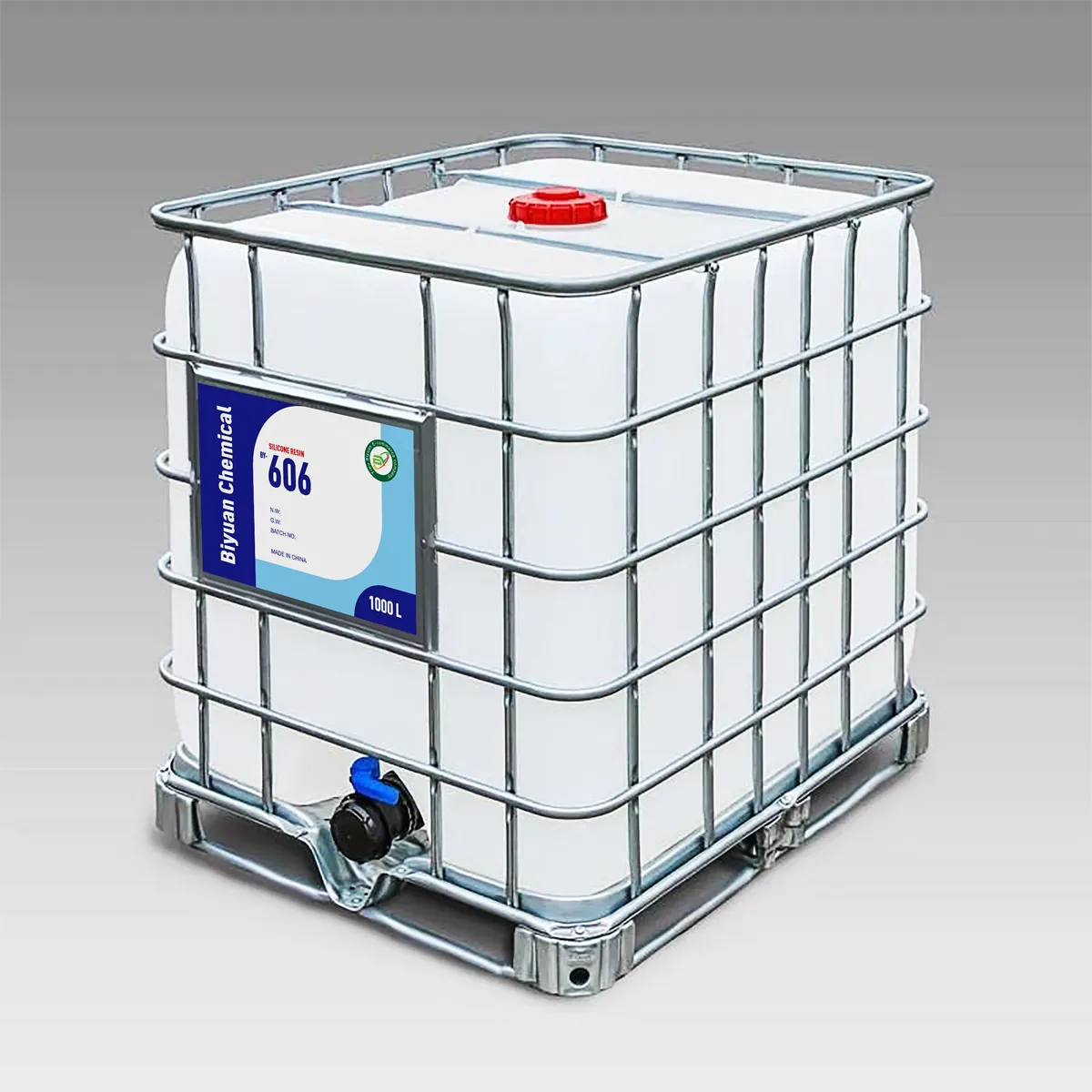
Silicone resins transform release agent technology through their exceptional thermal stability and non-stick properties. These high-performance materials create durable, cross-linked release layers that prevent adhesion in demanding molding and casting applications. The resins withstand temperatures exceeding 300°C while maintaining consistent release p.
Silicone resins deliver breakthrough performance in coating applications through their exceptional weather resistance and thermal stability. These advanced materials form durable, protective networks that maintain integrity under extreme environmental conditions, including prolonged UV exposure and temperatures ranging from -50°C to 300°C. Meeting inter.
Silicone resins significantly enhance plastic and rubber products through their unique cross-linking capabilities and surface modification properties. These high-performance additives improve thermal stability, weather resistance, and processing characteristics across various polymer systems. Meeting international industry standards, silicone resins off.
Silicone resins deliver exceptional thermal stability (up to 400°C) and mechanical strength to composite materials. These high-performance resins improve processing efficiency while enhancing electrical insulation and flame retardancy. Compatible with organic and inorganic fillers, they ensure uniform distribution and strong interfacial adhesion. The re.