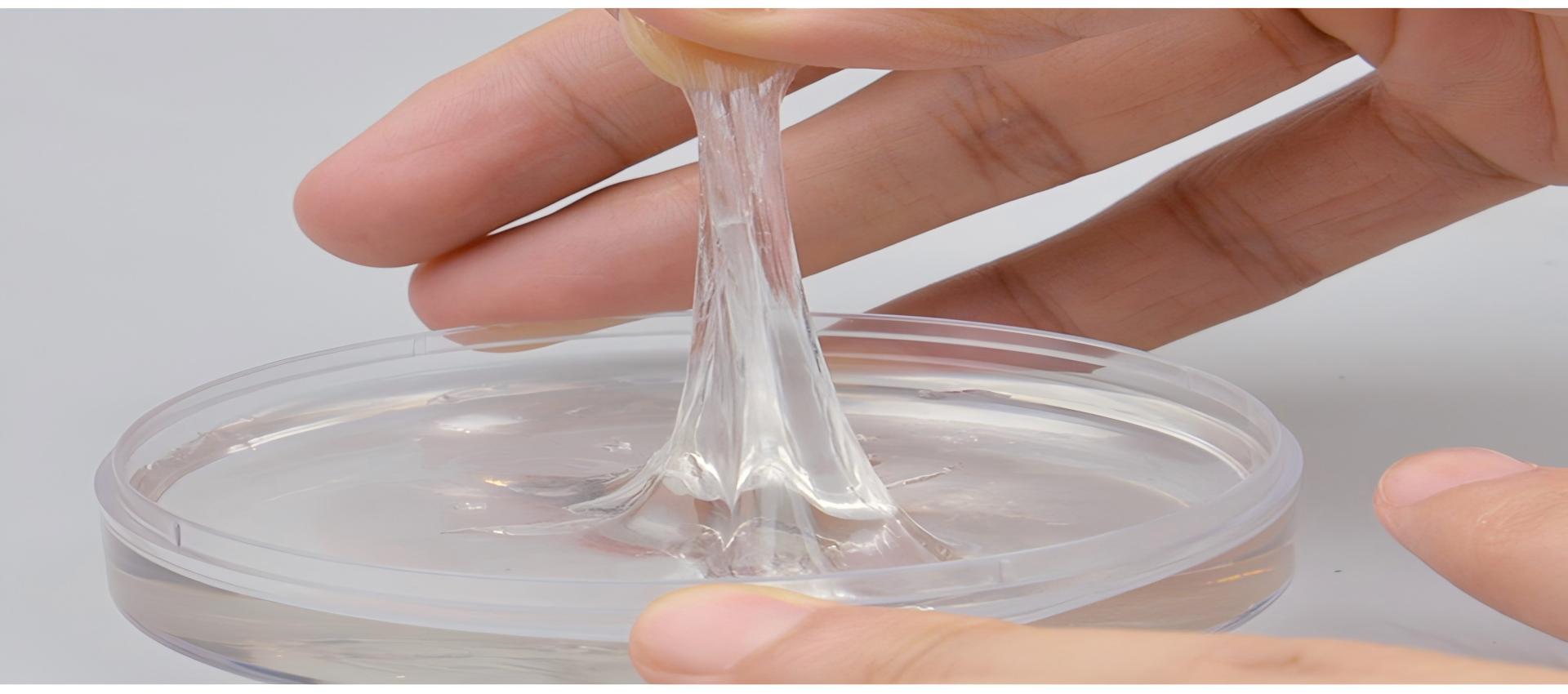
From Methyl and Phenyl to Fluoroalkyl: The Hydrophobic Evolution of Silicone Resins and Superhydrophobic Coating Preparation - Silicone Resin Factory&supplier
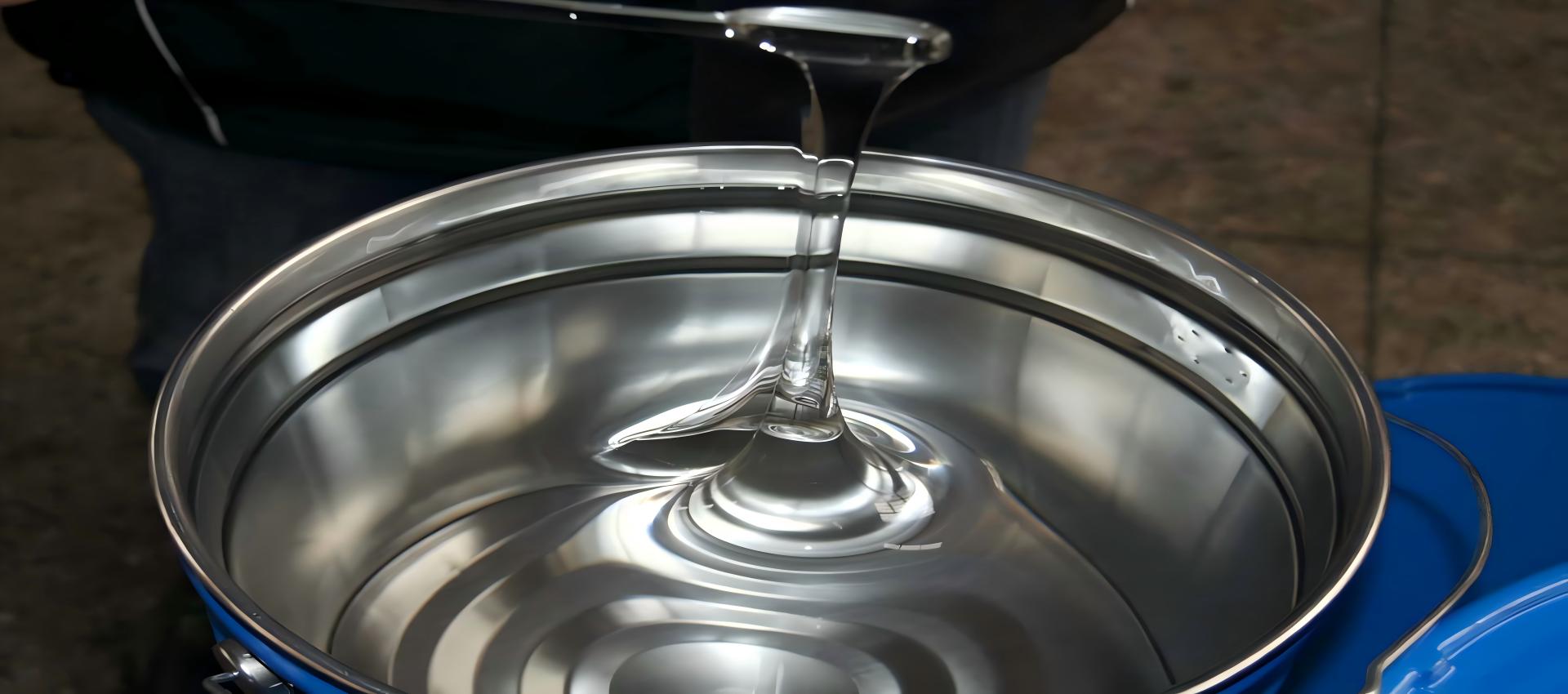
Silicone Resin
Everything you need to know about our products and company
Hydrophobicity is among the best-known properties of silicone materials. From the water repellency of ordinary methyl silicone resins, to the weather-resistant film formation of methyl-phenyl systems, and on to the ultra-low surface energy delivered by fluoroalkyl groups, silicone resins keep evolving along the main line of “lowering surface energy.” Yet achieving superhydrophobicity with a water contact angle above 150° also requires a microscopic rough structure. This article reviews that technical evolution and the mainstream preparation routes.
Whether a liquid spreads on a surface is essentially determined by surface energy. A superhydrophobic surface (water contact angle > 150°, roll-off angle < 10°) requires two conditions simultaneously: the surface material itself has sufficiently low surface energy, and the surface possesses a micro-nano hierarchical rough structure. The lotus effect arises from the synergy of a hierarchical structure (“micrometric papillae + nanometric wax”) and low-surface-energy wax, causing water droplets to roll into spheres and carry away dirt (the Cassie-Baxter air-trapping state). Chemical groups alone, without a rough structure, usually yield ordinary hydrophobicity rather than superhydrophobicity.
In ordinary polydimethylsiloxane (PDMS) and methyl silicone resins, the side-chain methyl groups (Si–CH₃) face outward; being nonpolar and low in surface energy, they impart basic hydrophobicity to the substrate. The methyl system films flexibly, is weather-resistant and non-toxic, and is a basic choice for waterproof coatings, release agents and water-repellent finishes. However, a smooth methyl film generally shows a water contact angle in the 90°–110° range — “hydrophobic,” not “superhydrophobic.”
After phenyl copolymerization, methyl-phenyl silicone resins retain flexibility while improving heat resistance, UV resistance, film formation and adhesion. They often serve as a binder to load hydrophobic nano-silica particles and build the rough layer in superhydrophobic coating systems. In studies, methyl-phenyl silicone resin as binder and hydrophobic SiO₂ nanoparticles as the roughness source yield a superhydrophobic surface by spraying and curing, with self-cleaning and anti-icing potential (tested down to −60 °C). Phenyl itself does not directly determine hydrophobic strength; its value lies in making the coating more durable and environmentally aged-resistant.
Perfluoroalkyl segments (–CF₃, –CF₂–) have lower surface energy than methyl and phenyl groups and are currently the most effective functional groups for lowering surface energy. Fluorinated silanes (e.g., perfluorooctyltrimethoxysilane, PFOTS/PFTMS) or fluorosilicone polymers migrate and enrich at the surface, further raising the contact angle and adding oil repellency (superamphiphobicity) on top of hydrophobicity. Even at only about 1% loading of fluorosilicone, a resin surface can rapidly turn from hydrophilic to hydrophobic. However, fluorinated monomers are costly and face environmental and fluorine-restriction trends, so their use requires trade-offs.
Superhydrophobic / superamphiphobic coatings serve PV-panel self-cleaning, building facades and heritage protection, textile water repellency, metal corrosion protection, oil-water separation, anti-icing for antennas and window surfaces, and electronic antifouling. For selection: choose the methyl system for general waterproofing and release; choose methyl-phenyl when heat/weather resistance and long-term adhesion are needed; evaluate fluoroalkyl only when ultra-low surface energy and oil repellency are required. The key to real superhydrophobic performance is not stacking functional groups alone, but matching “low-surface-energy formulation + rough structure + curing process,” validated through abrasion and wash-resistance testing for durability.
Our most popular products loved by customers worldwide
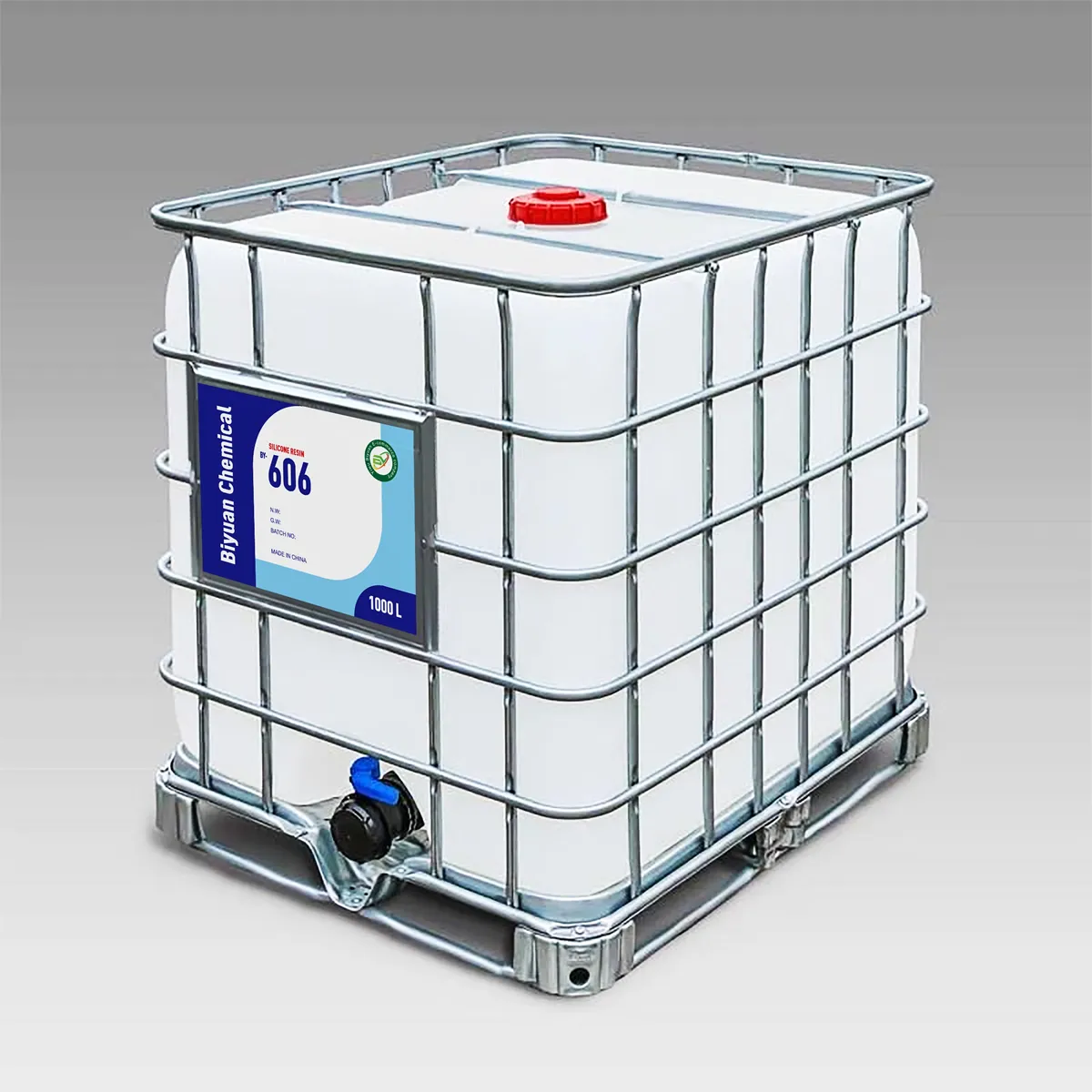
Silicone resins transform release agent technology through their exceptional thermal stability and non-stick properties. These high-performance materials create durable, cross-linked release layers that prevent adhesion in demanding molding and casting applications. The resins withstand temperatures exceeding 300°C while maintaining consistent release p.
Silicone resins deliver breakthrough performance in coating applications through their exceptional weather resistance and thermal stability. These advanced materials form durable, protective networks that maintain integrity under extreme environmental conditions, including prolonged UV exposure and temperatures ranging from -50°C to 300°C. Meeting inter.
Silicone resins significantly enhance plastic and rubber products through their unique cross-linking capabilities and surface modification properties. These high-performance additives improve thermal stability, weather resistance, and processing characteristics across various polymer systems. Meeting international industry standards, silicone resins off.
Silicone resins deliver exceptional thermal stability (up to 400°C) and mechanical strength to composite materials. These high-performance resins improve processing efficiency while enhancing electrical insulation and flame retardancy. Compatible with organic and inorganic fillers, they ensure uniform distribution and strong interfacial adhesion. The re.