Methyl MQ Silicone Resin: A Marvelous 3D Organosilicon Material, the Hidden Workhorse of Modern Manufacturing - Silicone Resin Factory&supplier
Silicone Resin Factory&supplier
Silicone Resin
Information Center
Everything you need to know about our products and company
When talking about organosilicon materials, most people think of silicone sealing gaskets and silicone kitchenware. Nevertheless, methyl MQ silicone resin, another core organosilicon raw material, underpins numerous industries including pressure-sensitive adhesives, high-end coatings, electronic materials and cosmetic ingredients. Featuring distinctive molecular structure and outstanding comprehensive performance, it is an indispensable functional resin along the organosilicon industrial chain.
Methyl MQ silicone resin is a three-dimensional crosslinked organosilicon resin built on a siloxane backbone, consisting of two fundamental siloxane structural units:
M unit (monofunctional unit): [(CH₃)₃SiO₁/₂]. It serves as end capping groups and regulates flexibility and compatibility.
Q unit (tetrafunctional unit): [SiO₄/₂]. It constructs the 3D rigid framework and endows the resin with rigidity, heat resistance and film-forming capacity.
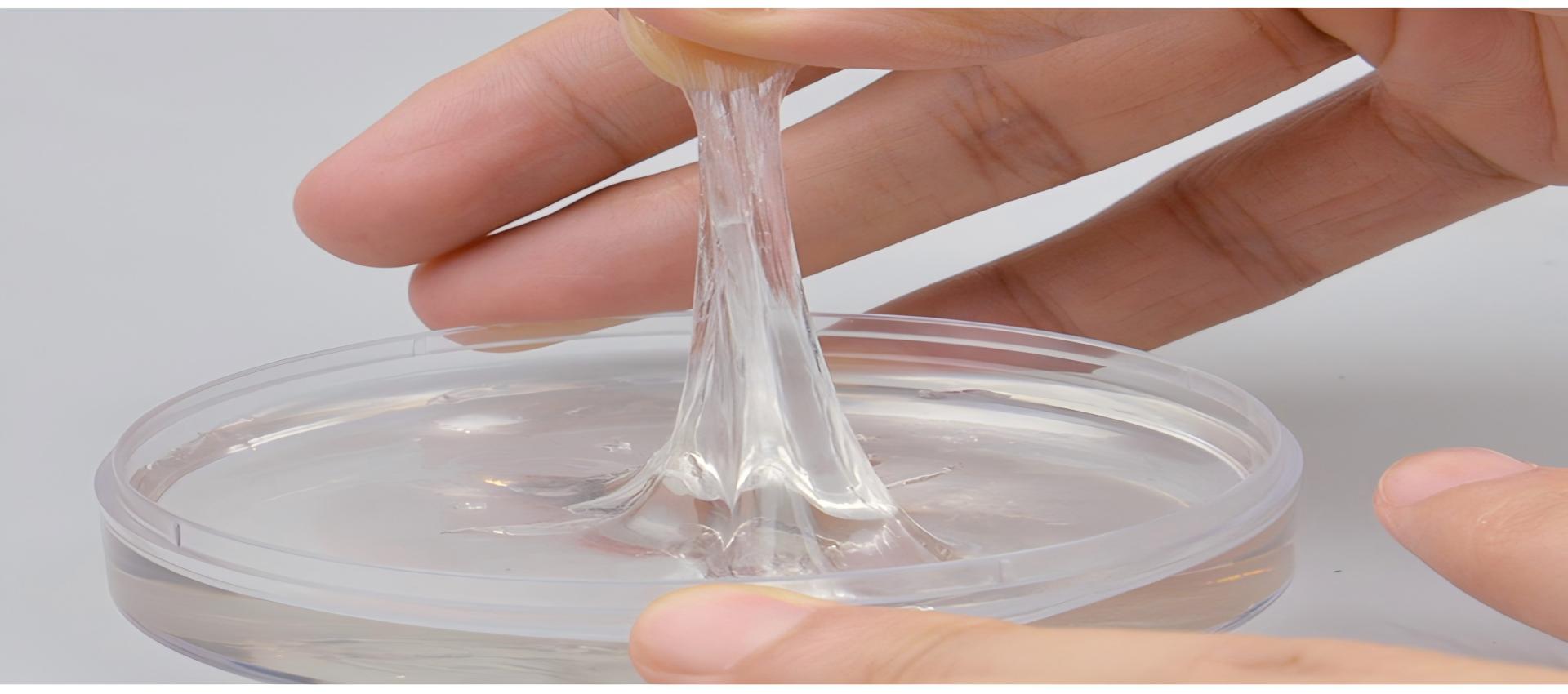
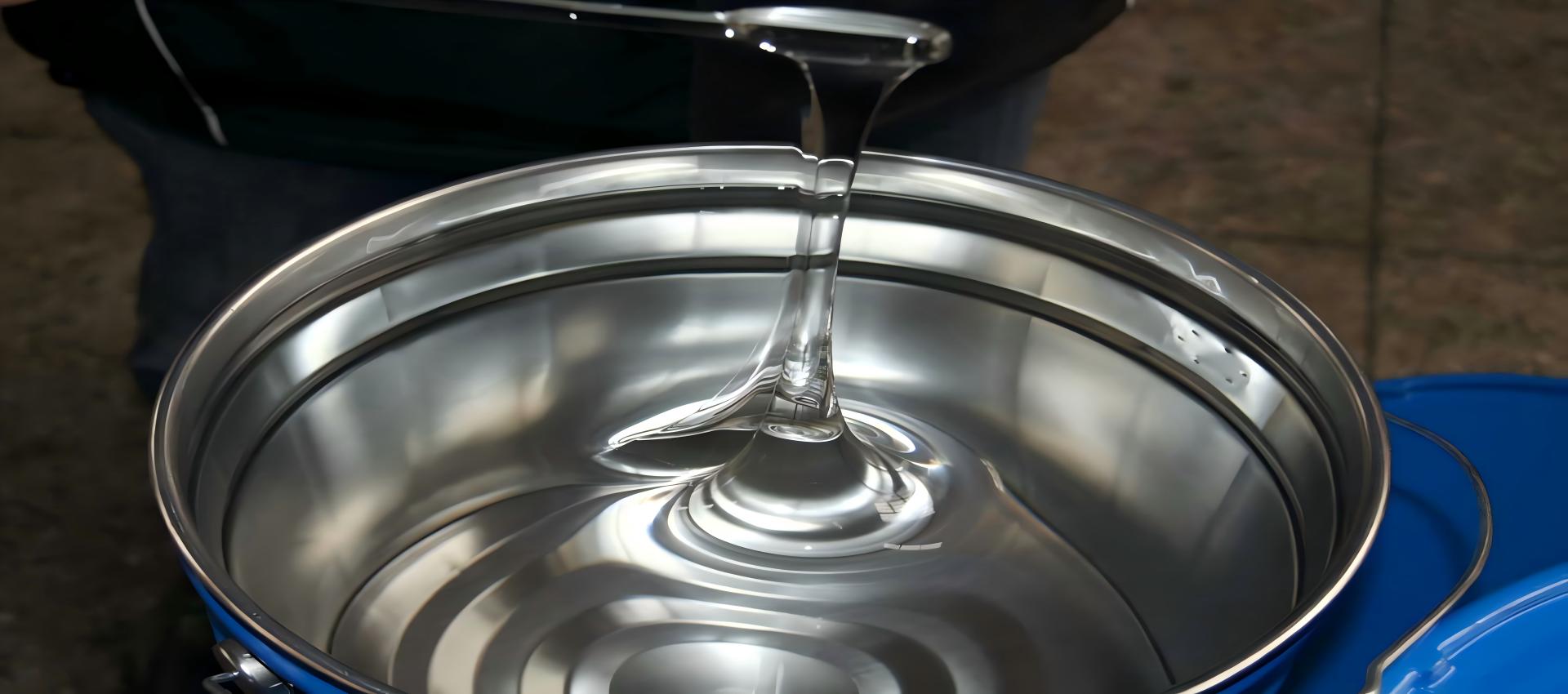
Its general molecular formula is simplified as [(CH₃)₃SiO₁/₂]ₐ[SiO₄/₂]ᵦ, with molecular weight ranging commonly from 1,000 to 8,000. It generally appears as white powder, granules or solvent-dissolved liquid. Its overall performance is precisely governed by the M/Q molar ratio.
To put it simply: Q units build the rigid backbone, while outer M units modulate flexibility, forming a unique spherical three-dimensional architecture. Completely different from conventional linear silicone oil, it balances rigidity and flexibility simultaneously.
Mainstream Preparation Technology
The prevailing production route adopts sodium silicate, tetraethyl orthosilicate (TEOS), hexamethyldisiloxane (HMDSO) and other basic feedstocks via acid-catalyzed hydrolysis and polycondensation:
Raw material hydrolysis: Q-source siloxane/sodium silicate undergoes hydrolysis under acidic conditions to generate silanol intermediates.
Copolycondensation: Condensation reaction proceeds with M-source end-capping agent (e.g., hexamethyldisiloxane) to construct the MQ three-dimensional network structure.
Purification and post-treatment: Neutralization, water washing, solvent stripping and drying are carried out to obtain powder or solvent-based finished products. Product performance can be accurately tailored by adjusting the M/Q ratio.
Strict control of pH value, reaction temperature and holding time is required throughout the whole process to guarantee uniform molecular structure and minimize residual impurities.
Chemical Resistance Properties of SILICONE RESIN in Fuel Cell Applications
Silicone resin has emerged as a critical material for fuel cell technologies, where chemical resistance properties directly impact system performance, durability, and safety. As fuel cells operate in highly demanding environments, the silicone resin used must meet specific chem.
Silicone resin has emerged as a critical material in advanced battery manufacturing, particularly for casings that require robust protection against electrolyte corrosion. This specialized polymer combines unique molecular stability with exceptional resistance to chemical degradation, making it increasingly valuable in industries ranging from electric ve.
How Silicone Resin Revolutionizes Smart Coatings with Intelligent Functions
In the rapidly evolving field of advanced materials, silicone resin has emerged as a game-changer for smart coatings. By combining exceptional chemical stability with adaptable functionalities, silicone-based formulations are redefining performance standards in industries rangi.
Silicone Resin Adhesives: Versatile Bonding Solutions for Modern Applications
Silicone resin adhesives have emerged as a cornerstone in industrial and commercial bonding technologies due to their exceptional versatility, durability, and adaptability. These adhesives are engineered to overcome challenges in diverse environments, making them indispensabl.
In the highly demanding and technologically advanced automotive industry, the selection of materials plays a decisive role in determining the performance, durability, and safety of automotive components. From engine systems and electrical units to interior and exterior parts, automotive manufacturers require materials that can withstand extreme temperature.
Silicone Resin Specific Gravity and Its Critical Role in Industrial Applications
Understanding Specific Gravity in Industrial Materials
Specific gravityis a fundamental physical property that represents the ratio of a substance’s density to the density of a reference material, typically water at 4°C. This dimensionless measurement provides cruc.
Achieving and maintaining a flawless, high-gloss finish on silicone resin products is critical for industries ranging from automotive coatings to luxury consumer goods. Silicone resin’s natural resistance to heat and chemicals makes it a top choice, but its gloss retention depends on smart material choices, proper handling, and proactive maintenance. Here’.
Understanding Silicone Resin Shelf Life: Storage Guidelines and Post-Expiration Use
Silicone resin is a critical material in industries ranging from electronics and automotive to construction and coatings. Its performance hinges on proper storage and adherence to shelf life recommendations. For manufacturers and suppliers like Biyuan, a leading silicone.
Purity Standards and Industrial Applications of High-Purity Silicone Resin
Understanding Silicone Resin Purity Grades
Silicone resin represents a critical class of synthetic polymers characterized by a backbone of alternating silicon and oxygen atoms with organic side groups. The purity standard of high-purity silicone resin is primarily determined.
What Makes Silicone Resin the Superior Choice Over Traditional Resins?
In the realm of industrial and consumer materials, silicone resin has emerged as a standout performer, outpacing ordinary resins in critical applications. But what exactly sets it apart? Let’s dive into the unique properties that make silicone resin a game-changer, supported by s.
The Critical Challenge of Vibration in Aero-Engines
Modern aero-engines operate in extreme conditions where high-frequency vibrations pose a significant threat to component integrity and performance. These vibrations, generated by turbine rotation, combustion dynamics, and airflow disturbances, can reach frequencies that challenge even advanced engineer.
Fluorosilicone Resin vs. Ordinary Silicone Resin: Which Offers Superior Chemical Resistance?
When selecting materials for industrial applications, chemical resistance is a critical factor. Two popular options—fluorosilicone resin and ordinary silicone resin—often dominate discussions. But how do they stack up in harsh environments? Let’s break down .
How Conductive Silicone Resin Achieves Conductive Functions
Introduction to Conductive Silicone Resin
Silicone resin has long been valued for its flexibility, heat resistance, and chemical stability, traditionally serving as an effective electrical insulator in various applications. However, through advanced material engineering, manufacturers like B.
How Thermal Expansion Differences Between Silicone Resin and Metal Impact Coating Performance
Understanding the Critical Relationship in Industrial Applications
In protective coating applications, the thermal expansion coefficient difference between silicone resin and metal substrates represents a critical performance factor that engineers must addre.
Understanding UV-Curable Silicone Resin Curing Times: Key Factors and Applications
UV-curable silicone resin has revolutionized industries requiring rapid bonding and high-performance materials. Unlike traditional curing methods, UV curing offers speed and precision, but the exact timelines depend on multiple variables. Here’s a detailed breakdown of w.
In high-performance material science, where extremes of temperature, harsh environments, and long-term durability define application success, the selection of a structural binder determines whether a system will merely function or truly excel. For engineers and formulators working in aerospace, electronics, energy, and industrial manufacturing, the choice .
Enhanced Performance of Modified Silicone Resins: Key Innovations and Applications
The evolution of silicone resins has revolutionized industrial material science, with epoxy-modified variants leading the charge in delivering unparalleled performance. These advanced materials combine the inherent strengths of silicone—such as thermal stability and weat.
In today’s fast-paced electronics industry, the demand for high-performance insulation materials has never been greater. As electronic devices become smaller, more powerful, and more complex, insulation materials must meet increasingly stringent requirements for thermal management, electrical performance, reliability, and environmental sustainability.
Understanding the Challenge of Cured Silicone Resin Removal
Silicone resin presents unique removal challenges once fully cured. Unlike conventional resins, silicone-based formulations create exceptionally durable, heat-resistant bonds that adhere strongly to various substrates. In industrial settings, the improper removal of cured silicone resin can lea.
How Anti-Graffiti Silicone Resin Coatings Achieve Easy-to-Clean Functions
In an era where urban maintenance costs continue to rise and vandalism poses significant challenges to public and private properties, anti-graffiti silicone resin coatings have emerged as a technologically advanced solution. These specialized coatings combine unique chemical pr.
Silicone Resin Solutions for Advanced Metal Protection
Introduction to Silicone Resin Technology in Metal Coatings
Silicone resins have emerged as transformative materialsin the realm of metal protection, offering unparalleled advantages in corrosion resistance and adhesion enhancement. These unique polymers combine an inorganic silicon-oxygen backbo.
Many people recognize the outstanding performance of silicone resins, yet few understand that the core factors governing their hardness, thermal resistance, curing speed and aging resistance lie in the microstructure of their internal siloxane backbone.
High-field ²⁹Si NMR (Nuclear Magnetic Resonance) serves as the “golden key” to decode the.
Self-Healing Silicone Resin Coatings: A Revolutionary Solution for Infrastructure Maintenance
Introduction: The New Era of Protective Coatings
In the realm of infrastructure protection, a remarkable innovation is transforming how we approach maintenance and durability: self-healing silicone resin coatings. These advanced materials represent a signifi.
Silicone Resin Adhesives: The Secret Weapon for Bonding in Harsh Conditions
In industries where equipment and structures face relentless exposure to extreme temperatures, chemical corrosion, moisture, or UV radiation, traditional adhesives often fall short. Enter silicone resin adhesives—a versatile, high-performance solution engineered to maintain bond.
In the evolving landscape of industrial design, the demand for materials that combine visual appeal with robust performance has never been higher. High-gloss silicone resin coatings have emerged as a transformative solution, meeting these dual requirements through advanced chemical formulations that offer exceptional durability alongside aesthetic excellen.
Silicone Resin in Cosmetics: Enhancing Performance While Ensuring Skin Safety
The cosmetics industry continuously evolves through material science innovations, with silicone resins emerging as critical components in modern formulations. These advanced polymers balance exceptional performance characteristics with impressive skin compatibility, making t.
Introduction to Silicone Resin Technology in Wood Preservation
The utilization of silicone resins in wood protection represents a significant advancement in materials science, offering unprecedented durability for outdoor wooden structures. These sophisticated polymers create a protective barrier that shields wood from environmental degradation while ma.
Silicone resins occupy a vital position as raw materials or auxiliary materials for new-type materials. At present, surging market demand for lithium-ion battery materials including high-nickel ternary cathode materials and lithium iron phosphate cathode materials in cutting-edge markets has driven up the demand for upstream chemical raw materials.
Mark.
When talking about organosilicon materials, most people think of silicone sealing gaskets and silicone kitchenware. Nevertheless, methyl MQ silicone resin, another core organosilicon raw material, underpins numerous industries including pressure-sensitive adhesives, high-end coatings, electronic materials and cosmetic ingredients. Featuring distinctive mol.
Silicone Resin: The Invisible Workhorse Powering Modern Industrial Innovation
In today’s fast-paced industrial landscape, materials that balance durability, adaptability, and performance are rare gems. Enter silicone resin—a synthetic polymer with a unique molecular structure that makes it indispensable across sectors ranging from electronics to health.
The silicone resin industry is undergoing a transformative shift as sustainability becomes a central focus in material science. Driven by stringent environmental regulations, consumer demand for eco-friendly products, and technological advancements, bio-based and renewable silicone resins are emerging as pivotal solutions for a greener future. This evoluti.
Introduction and Executive Summary
Low-phenyl silicone resin represents a specialized class of high-performance materials engineered specifically for demanding low-temperature environments. Characterized by phenyl content ranging from 5-10% (atomic ratio of phenyl group to silicon), this advanced material exhibits exceptional flexibility and elasticity .
Silicone Resin: The Hidden Engine Behind Next-Generation Wind Turbine Blades
The global push for renewable energy has placed wind power at the forefront of sustainable infrastructure development. As wind turbine manufacturers strive to maximize energy output and longevity, a critical materials revolution is quietly underway, centered on an advanced poly.
Silicone Resin: Revolutionizing Modern Jewelry with Strength and Style
The Rise of Silicone Resin in Jewelry Design
The global jewelry landscape is undergoing a quiet transformation, with silicone resin emerging as a revolutionary material that seamlessly blends durabilitywith artistic expression. Unlike traditional jewelry materials that often prior.
I. Background: “Value Re evaluation” of Silicone Resin and Necessity for Recycling
Featuring excellent high-temperature resistance, corrosion resistance and outstanding insulating properties, silicone resin has become a core material for electronics, automotive, aerospace, new-energy and other sectors, and is widely used in high-end manufact.
Recently, the National Intellectual Property Administration of China has granted a patent entitled A Light-Moisture Dual-Curable Silicone Resin as well as Its Synthesis Method and Application. Publication No.: CN122427380A Application No.: CN202610903590.1 Publication Date: July 21, 2026 Filing Date: June 23, 2026 Inventors: Li Wanli, Wang Qingfu, Pan Sine.
Silicone Resin in Automotive Components: Enhancing Performance and Longevity
Introduction
The automotive industry is increasingly relying on advanced materials to meet the demanding requirements of modern vehicles, particularly with the rapid shift toward electric propulsion and advanced driver-assistance systems. Among these materials, silicone.
Methyl vs. Phenyl Silicone Resin: A Technical Guide for Industrial Material Selection
In the world of high-performance industrial materials, silicone resins stand out for their exceptional thermal stability, electrical properties, and environmental resistance. Among these, methyl and phenyl silicone resins represent two of the most technologically signi.
Silicone Resins in Food-Contact Applications: Safety, Compliance, and Manufacturing Insights
Introduction: The Critical Role of Silicone Resins in Modern Food Contact Materials
Silicone resins have become indispensable materials in the manufacturing of food-contact products due to their exceptional thermal stability, durability, and flexibility. Thes.
The Growing Role of UV-Curable Silicone Resins in Eco-Friendly Coating Innovations
As global demand for sustainable materials surges, industries are rethinking traditional coating systems to reduce environmental impact without compromising performance. Enter UV-curable silicone resins—a game-changer in the shift toward greener solutions. These advanced.
Silicone resins transform release agent technology through their exceptional thermal stability and non-stick properties. These high-performance materials create durable, cross-linked release layers that prevent adhesion in demanding molding and casting applications.
The resins withstand temperatures exceeding 300°C while maintaining consistent release p.
Silicone resins deliver breakthrough performance in coating applications through their exceptional weather resistance and thermal stability. These advanced materials form durable, protective networks that maintain integrity under extreme environmental conditions, including prolonged UV exposure and temperatures ranging from -50°C to 300°C.
Meeting inter.
Silicone resins significantly enhance plastic and rubber products through their unique cross-linking capabilities and surface modification properties. These high-performance additives improve thermal stability, weather resistance, and processing characteristics across various polymer systems.
Meeting international industry standards, silicone resins off.
Silicone resins deliver exceptional thermal stability (up to 400°C) and mechanical strength to composite materials. These high-performance resins improve processing efficiency while enhancing electrical insulation and flame retardancy.
Compatible with organic and inorganic fillers, they ensure uniform distribution and strong interfacial adhesion. The re.
Contact Us
We're here to help with any questions or inquiries you may have
Contact Information
Address
No. 116, Jiangdong Street, Yiwu City, Jinhua City, Zhejiang Province,China