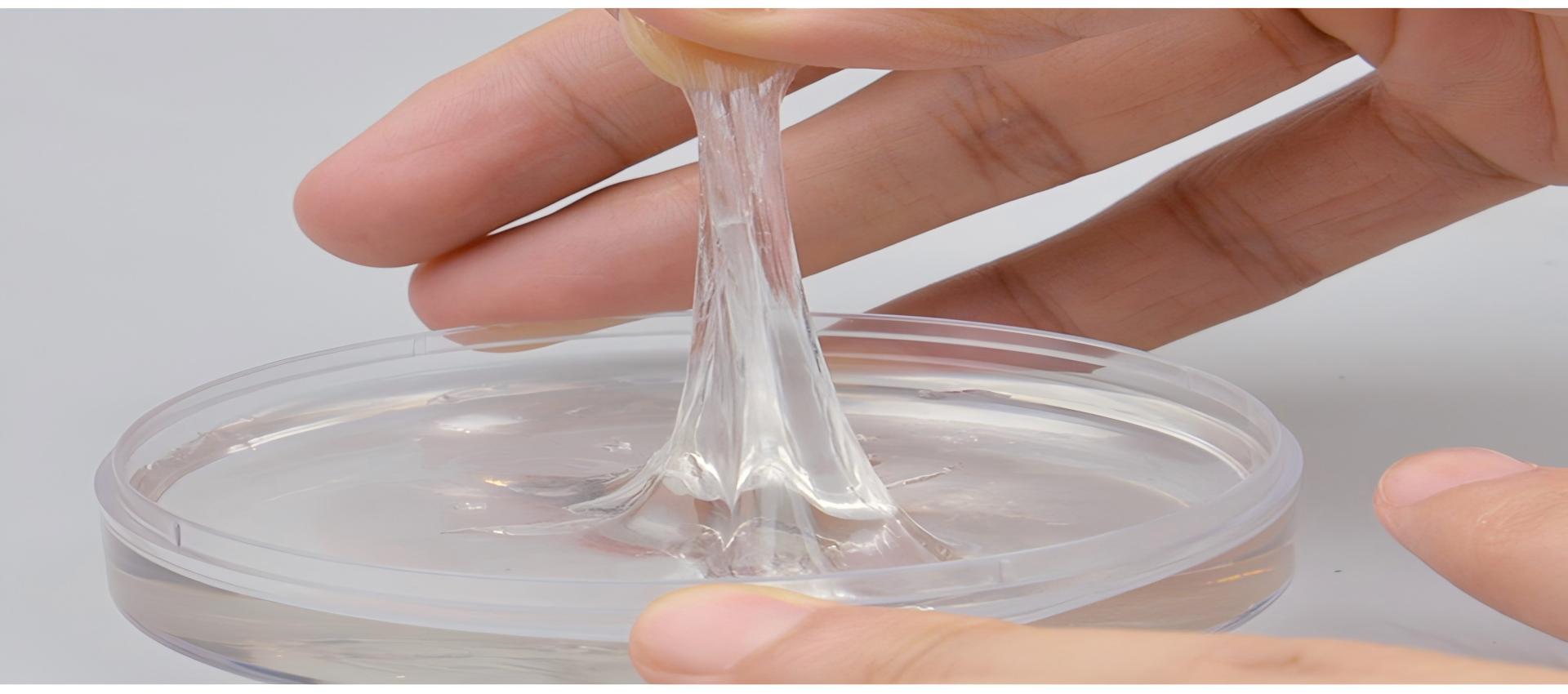
Spherical Silicone Resin | A Shining Star in Light Diffusion - Silicone Resin Factory&supplier
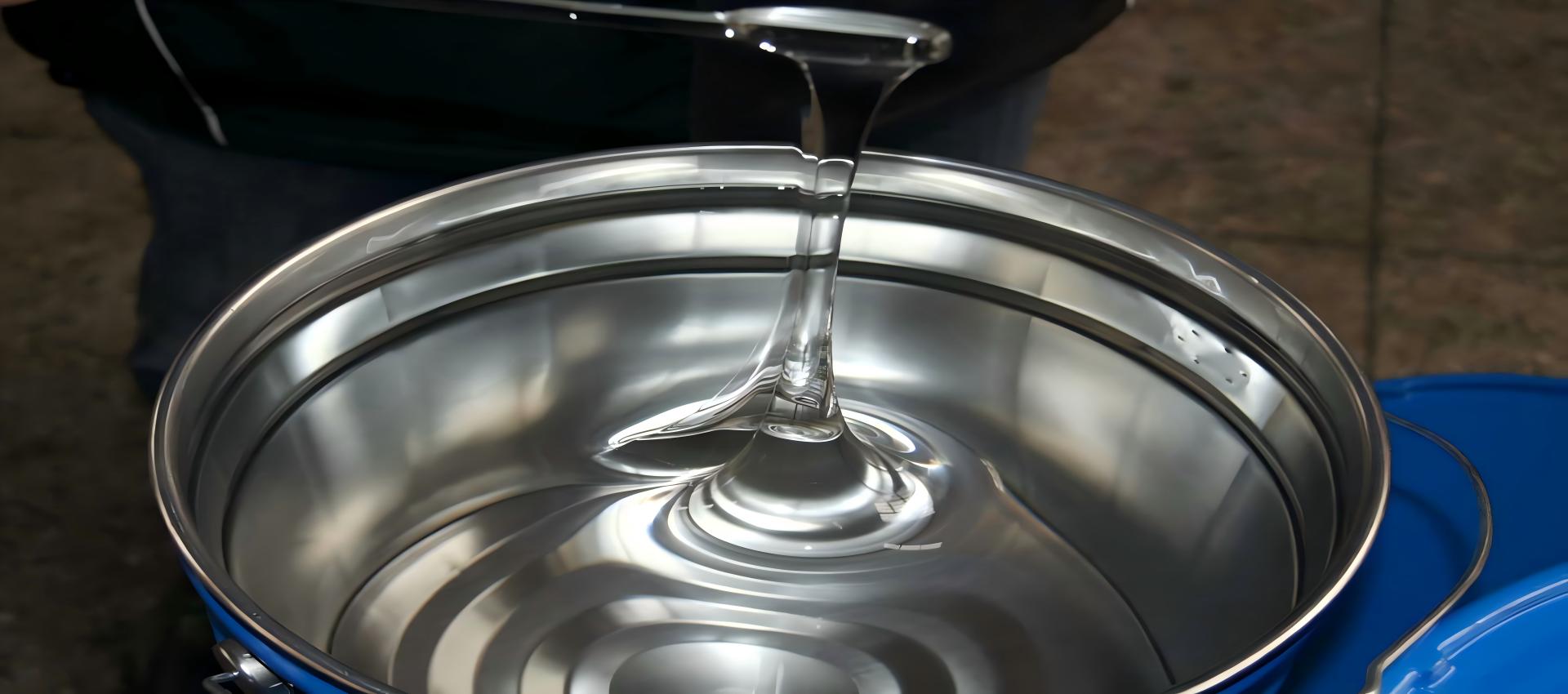
Silicone Resin
Everything you need to know about our products and company
Driven by the pursuit of higher uniformity, superior heat resistance and longer service life for LED lighting, display backlights, automotive optics and high-end soft-light materials, spherical silicone resin (polymethylsilsesquioxane microspheres, PMSQ) has emerged as a core high-performance light diffusion material. Featuring a regular spherical structure, tunable refractive index and outstanding thermal and UV resistance, it is gradually replacing conventional PMMA microspheres and inorganic powders and gaining rapid traction in the optical sector.
Spherical silicone resin is an organic-inorganic hybrid silicone resin powder with an insoluble and infusible three-dimensional crosslinked structure. Benefiting from the stable refractive index difference between microspheres and transparent substrates such as PC, PMMA and PS, light undergoes multiple uniform refraction and scattering when passing through the material, converting harsh point light sources into soft and even surface light sources. With high sphericity and narrow particle size distribution, it achieves an excellent balance between high transmittance and high haze, and avoids common drawbacks of ordinary diffusion powders including heavy light loss, uneven light spots and local glare. It is the preferred diffusion additive for high-end optical formulations.
Compared with traditional light diffusion materials, spherical silicone resin boasts distinct advantages. Its standout merit is thermal stability: it withstands processing temperatures above 220°C, compatible with high-temperature extrusion and injection molding of PC. It resists yellowing and decomposition under heat, meeting long-term service requirements for high-power LEDs, automotive headlamps and outdoor lighting. It also delivers excellent UV aging resistance and resists chalking and discoloration under prolonged light exposure, suitable for outdoor lamps and backlight modules. By contrast, PMMA microspheres have a low heat resistance threshold and tend to age and yellow at high temperatures; inorganic powders often trigger sharp transmittance reduction and impair substrate toughness, limiting their performance in premium optical applications.
From an industry perspective, expanding sectors including Mini LED, smart automotive lighting, high-power outdoor lamps and flexible displays push optical materials toward stricter standards for heat resistance, weatherability, low VOC and low bleed-out. Traditional diffusion materials can hardly satisfy high-end optical specifications, opening up growing market space for spherical silicone resin. Customized development is also a key trend. Refractive index can be adjusted via particle size classification and phenyl modification to fit different substrates and optical designs, enabling grades tailored for high-transmittance, high-haze and ultra-thin optical films.
In the medium and long term, spherical silicone resin will keep benefiting from the upgrade of lighting and display industries. Supported by stable optical performance and remarkable heat and weather resistance, it will further penetrate the high-end light diffusion market. Together with cross-sector adoption in optics, plastics and coatings, it is poised to become a high-growth star product within the silicone powder segment and empower the high-quality development of China’s optical material supply chain.
Our most popular products loved by customers worldwide
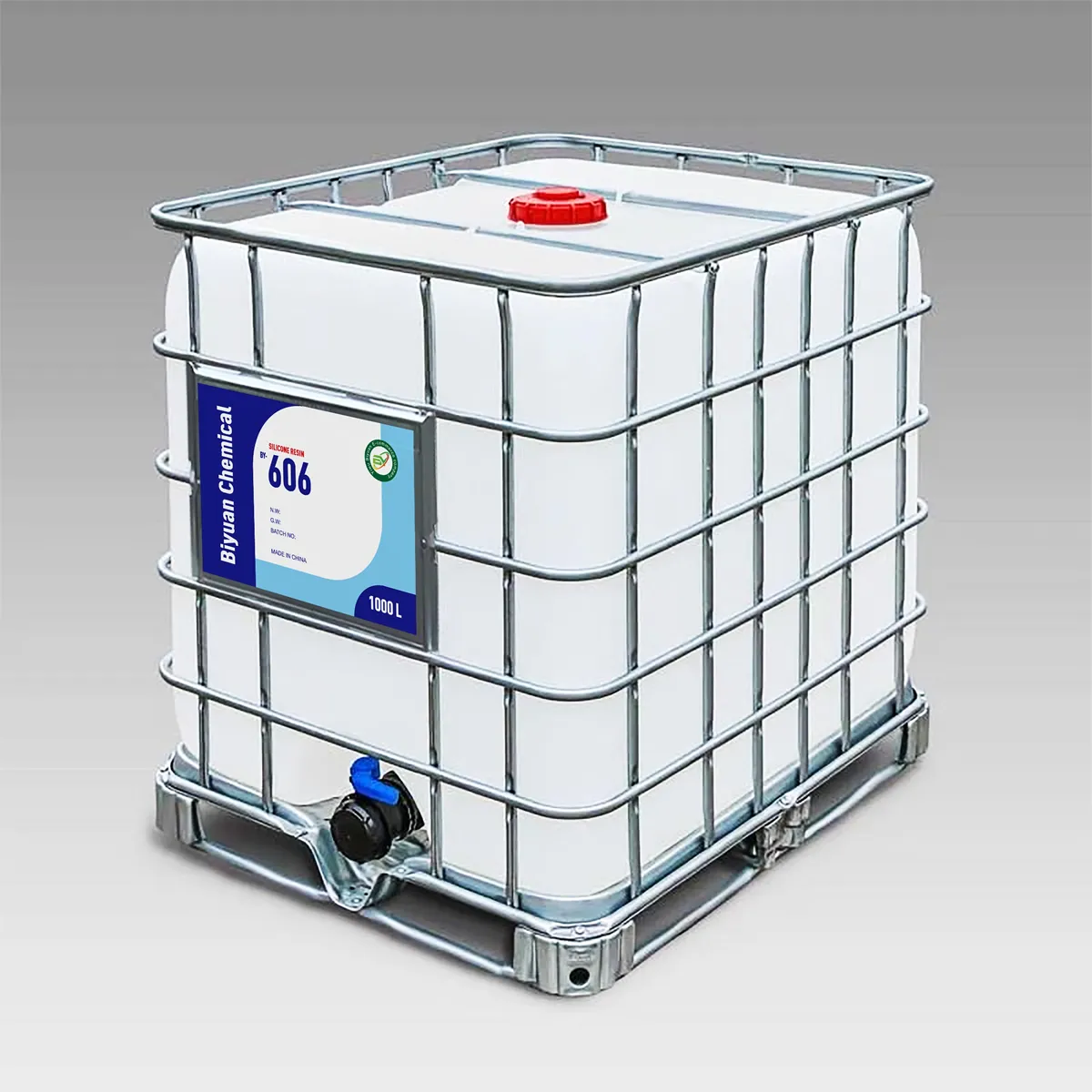
Silicone resins transform release agent technology through their exceptional thermal stability and non-stick properties. These high-performance materials create durable, cross-linked release layers that prevent adhesion in demanding molding and casting applications. The resins withstand temperatures exceeding 300°C while maintaining consistent release p.
Silicone resins deliver breakthrough performance in coating applications through their exceptional weather resistance and thermal stability. These advanced materials form durable, protective networks that maintain integrity under extreme environmental conditions, including prolonged UV exposure and temperatures ranging from -50°C to 300°C. Meeting inter.
Silicone resins significantly enhance plastic and rubber products through their unique cross-linking capabilities and surface modification properties. These high-performance additives improve thermal stability, weather resistance, and processing characteristics across various polymer systems. Meeting international industry standards, silicone resins off.
Silicone resins deliver exceptional thermal stability (up to 400°C) and mechanical strength to composite materials. These high-performance resins improve processing efficiency while enhancing electrical insulation and flame retardancy. Compatible with organic and inorganic fillers, they ensure uniform distribution and strong interfacial adhesion. The re.