Upgrading Wave of Phenyl-Based Silicone Resins: Industry Shifts from General Methyl Silicone to Customized Phenyl Formulations as a Mainstream Solution for High-End Encapsulation - Silicone Resin Factory&supplier

Silicone Resin
Everything you need to know about our products and company
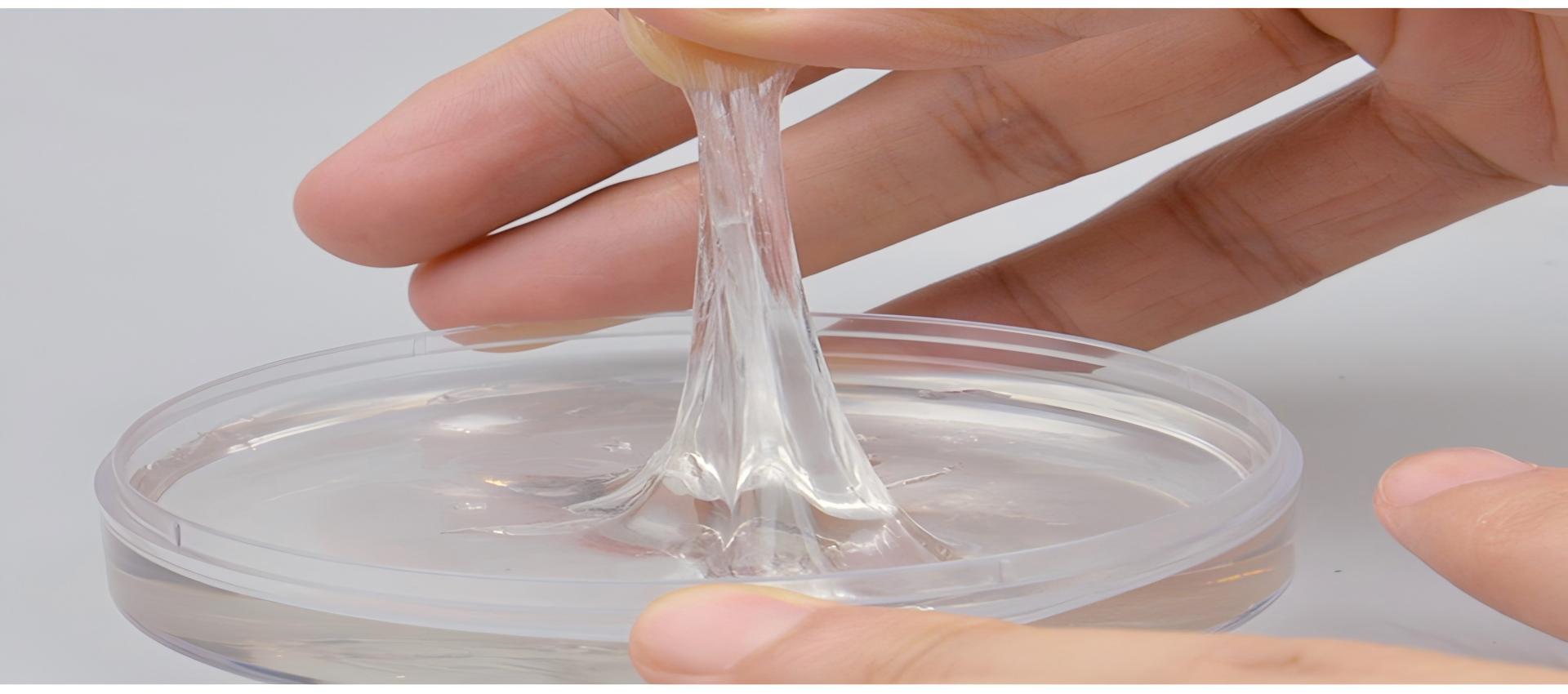
Driven by rising demands for reliability and optical performance of encapsulation materials in optoelectronics, semiconductors and new energy power devices, the domestic silicone resin sector is undergoing structural transformation. The industry is rapidly shifting from conventional general-purpose methyl silicone resins toward customizable phenyl silicone resin solutions. Phenyl monomers can deliver a refractive index above 1.50 and offer inherent advantages in refractive index matching, thermal stability and thermal-oxidative ageing resistance, making them one of the core upgrade routes for high-end optical and electronic encapsulation materials.
Conventional methyl silicone resins generally feature a refractive index ranging from 1.40 to 1.43. In high-power LED, Mini/Micro LED, laser devices and automotive optical encapsulation scenarios, the large refractive index mismatch with chips easily triggers total internal reflection and limits light extraction efficiency. Moreover, they tend to yellow and suffer transmittance loss under prolonged high-temperature and short-wave light irradiation, failing to meet the stringent reliability requirements for long-lifetime, high-brightness optoelectronic devices.
Phenyl-modified silicone resins achieve molecular-level performance reconstruction by introducing phenyl groups into the siloxane backbone. Benefiting from the high molar refraction of phenyl groups, the refractive index can be stably raised above 1.50. Gradient refractive index customization is available via precise adjustment of phenyl content, narrowing the refractive index gap at the interface between encapsulant and chip and effectively improving light extraction efficiency. Meanwhile, the phenyl backbone delivers superior thermal-oxidative stability, greatly suppressing yellowing and transmittance degradation under long-term thermal ageing, suitable for continuous high-temperature conditions such as high-power, high-heat-dissipation and automotive optoelectronic applications.
Different from mass production of standardized methyl silicone resins, phenyl systems are developed on a customized basis. Manufacturers can adjust phenyl molar ratio, functional group type and crosslink density according to downstream requirements on optical parameters, hardness, modulus, coefficient of thermal expansion, adhesion and thermal shock resistance. Formulations can be designed with reactive groups such as vinyl and hydrogen groups to fit addition-curable, condensation-curable and other curing systems, balancing optical clarity and mechanical reliability.
In downstream applications, high-refractive-index phenyl silicone resins have been adopted in multiple high-value markets: Mini/Micro LED backlight and direct-display encapsulation, automotive headlamps and display light sources, UV/blue laser devices, optical communication coupling components, and optical potting for new energy power modules. Compared with traditional epoxy encapsulants, phenyl silicone resins feature low stress, low yellowing and a wider operating temperature range. Against general methyl silicone resins, they stand out in optical matching and long-term ageing performance.
In parallel, overseas compliance requirements are pushing refined process control for phenyl resins. Leading manufacturers control low-molecular cyclic siloxane impurities including D4/D5/D6, volatile content and ionic levels. While achieving high refractive index, heat resistance and anti-ageing performance, the products comply with EU REACH, Ecolabel and other export regulations, supporting the global expansion of domestic optoelectronic encapsulation materials.
Industry analysts note that phenyl silicone resins were previously constrained by high formulation barriers, challenging batch stability control and long custom development cycles, and relied heavily on imported materials. Breakthroughs in domestic synthesis, molecular design and purification technologies have rapidly matured localized customization capabilities, breaking the long-standing import dependence for high-end optical encapsulation materials.
Going forward, competition for encapsulation materials extends beyond basic heat resistance and insulation metrics, shifting toward integrated solutions featuring precise refractive index matching, low yellowing, low migration, low impurities and customizability. The iterative upgrade of phenyl silicone resin systems is an inevitable trend amid the high-end development of the optoelectronics industry, as well as a key enabler for domestic silicone material enterprises to enter the global high-end optical encapsulation supply chain.
Our most popular products loved by customers worldwide
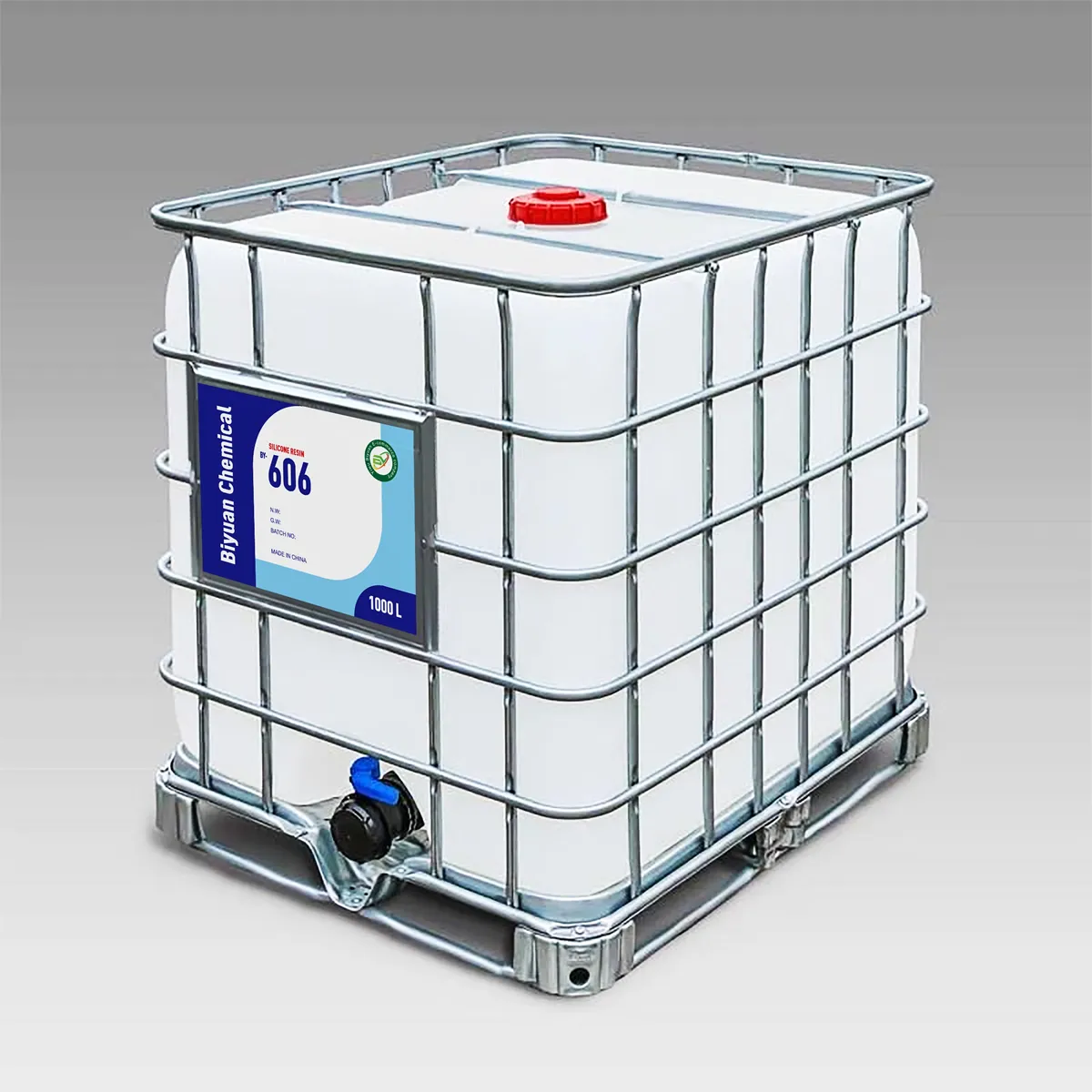
Silicone resins transform release agent technology through their exceptional thermal stability and non-stick properties. These high-performance materials create durable, cross-linked release layers that prevent adhesion in demanding molding and casting applications. The resins withstand temperatures exceeding 300°C while maintaining consistent release p.
Silicone resins deliver breakthrough performance in coating applications through their exceptional weather resistance and thermal stability. These advanced materials form durable, protective networks that maintain integrity under extreme environmental conditions, including prolonged UV exposure and temperatures ranging from -50°C to 300°C. Meeting inter.
Silicone resins significantly enhance plastic and rubber products through their unique cross-linking capabilities and surface modification properties. These high-performance additives improve thermal stability, weather resistance, and processing characteristics across various polymer systems. Meeting international industry standards, silicone resins off.
Silicone resins deliver exceptional thermal stability (up to 400°C) and mechanical strength to composite materials. These high-performance resins improve processing efficiency while enhancing electrical insulation and flame retardancy. Compatible with organic and inorganic fillers, they ensure uniform distribution and strong interfacial adhesion. The re.