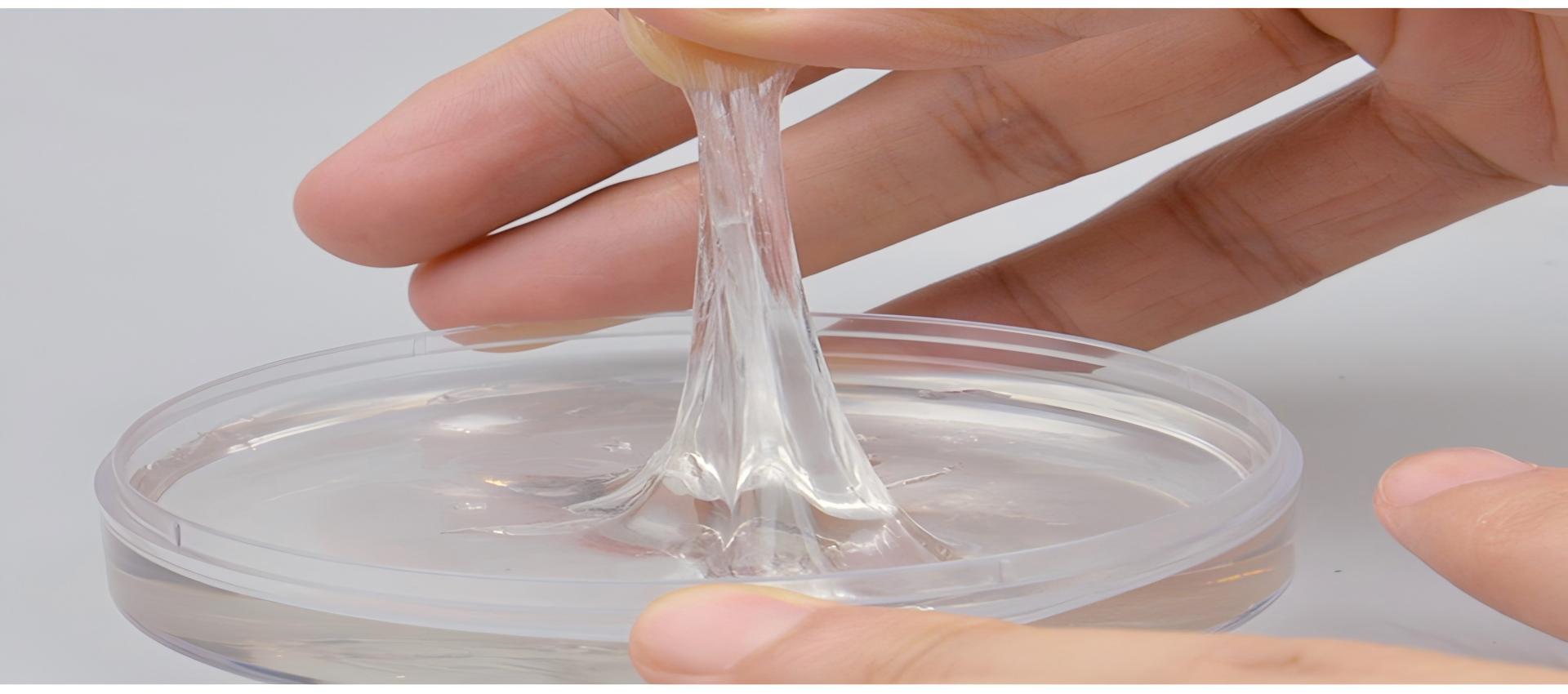
Silicone Chemically Grafted Epoxy Resin: Meeting High-Temperature and Insulation Demand with “Strength and Flexibility in Balance” - Silicone Resin Factory&supplier
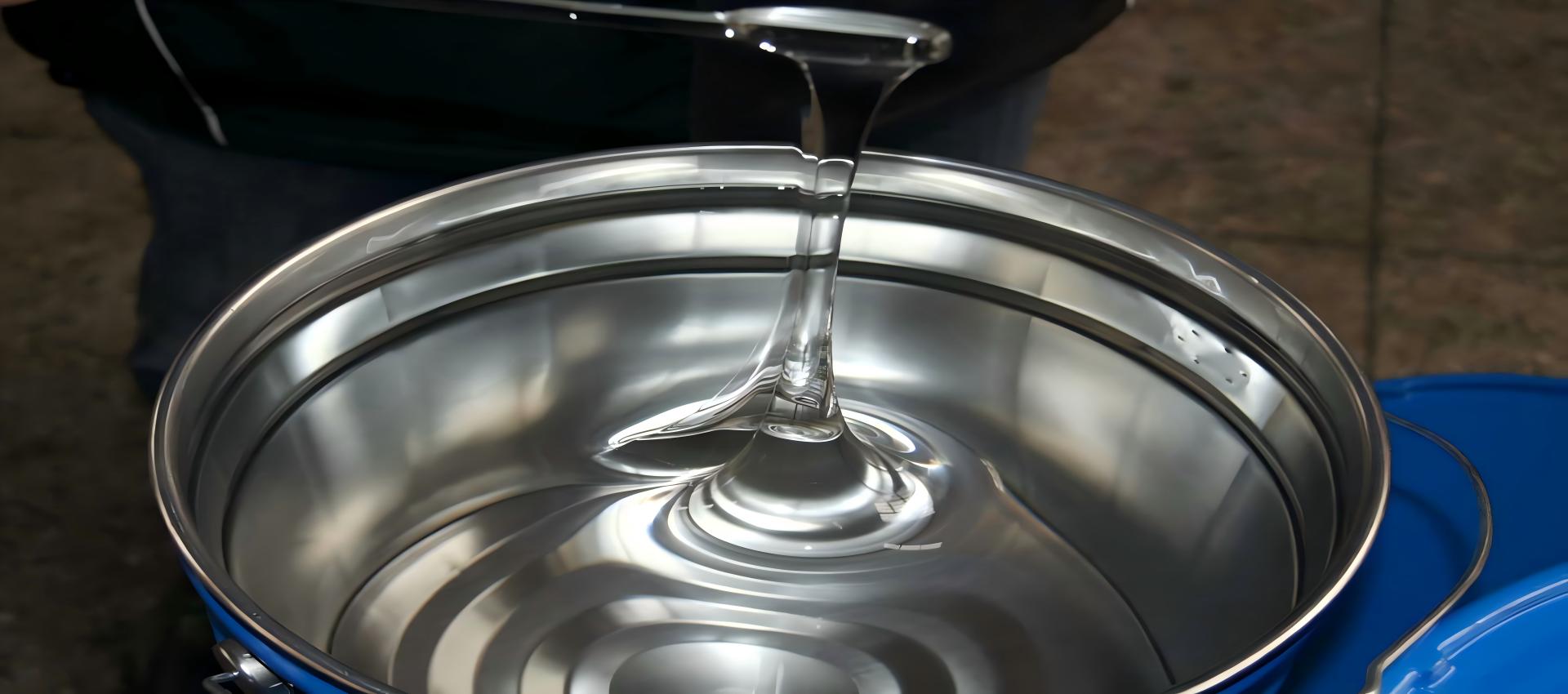
Silicone Resin
Everything you need to know about our products and company
Silicone-modified epoxy resin is not a simple physical blend of silicone and epoxy. Rather, a polysiloxane bearing active groups undergoes condensation with epoxy molecules, chemically grafting into the epoxy network to form a composite that combines epoxy’s high strength and strong adhesion with silicone’s heat resistance, flexibility and low water absorption, achieving simultaneous improvement in high-temperature performance, flexibility and electrical insulation.
Pure cured epoxy resin has a dense crosslinked network and strong adhesion, but the cured material is brittle, limited in heat and weather resistance, and carries high internal stress. The key to silicone modification lies in enabling a polysiloxane with active groups such as alkoxy, hydroxyl or amino groups to undergo dealcoholization, dehydration and other condensation reactions with the epoxy’s secondary hydroxyls and epoxy groups, “anchoring” the siloxane segments into the epoxy backbone by chemical bonds. The high-bond-energy —Si—O—Si— main chain and flexible siloxane segments are introduced into the crosslinked structure, forming a uniform network that blends rigidity and flexibility and avoiding the phase separation and time-dependent performance drift seen in physical blends.
Meanwhile, the modified system retains epoxy’s excellent adhesive strength, mechanical strength and processability, and can be formulation-tuned to suit different curing systems.
Silicone-modified epoxy resin can be used in Class H motor and transformer coil impregnating varnish, cable-joint and electronic-component protective coatings, electronic and electrical encapsulation materials, heat-resistant anti-corrosion and weather-resistant coatings, and can be laminated with glass cloth and similar reinforcements. It serves new energy, 5G communications, electrical power and appliances, aerospace and industrial anti-corrosion — fields with high demands on heat resistance, insulation and reliability.
Our most popular products loved by customers worldwide
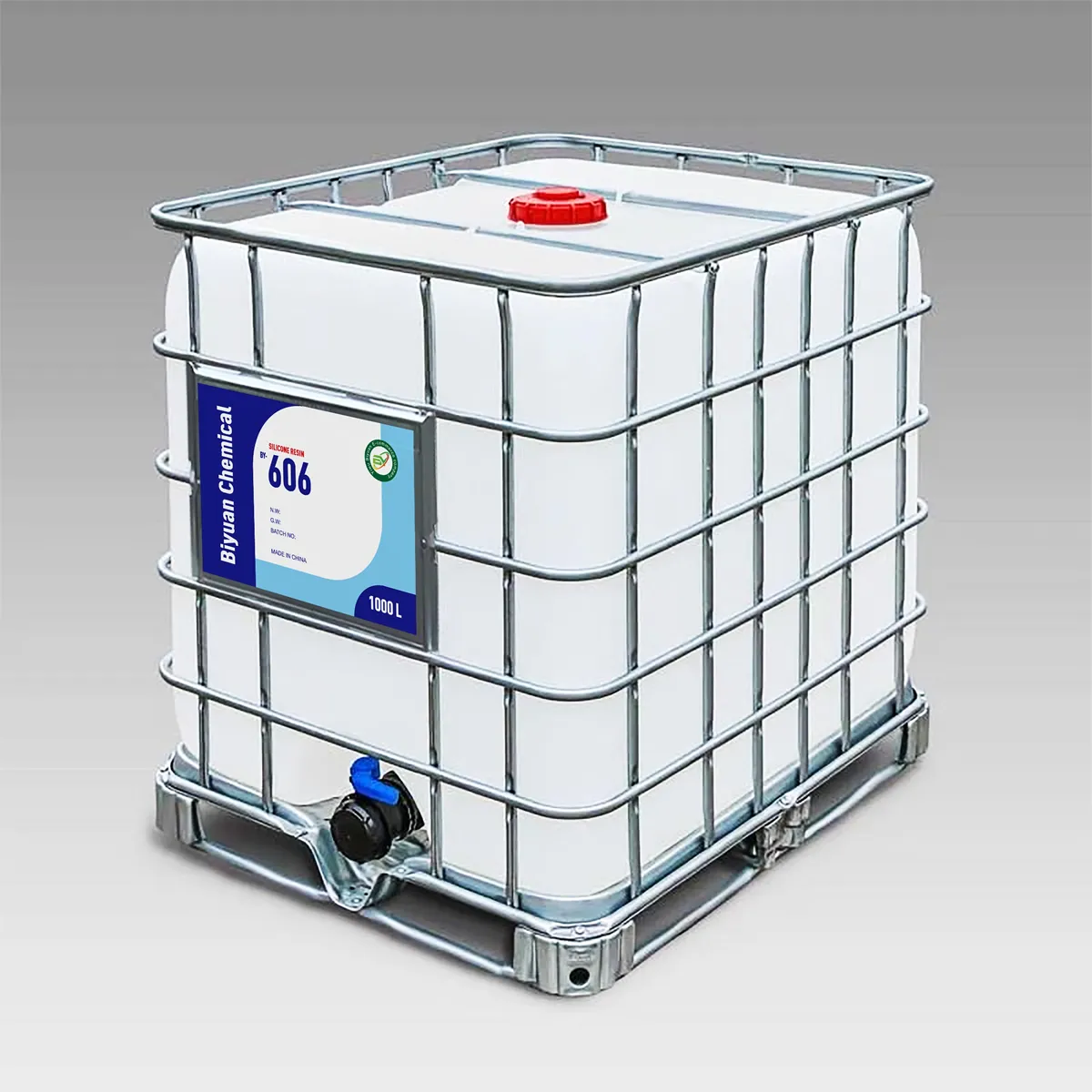
Silicone resins transform release agent technology through their exceptional thermal stability and non-stick properties. These high-performance materials create durable, cross-linked release layers that prevent adhesion in demanding molding and casting applications. The resins withstand temperatures exceeding 300°C while maintaining consistent release p.
Silicone resins deliver breakthrough performance in coating applications through their exceptional weather resistance and thermal stability. These advanced materials form durable, protective networks that maintain integrity under extreme environmental conditions, including prolonged UV exposure and temperatures ranging from -50°C to 300°C. Meeting inter.
Silicone resins significantly enhance plastic and rubber products through their unique cross-linking capabilities and surface modification properties. These high-performance additives improve thermal stability, weather resistance, and processing characteristics across various polymer systems. Meeting international industry standards, silicone resins off.
Silicone resins deliver exceptional thermal stability (up to 400°C) and mechanical strength to composite materials. These high-performance resins improve processing efficiency while enhancing electrical insulation and flame retardancy. Compatible with organic and inorganic fillers, they ensure uniform distribution and strong interfacial adhesion. The re.